Online Reporter
Lovemore Kadzura
Post Reporter
IN the past, news of a chief’s death was never rushed — it arrived cloaked in ritual.
By the time villagers heard, the burial was often complete, attended only by a handful of close male relatives.
A trusted elder, usually a messenger, would set off on foot, moving from homestead to homestead with the announcement, sometimes weeks after the burial. Only then would the drums sound and the traditional court convene.
The message itself was wrapped in metaphor, designed to soften the blow: “The great tree has fallen,” the elder would say, letting the words settle slowly.
Today, that sacred secrecy has given way to instant notification.
News of a chief’s passing can flash across a smartphone screen before the royal family has even gathered.
What was once ritual has become a race — between social media users and mainstream outlets eager to break the story first.
Traditional leaders remain more than community figureheads. They are custodians of culture, land, and identity, presiding over rural populations and upholding traditions across generations.
Their deaths have historically triggered carefully choreographed processes — consultations with spirit mediums, family verification, and formal State communication.
Yet the question lingers: can such tradition withstand an age where every smartphone user is a broadcaster, and where speed often eclipses ceremony?
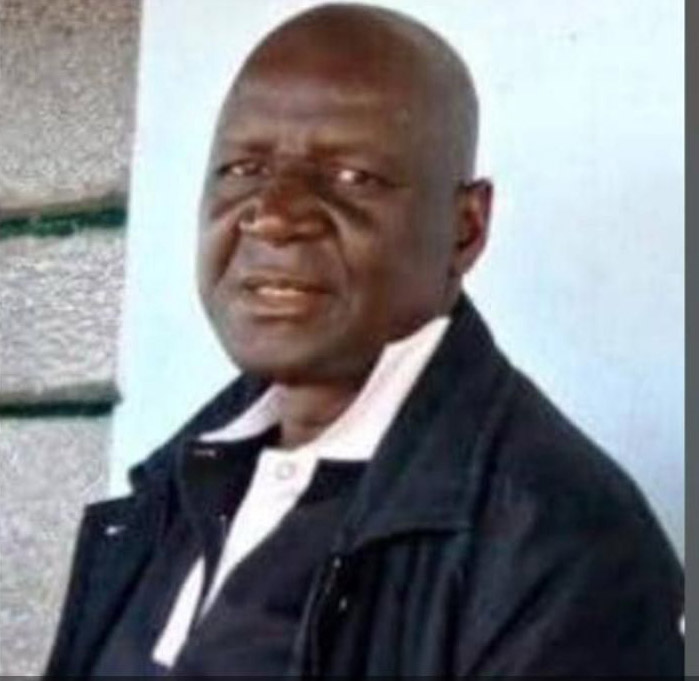
The death of Manicaland Provincial Chiefs Council chairman, Senator Chief Mapungwana, born Mr Anias Mapungwana, of Chipinge District this week in Bulawayo was a reminder that the era of hushed secrecy is now thoroughly out of date.
Social media groups, especially those from Chipinge, were jammed, as members posted the news, sharing messages and voice notes in a cheerful stampede to spread the word.
On platforms like Facebook and WhatsApp, condolence messages poured in from every corner within minutes of the unofficial announcement.
Images of the late Chief Mapungwana circulated alongside tributes even before his family, the Government or the Council of Chiefs had confirmed the news.
Cultural proponent, Mr David Mutambirwa, said the arrival of social media should not be used as an excuse to abandon long-standing traditions designed to give traditional leaders a dignified send-off.
“It is considered taboo to spread the news of a traditional leader’s passing before his burial. A chief is not an ordinary villager – he or she is held in very high esteem as the link to the ancestors and to the Government. Chiefs are not music or football celebrities whose deaths people rush to announce. The advent of social media cannot be an excuse for breaching beliefs and values that carry deep meaning.
‘‘ Social media has its pros and cons, and it is up to us to use it to advance our local customs rather than defile them. It cannot brazenly override culture or undermine community positions,” said Mr Mutambirwa.
Traditionally, announcing a chief’s death was not just about sharing information, it was about timing. Elders ensured that key family members were informed first, and pre-requisite rituals performed before the wider community was told.
Chief Mapungwana’s case is not an isolated one.
The death of 28-year-old Chief Marupi from Gwanda was widely reported online, following earlier headlines about the theft of his donated vehicle.
His passing trended on WhatsApp and Facebook, with users sharing condolences and news clips before an official announcement was made.
Headman Talkmore Mupambawahle believes that keeping a chief’s death a secret remains a relevant and important ritual, even with the challenges posed by social media.
He said how the departed chief’s family handles the information is key to preserving the tradition.
“In our Shona culture, the death of a chief is never announced directly or bluntly. Instead, the death is communicated through symbolic, respectful language, and ritual, reflecting the belief that a traditional leader does not simply ‘die’ but transitions into the ancestral realm. A common traditional way of announcing it was through euphemisms such as ‘mambo aenda’ ‘mambo avata’ or ‘chigaro chasiiwa’.
“These phrases avoided the finality of death and acknowledged the chief’s continuing spiritual role as an ancestor. Trusted elders or spirit mediums, often in a controlled and ritualised setting, usually did the announcement itself. Importantly, the news was not spread casually. There was a clear hierarchy of who was told first, close family, senior elders and then the wider community. In this digital era, the onus lies with the chief’s immediate family on how to safeguard the news of the departed and only share with relevant people until appropriate time to publicly announce. Some families first bury their chief secretly and then announce the passing on to the community and a funeral is held,” said Headman Mupambawahle.
Traditionally, it was the royal family, supported by State structures. Now, anyone with a smartphone can break the news. In some cases, bloggers and so-called citizen journalists outpace official channels, reshaping how such events enter the public domain.
We no longer know how to talk about the deaths of traditional leaders or how to give them the dignity of silence.
Where does technology stop and say, pangu pakwana, my role is done, then let the secret tradition of burying royalty take over?
Zimbabwe’s chiefs remain central to national identity and governance, deeply intertwined with both the state and local communities. In many communities, elders continue to insist on proper rites.
Even when news breaks online, rituals must be followed.