Richard Muponde
Zimpapers Politics Hub
THE morning of November 23, 1977, began in terror. At exactly 7.45am, as ZANLA cadres and refugees gathered at Chimoio Camp in Mozambique, bullets and bombs rained down on the base.
Explosions shattered the morning; aircraft roared overhead, shelters were torn apart, and people fled amid smoke, screams and blood. Launched by the forces of Ian Douglas Smith’s Rhodesian regime, Operation Dingo transformed a liberation base and sanctuary into a killing field.
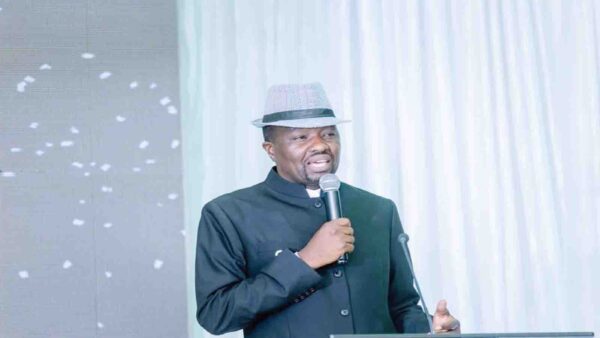
For surviving camp commander Cde Norman Bethune, born Midson Gomba Mupasu, the horror has never receded.
“At exactly 7.45am, bullets and bombs were raining at Chimoio Camp in Mozambique when the Rhodesian cruel fire consumed thousands of freedom fighters and refugees in an operation dubbed Dingo. Some had already lost their lives at that hour, when the Rhodesian forces bombed Chimoio. When you phoned me, I am seated here reliving the whole scenario. I am deeply engulfed in it. I am seeing the happenings live as if today, 23 November 2026, is the very day the bombings are happening. It’s still fresh,” Cde Bethune said.
Operation Dingo: A Raid on a People
Located in Mozambique’s Manica Province about 90 kilometres from the Rhodesian border, Chimoio was a major ZANLA headquarters housing training facilities, administration offices, stores, a hospital, schools and accommodation. Alongside fighters and recruits lived women, children, patients and refugees displaced by colonial violence.
On November 23, Rhodesian Hunter, Vampire and Canberra aircraft initiated the assault, followed by paratroopers and helicopter-borne troops who encircled and swept through the camp. The hours-long attack claimed thousands of lives, including non-combatants.
A Commander’s Warnings, A Nation’s Memory
Cde Bethune recalls that traditional spirit mediums — including Sekuru Chipfeni, Chidyamauyu and Chiodzamamera — had warned in August and September of an impending raid, while reconnaissance aircraft were regularly spotted overhead.
After notifying senior commanders and receiving no direct orders, he moved classified documents to Mudzingadzi and relocated unarmed personnel to forest hideouts roughly two kilometres away, leaving armed instructors and trainees on the defensive lines.
The Blood Price of Independence
Chimoio stands alongside Nyadzonia, Tembue, Mkushi and Freedom Camp in Zimbabwe’s history of liberation sacrifice.
The dead were not mere statistics; they were young people who left their homes because majority rule was denied. Women sustained the camps, medical staff treated the wounded and recruits prepared for the front — their lives cut short before they could see a free Zimbabwe.
Honouring them demands honest history, preserved memorials and tangible care for survivors and descendants.
The Liberation Promise Must Reach the Living
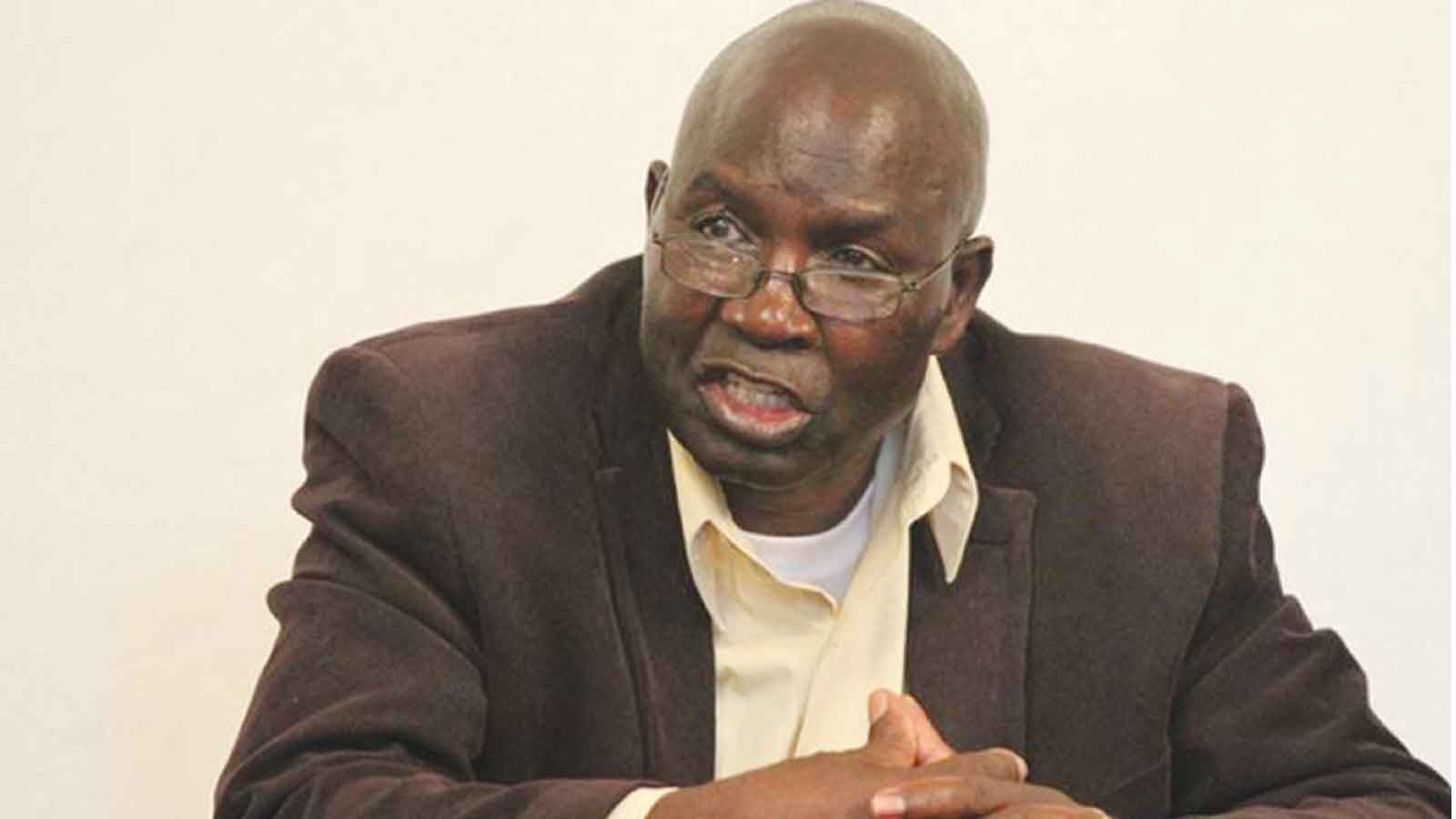
While acknowledging progress under the Second Republic, Cde Bethune stressed the urgency of economic justice for surviving fighters.
“These freedom fighters died to free the country and achieve economic development. That’s their aspirations. So today the welfare of living war veterans should be a top priority to uplift their lives economically.
“Some of the Comrades are struggling, so we want development to reach all war veterans, families and children in line with Vision 2030. So Government should take audit to see if the empowerment projects are benefiting authentic cadres,” he said.
His challenge goes to the core of the liberation promise: political independence was never an end in itself.
Under President Mnangagwa, the Second Republic anchors its agenda on Vision 2030 — attaining an upper-middle-income economy while leaving no one and no place behind— through infrastructure, agriculture, industrialisation and mining.
Yet war veterans, widows and orphans cannot remain in poverty while the nation celebrates their sacrifice. Conducting a transparent audit of empowerment schemes, as Cde Bethune proposes, would verify whether intended beneficiaries are receiving viable support.
Presidential Words and the Duty to Remember
President Mnangagwa underscored this duty in June last year when he renamed Tomlinson Depot to Chimoio Camp.
“The heinous and atrocious events that took place during the First and Second Chimurenga/Umvukela and the personal sacrifices of many sons and daughters of Zimbabwe should never be taken for granted. Although some of the experiences evoke painful memories, they should rekindle our fortitude to always defend and safeguard the independence, freedom, unity, and peace we now enjoy.”
“The renaming of this depot to Chimoio Camp marks yet another milestone and step towards dismantling the remaining colonial legacies.”
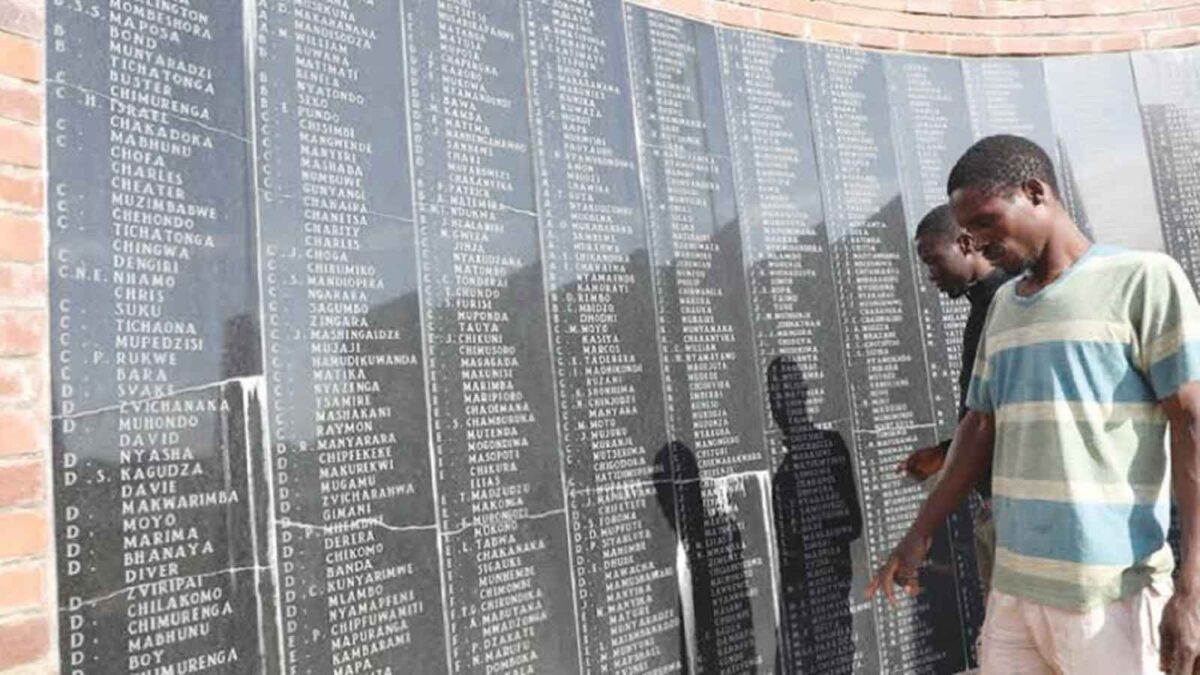
Forty-nine years later, Chimoio’s mass graves indict colonial brutality and honour the courage that secured Independence. Remembering them means not only recalling how they died, but completing the work for which they gave their lives.
Preserving the physical memorial landscape is equally vital. The National Museums and Monuments of Zimbabwe plays a central role in safeguarding the site, mass graves and historical records so that remembrance rests on concrete evidence for future generations.