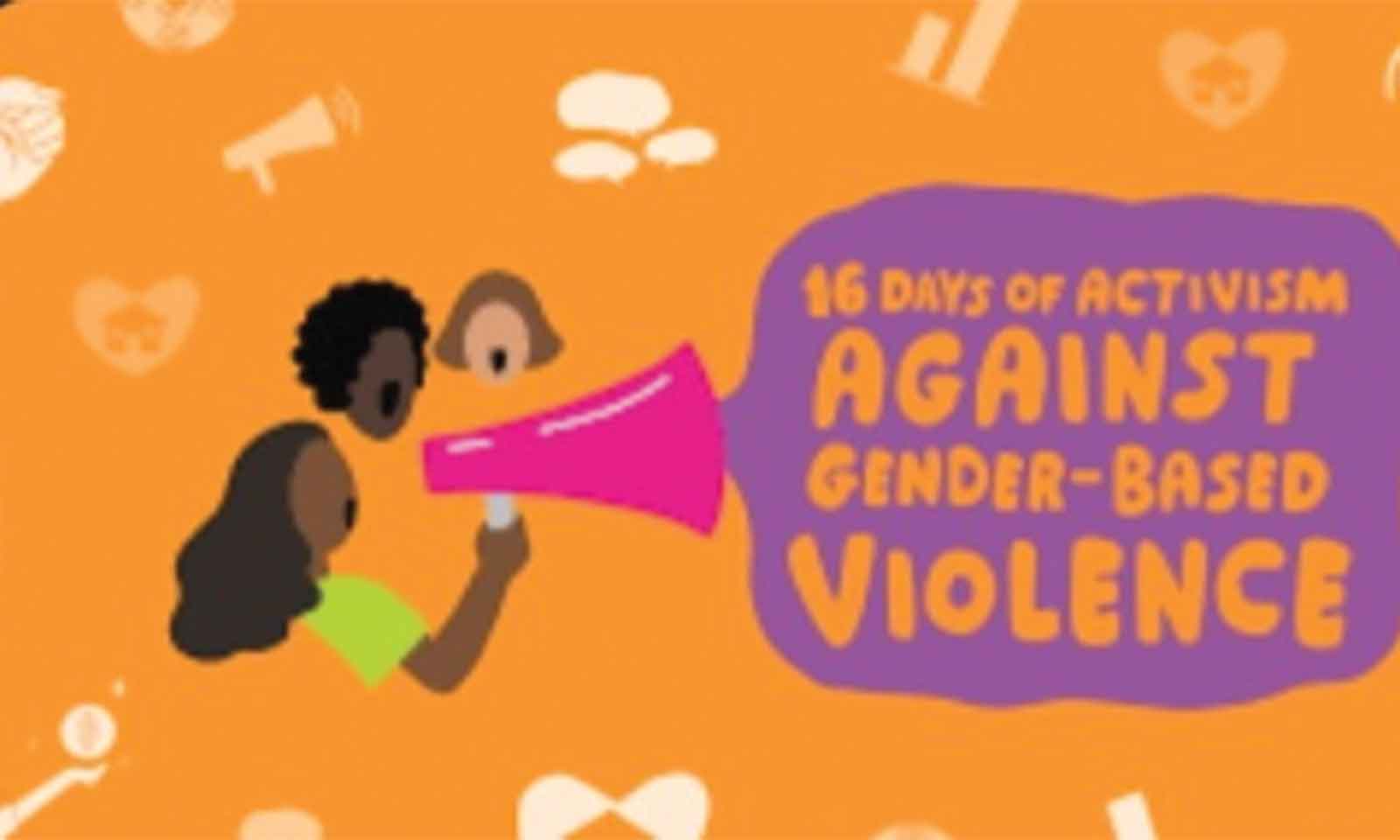
GENDER-BASED Violence is an intolerable abuse of human rights and needs to be stopped using a full range of programmes and interventions from charging and convicting offenders to changing attitudes in society.
Around one in three Zimbabwean women aged 15 to 49 have been subjected to such violence according to the latest surveys, ranging from moderate assault and abuse all the way to extreme violence, rape and even killings.
The range and extreme prevalence of such violence is not something we can ignore, or something we can postpone to fix over time. It needs to be fixed now.
While the concentrated annual 16 days of Activism Against Gender-Based Violence starts tomorrow, the campaign is something that must continue every day and be continued permanently, with a lot of daily routine work now done by police, the courts and several activist groups.
The 16 days of activism is simply a period when we concentrate on the evils of such violence, to enhance our efforts.
The first quarter of this year saw more than 7 000 cases of criminal sexual and gender-based violence reported with over half of these ending in conviction and a fair number of the rest still progressing through the courts.
In addition, the civil courts have been doing sterling work in issuing prevention and protection orders.
There are some cases of such violence perpetrated by women against men, and these need to be prevented and stopped as well. But the number of such cases is dwarfed into near insignificance by the number of attacks by men on women, many in a family and domestic environment. And it is here that we need to push our special efforts.
One major progress has been the rising number of reports to police and courts, the rising number of women seeking help and support, and the growing numbers of women simply not prepared to tolerate such violence.
No longer do we have a majority of women prepared to keep the assaults and violence secret, as if they are ashamed to be victims, although this is still a challenge.
Men’s attitudes are still a challenge.
While more men are now ready to acknowledge that they have no right to attack wives and other relatives or strange women, there are still many entrenched beliefs and some perversions of customary practice that allow or even encourage such violence.
If all men changed their attitudes, there would still be some violence as when people lose their tempers, but violence of men on women would retreat to those very low levels of violence by women on men, and be an individual challenge rather than a major social concern.
So this year part of the preparations for the 16 days of activism has been an inaugural national men’s conference, seeking men to ally themselves with the movement against gender-based violence and join in collective action for gender equality.
This also requires changing some attitudes about the growing number of men, by the looks of it a modest majority, who at the very least do not engage in violence and the smaller, but growing group who regard such violence as totally wrong. Men are not just perpetrators, but can also be agents of change.
We see some of what is possible in the statistics based on surveys. One in three women under 49 report they have been subjected to gender-based violence.
But that means two thirds have not, and have not had the misfortune to have male friends, boyfriends, husbands or other relatives assaulting them.
The one third is an intolerable fraction, but that two thirds offers a lot of hope that we can all make a difference.
So a large group of men have been prepared to move away from violence against women and among that group those seeking further change can recruit activists who can explain to other men why gender-based violence is so wrong, and why they need to change as well.
When all men start feeling ashamed of committing violence against women, then we will be close to the sort of society we want.
We will have moved from “everyone does it”, and an acceptance at least among a large group of men that this is normal.
Instead we will be in that position where no one can defend such violence, even to themselves and close friends, and so we will no longer have at least the systematic challenge.
Societies do change. Slavery, racism and many other evils were ended when large majorities of perpetrators or would-be perpetrators retreated and when growing numbers of people of goodwill were prepared to take action to end the wrongs.
So this year our 16 days of activism needs to concentrate both on continuing supporting women, making it ever easier for victims to report violence and get help, but also on mobilising what is now a majority of men as well as women to intensify their efforts so we eliminate the evil.