Online Reporter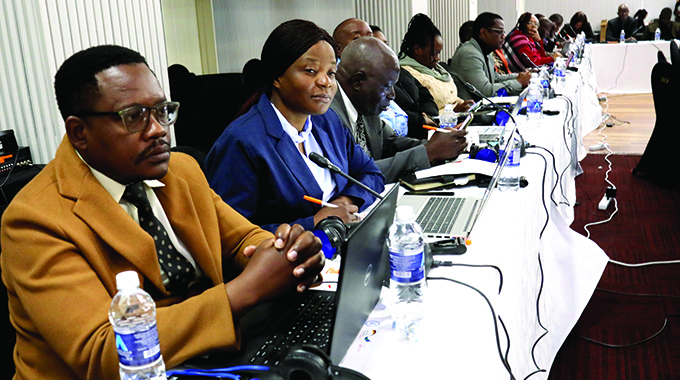
Sikhulekelani Moyo, Zimpapers Business Hub
THE Southern African Development Community (SADC) is walking the talk on industrialisation after key players in the block’s leather industry met in Bulawayo yesterday to discuss a collaborative approach, among member states, to accelerate regional industrialisation through the leather value chain.
The inaugural SADC Regional Leather Forum was organised by SADC in partnership with the German Agency for International Co-operation (GIZ).
Running under the theme: “Accelerating Regional Integration: Building Sustainable Partnerships for Leather Value Chains Transformations,” the forum was meant to enhance policy harmonisation to promote growth in the regional leather value chain.
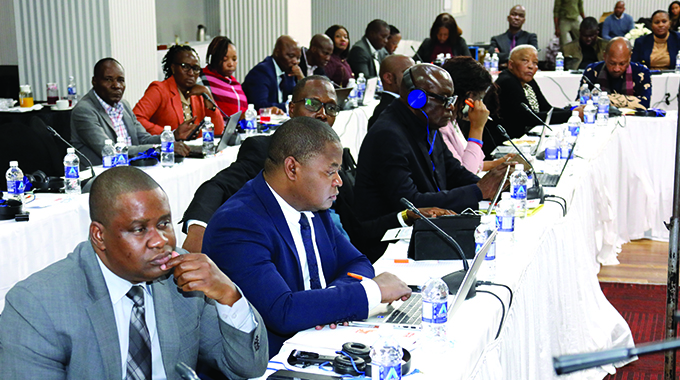
The event was attended by over 50 participants from the member states, including policymakers, industry leaders, entrepreneurs, researchers, crucial development partners and influential private sector representatives from across the region.
As eloquently outlined in the Sadc Industrialisation Strategy and Roadmap (2015-2063), the gathering was a pivotal component of a broader and collective effort to transition the region from an extractive, resource-based economy to one firmly anchored in value addition, robust manufacturing, and enhanced productivity.
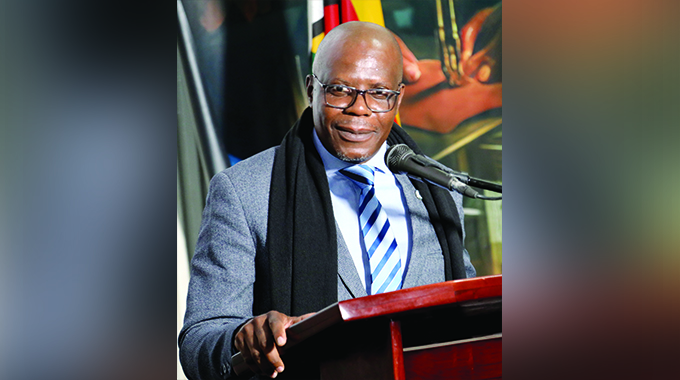
In an interview on the sidelines of the forum, SADC Secretariat senior programmes officer responsible for value chains, Mr Calicious Tutalife, said SADC recognised the importance of member states talking to one another.
As such, he said the region could only achieve regional integration if member states collaborate.
He said member states had to engage and understand how others were performing and tackling challenges, share experiences and pursue opportunities through collaboration.
“The main objective, particularly for the leather value chain, is that we know as member states we are at different levels, and therefore by engaging and listening to one another, I think we can find out how we can even collaborate more,” said Mr Tutalife.
“Not just in terms of learning from other member states, but that we can work with one or two member states. Of course, maybe those that are closest to us in terms of geographic borders, but nothing stops us from collaborating, even with those that might be further away, depending on the opportunities for synergies or common issues that we are working on.”
He said the inaugural forum would allow member states to work more closely together and drive the competitiveness of the regional leather industry value chain.
As an extension of the African continent, Mr Tutalife said SADC constituted about a third of all leather products imported within the continent, making it a very significant player in the value chain.
He said, considering that Africa had eight regional economic groupings, with SADC constituting a third of the members, or 30 percent, the region was a significant player in the continent’s leather industry.
“But that’s on imports and exports. We saw that the figures are not as impressive. We are very low, but we believe that presents an opportunity for us to find ways on how we can improve our performance,” said Mr Tutalife.
The first day saw representatives of member states presenting on how their countries are implementing the Regional Leather Model Policy and Framework.
Mr Tutalife said the major challenges faced by the region are hides and skin quality.
He said the region is focusing more on beef quality, which has seen farmers not bothered by protecting the hides’
quality.
“Traditionally, the issue has always been about the quality of skins and hides that are produced,” he said.
“As you can appreciate, we are more communally based in terms of animal husbandry and farming. And compounding the challenge is that the farmers don’t look at the beast or the animal as a source of hides because that’s not really of much importance to them.
“They raise these animals primarily for the meat, and maybe some milk along the way, but otherwise it’s really about beef.”
In her remarks, Industry and Commerce Bulawayo Province director, Mrs Mary Chingonzoh, said the forum was meant to generate actionable insights, foster deep policy alignment, and collaboratively produce a strategic roadmap that will elevate product quality, champion sustainability, and boost competitiveness across the region’s entire leather sector.
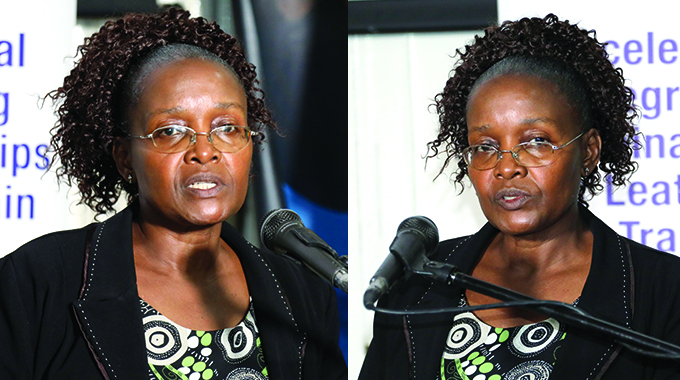
“I am confident that the outcomes from our discussions here will undeniably contribute to harmonising our policies, consistently improving product quality, and unlocking vast new export opportunities, not just across our continent but globally,” said Mr Chingonzoh.
“This meeting powerfully underscores the unwavering commitment of both SADC and Germany to promote holistic value chain development, streamline trade facilitation, and accelerate industrialisation across our region.
“This is achieved by strengthening vital institutions and fostering greater private sector engagement. Indeed, Germany has already played a pivotal role in the development of our leather sector, including the modernisation of tanneries, the improvement of production standards, and the establishment of crucial business linkages in countries such as Botswana and Namibia.”
She further highlighted that the workshop was strategically designed to bring together key stakeholders from the leather industry, enabling them to forge strategic business linkages, foster ground-breaking innovation, and further propel regional industrialisation.
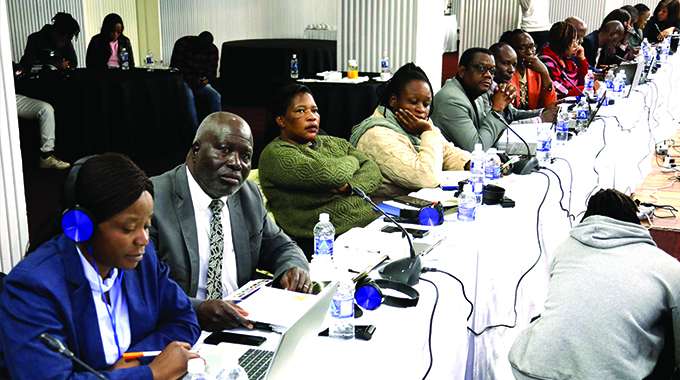
Participants, including manufacturers, tanners, designers, retailers, and financiers. policymakers, and business support organisations from across the region, have a unique platform to share critical market intelligence, discuss best practices in sustainability and traceability, explore the latest technological advancements in leather processing, and engage in direct business matchmaking sessions.
African Leather and Leather Products Institute (ALLPI) product design and development manager Mr Preston Viswamo said the global leather industry was currently valued at around US$450 billion, with Africa only contributing 3 percent of the volume.
“So, as Africa is still very, and we have a lot of work to do to ensure that we capture this market, which, of course, right now is flooded with other countries’ or continents’ products because they can produce as compared to Africa,” said Mr Viswamo.
“Looking at this forum, the conversations that are taking place are very critical. First of all, we’re trying to analyse our position as Africa, looking at challenges and opportunities that lie before us, but also it is a platform where we encourage ourselves to consolidate our efforts.”
After the forum, SADC is hosting a two-day Business-to-Business (B2B) workshop today and tomorrow, which is expected to bring together key stakeholders in the leather industry to build strategic business linkages, foster innovation, and advance regional industrialisation.