Online Reporter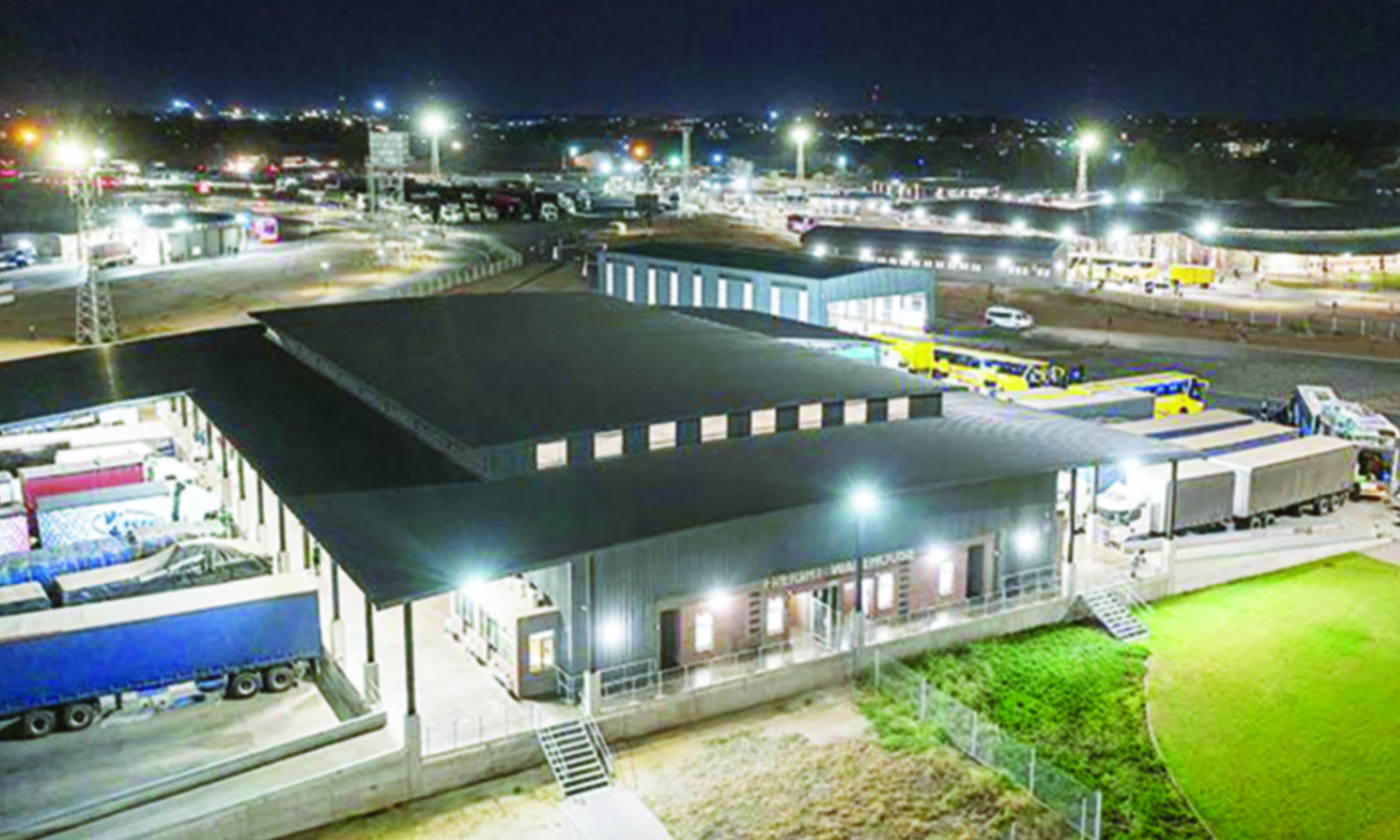
Thupeyo Muleya, [email protected]
A DELEGATION from the Southern African Development Community (SADC) Secretariat is on a two-day study visit to the Beitbridge Border Post to assess the progress of the country’s implementation of regional trade facilitation protocols..
The protocols were adopted in 2013 by a ministerial task team responsible for finance and investment, infrastructure development and foreign affairs.
The team, led by senior programme officer for Customs and Task Manager of the European Union and SADC Trade Facilitation Programme, Mr Alcides Monteiro, is engaging border agencies to assess progress in terms of the full implementation of the protocols.
After the familiarisation tour, the team will come up with a final report.
Other team members include, Mr Ally Alexander Mwangolombe the programme officer for Customs Procedures and Alberto Alexandre the programme officer for capacity building in the Directorate of Finance Investment and Customs (FIC).
Mr Monteiro said the team made numerous visits to other border posts within the region where a lot of ground had been covered in terms of the improvement of infrastructure, co-ordinated border management and efficiency management systems.
He said the US$300 million transformed Beitbridge Border Post, is a critical gateway to seven member states in the SADC region hence the visit and to appreciate the developments.
“This mission is in the context of us to advance the regional integration agenda. Over the years, since we started to implement the SADC Treaty in the area, we realise that there is a need to implement the trade facilitation instrument,” said Mr Monteiro.
He said the trade facilitation instrument is meant to support and consolidate the regional bloc’s development thrust that began around 2008.
“After five years of the implementation of the Sadc free trade areas, there was a decision from the Ministerial task force on regional integration where they identified the key border posts in the region to implement some measures including the upgrading of the border posts, the one-stop border post concept, coordinated border management concept and to extend hours of operation to cater for the volume of trade in the region,” said Mr Monteiro.
The ministerial task team includes ministers of finance and investments, infrastructure development and foreign affairs in SADC.
The team was yesterday scheduled to see the border facilities “after which we will have the final report and we will have the final picture of how the border now looks as compared to what it was before the decisions were taken by the ministers in 2013,” said Mr Monteiro.
Speaking during the meeting on Wednesday, the Zimbabwe Revenue Authority (Zimra) commissioner for customs Mr Batsirai Chadzingwa said the new-look border post has reduced congestion among other major bottlenecks.
“We now have three new terminals catering for freight, bus, pedestrians and private vehicles traffic.
Zimbabwe is now open for business. This facilitates trade and movement of goods and people and we have noted an improvement in service delivery,” he said.
The port of entry is the nexus of trade and travel for citizens of Malawi, Angola, DRC, Mozambique, Tanzania, Zimbabwe, South Africa and tourists coming by road from the international community through South Africa.
Other facilities at the border include the port health centre, state warehouses, weigh-bridges, an animal shed, automated boom gates, fast cargo mobile and baggage scanners, 500 CCTVs, improved signage and call-out boards on traffic movement.
Zimbabwe also has a Co-ordinated Border Management approach for the more than 20 Government agencies at the border, the electronic cargo tracking system, pre-clearance, single window system and the electronic Temporary Import Permit (e-TIP).
Annually the border processes close to 150 000 commercial trucks and over seven million travellers and has the capacity to serve over 400 buses, and 4 000 light vehicles on any given day.