dyton mupawaenda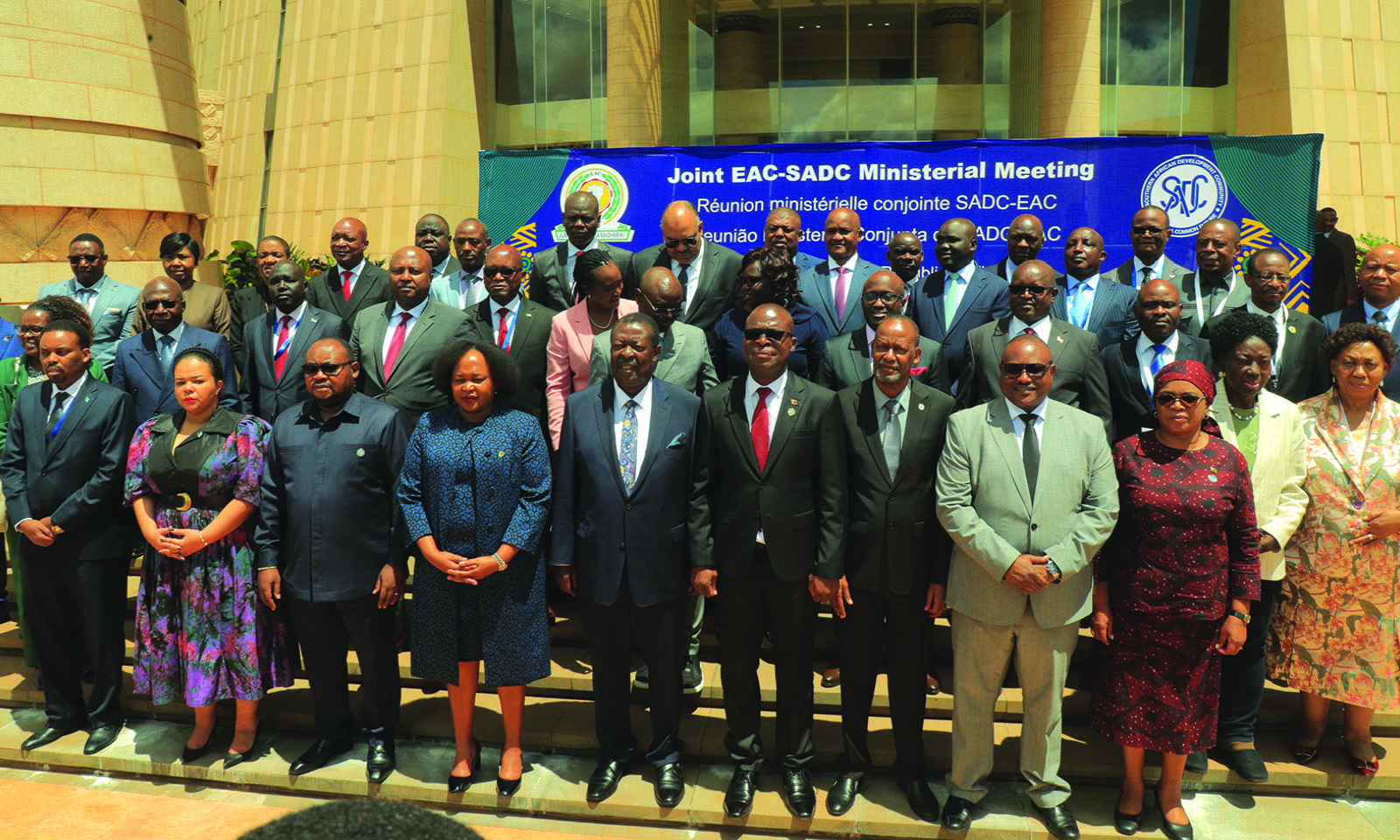
Mukudzei Chingwere
Herald Reporter
THE Southern African Development Community (SADC) and East African Community (EAC) have agreed to reinvigorate their collective efforts towards peace in the Democratic Republic of Congo (DRC).
This came out during a high-stakes SADC-EAC Ministerial meeting held in Harare yesterday.
The decisive gathering, which followed earlier discussions by senior officials and previous meetings of Heads of State, focused on addressing the ongoing conflict that has destabilised Eastern DRC for years.
The Zimbabwe and SADC delegation was led by the Minister of Foreign Affairs and International Trade, Professor Amon Murwira and comprised Defence Minister Oppah Muchinguri-Kashiri, State Security Minister Lovemore Matuke, Home Affairs and Cultural Heritage Minister Kazembe Kazembe, and Tourism and Hospitality Industry Minister Barbara Rwodzi.
Also present at yesterday’s meeting were the Chiefs of Defence Forces from the represented countries, adding a significant military perspective to the discussions.
The high-level participation underscored the importance of a co-ordinated response to the challenges at hand.
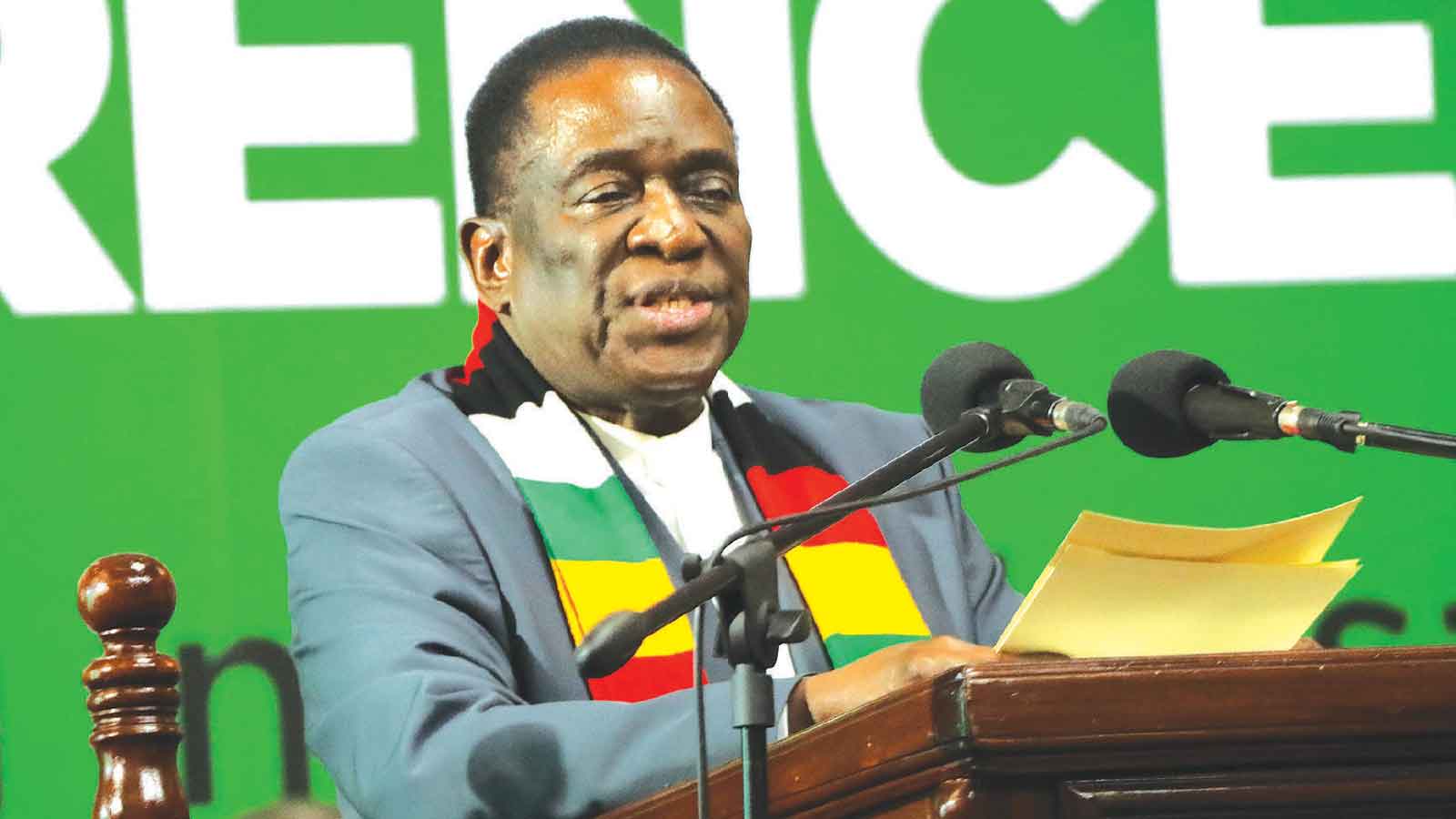
At the end of the meeting by the two regions, Prof Murwira gave highlights of the meeting, saying they made significant progress in implementing the decisions of their principals.
“We have agreed that the security situation in the DRC demands that we reinvigorate our collective efforts towards peace, with a sense of urgency and in the spirit of Pan-Africanism,” he said.
“It is our conviction that the decisions we have adopted will provide impetus to our peace efforts towards resolving the protracted conflict in our sister Republic, given that none but ourselves will bring the peace we want in our two regions”.
Prof Murwira said they also pledged to urgently put to action the joint roadmap, which elaborates a comprehensive approach encompassing both political and military interventions required to address the complex security and humanitarian situation in the DRC, in the immediate, medium, and long-term.
“As we head back to our capitals, it is important that we not only take concrete steps to operationalise our decisions, but also ensure their timely execution,” he said.
Prof Murwira said the Technical Co-ordination mechanism is critical in facilitating the implementation of the decisions and helping monitor and evaluate progress achieved, and any areas requiring further attention.
Earlier in his opening remarks, Prof Murwira called for peace and an end to the ongoing humanitarian crisis, urging everyone to focus on achieving broader, lasting peace.
He emphasised that the true battle lies against poverty and deprivation, which can only be fought through knowledge and skills.
Reflecting on the conflict, Prof Murwira reminded delegates that the weapons causing destruction are not of the region’s making.
He warned that if the regions fail to act decisively, history will judge them harshly, stressing the importance of considering the needs of the millions displaced by conflict and calling for the establishment of clear timelines for implementation.
Prof Murwira said Zimbabwe and SADC envision Africa as a tree of life, rather than a tree of death, calling for unity in building a brighter future for all.
Cabinet Secretary for Foreign and Diaspora Affairs of Kenya and Co-Chairperson of the SADC-EAC Joint Ministerial Meeting, Dr Musalia Mudavadi, underscored the profound impact of the crisis on vulnerable populations, particularly children and women.
He cited the UN figures that show over 700 000 individuals have been displaced, stressing the critical importance of achieving lasting peace and the need for the African Union and SADC to collaborate effectively in implementing the agreements reached.
Dr Mudavadi also commended the AU for endorsing their previous communique, reinforcing the collective commitment to resolving the challenges faced by the region.
“I also want to point out that the ministers’ meeting is a herald of the summit of Heads of State and Government and therefore the ministerial meeting should refine several proposed strategies for onward consideration by the Heads of State and Government before implementation,” said Dr Mudavadi.
“In our conversations, we have to underscore that the humanitarian toll continues to rise, amplifying calls for urgent regional and international intervention to prevent further suffering and displacement.
“I also want to highlight the impact on the vulnerable, especially children and women. For instance, the United Nations Children’s Fund (Unicef) estimates that the resurgence of conflict in the province of South Kivu in the Eastern DRC has forced more than 700 000 people, nearly half of them children, to flee their homes.”
Dr Mudavadi thanked the represented countries for demonstrating commitment to the welfare of the Congolese people through co-operation towards establishing a roadmap for peace in DRC.



 Online Reporter