Online Reporter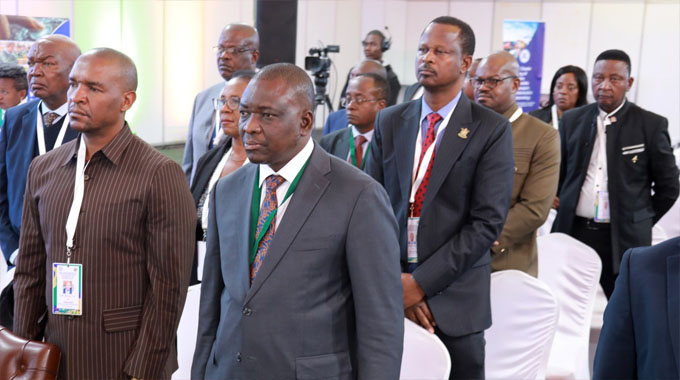
Sikhumbuzo Moyo, [email protected]
SOUTHERN Africa has intensified efforts to advance regional integration through improved transport connectivity, digital sovereignty and adoption of Artificial Intelligence (AI)-enabled infrastructure.
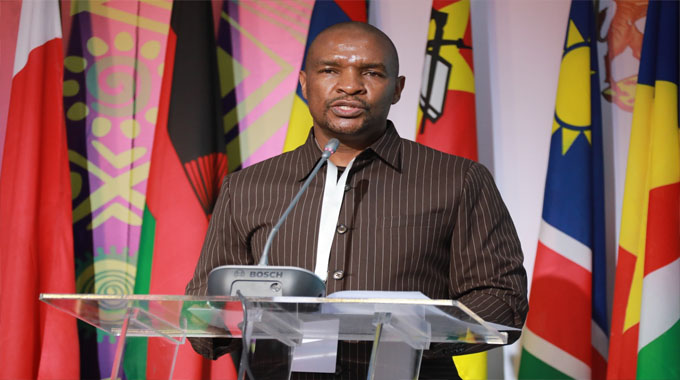
This came under focus at the Southern African Development Community (SADC) Cluster Meeting of Ministers in Bulawayo yesterday, where ministers responsible for transport, information and communication technologies, meteorological services and related sectors gathered to deliberate on strategies aimed at accelerating sustainable development across the region.
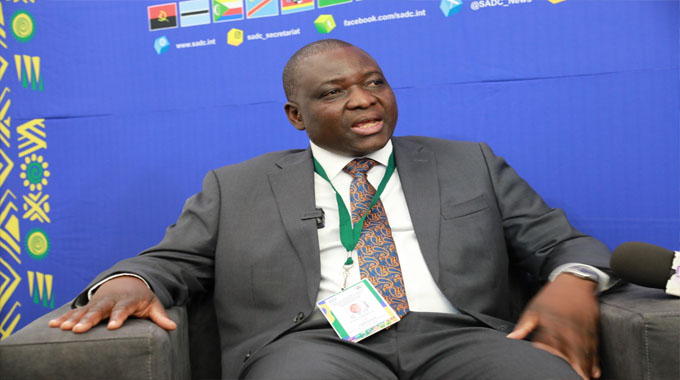
Information, Publicity and Broadcasting Services Minister, Dr Zhemu Soda, urged SADC countries to collaborate in developing a regional information and communication infrastructure that guarantees sovereignty over information and data while strengthening disaster preparedness and response systems.
“Our officials have been meeting here in Bulawayo since Monday and ministers have now joined them to deliberate on various issues affecting the region.
“The main thrust is to coordinate our efforts on facilitating trade and exploring the role of Artificial Intelligence in supporting regional development,” said Minister Soda, while addressing the media.
He said the information sector plays a critical role in ensuring that citizens receive accurate and timely information, particularly during emergencies and natural disasters.
“Our citizens deserve to be informed on time, especially on issues relating to disasters, disaster preparedness and the measures they should take when such situations arise,” said Dr Soda.
“Artificial Intelligence is becoming an important tool because information can be analysed quickly and decisions made promptly.”
He said one of the major issues under discussion was the need for SADC countries to establish and control their own information dissemination infrastructure.
“There is a need for us to work together so that we have our own infrastructure that guarantees sovereignty over our information and data. Most of the satellite infrastructure currently being used by countries in the region is not under our control,” said Dr Soda.
“Through collaboration and coordinated efforts, we believe we can liberate ourselves by developing our own equipment and infrastructure that supports our developmental objectives.”
The minister said member states were prepared to consider recommendations from technical experts on the resources and mechanisms required to establish a regional information infrastructure.
“We are ready to cooperate, work together and reduce dependence on infrastructure developed outside the continent. Such an undertaking requires collaboration and mutual understanding, which have always been the cornerstone of the Southern African Development Community,” he said.
Minister Soda also stressed the importance of equipping women and young people with digital skills to enable them to participate meaningfully in the region’s technological transformation.
He said Zimbabwe has already taken significant steps towards embracing AI through the launch of a national Artificial Intelligence Strategy.
“We intend to embrace AI while ensuring that appropriate safeguards, policies and regulations are put in place because it is a disruptive technology that must be managed responsibly,” said Dr Soda.
While acknowledging concerns about the impact of AI on employment, he said technological advancement was inevitable and should be embraced in a manner that balances innovation with the preservation of human capital.
Speaking at the same occasion, Transport and Infrastructural Development Minister Felix Mhona said SADC countries were also focusing on improving regional connectivity through the implementation of the Single African Air Transport Market (SAATM) and the liberalisation of air transport services.
He said inadequate connectivity remains one of the biggest obstacles to regional integration, trade and economic growth on the continent.
“We are trying to come up with solutions to address the connectivity challenges that we’re facing, especially within the region and across the continent. Regional connectivity is central to the discussions that we are having as ministers,” said Minister Mhona.
He said the Yamoussoukro Decision, adopted in Côte d’Ivoire in 1999 and implemented in 2002, was intended to create an open skies policy across Africa by allowing airlines to operate more freely between countries.
Although 38 African countries have acceded to the treaty, implementation remains slow in some jurisdictions, limiting the full benefits of a liberalised air transport market.
“The idea is to open our skies and create a single African aviation market where airlines can operate based on agreed freedoms of the air. This will enable airlines to pick up and drop off passengers across different jurisdictions, making travel easier and more affordable,” he said.
Minister Mhona noted that poor connectivity often forces travellers to take long and expensive routes when travelling within Africa.
“In some instances, one has to leave Africa or transit through distant regions before returning to another African country. This affects trade, tourism and economic growth. We are therefore looking at how best to address these concerns as a region,” he said.
Mhona said Zimbabwe remains committed to promoting policies that facilitate business, trade and investment while enhancing regional integration.
He highlighted Government’s investments in aviation infrastructure, including the upgrading of Robert Gabriel
Mugabe International Airport, Victoria Falls International Airport and Joshua Mqabuko Nkomo International Airport in Bulawayo.
Beyond aviation, Minister Mhona said Government is investing heavily in transport corridors critical to regional trade and movement, including rail infrastructure rehabilitation, the North-South Corridor and the planned upgrading of the Harare-Chirundu Highway.
He also highlighted ongoing efforts to strengthen the Walvis Bay and Beira corridors and address missing railway links within the region.
Minister Mhona said high transport costs, restrictive routing arrangements and visa requirements remained among the barriers hindering seamless movement across the continent.
The ministers’ remarks come as SADC seeks to leverage digital technologies, climate-resilient infrastructure and improved transport networks to accelerate regional integration and sustainable economic development.