Online Reporter
Nqobile Bhebhe in Beitbridge
FOR years, villagers in Tshitulipasi, Beitbridge District, relied on firewood for cooking, learners studied without electricity and local businesses operated with limited growth opportunities.
Today, that reality is changing as solar-powered electricity projects being implemented by the Government and private sector players bring new hope, improved livelihoods and fresh economic prospects to the remote border communities.
The transformation was evident yesterday as hundreds of villagers, schoolchildren, traditional leaders and Government officials gathered to celebrate the commissioning of the 120-kilowatt Tshitulipasi Community Mini Grid Solar Project and the electrification of Cituripasi Secondary School, developments that are expected to unlock new opportunities for households, businesses and public institutions.
The project, implemented by the Rural Electrification Agency (REA) at a cost of ZiG16 million, is supplying electricity to a primary school, 27 village homesteads, 18 business premises, two churches, a community borehole and three Government sub-offices, bringing reliable power to an area that had operated without electricity for many years.
Speaking during the commissioning ceremony, Energy and Power Development Minister July Moyo commended President Mnangagwa for spearheading an aggressive rural electrification programme that is transforming livelihoods in remote communities across Zimbabwe and demonstrating the Second Republic’s commitment to ensuring that no one and no place is left behind.
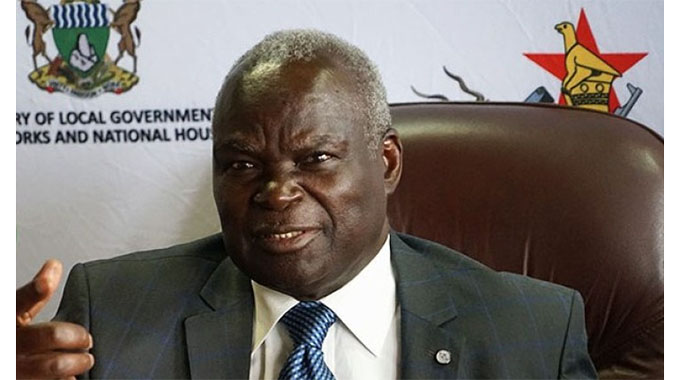
“President Mnangagwa said REA should also target areas, which are considered remote to electrify, including regions such as Tshitulipasi through the installation of solar,” Minister Moyo said.
He said the successful implementation of the project demonstrated the growing importance of renewable energy technologies in closing the electricity access gap between urban and rural communities.
“We’re able to have electricity at local shops and schools, especially this year when we’re targeting to electrify all rural schools,” the minister added.
He noted that rural electrification was a critical enabler of development as it improves education, healthcare delivery, agricultural productivity and business growth.
Access to electricity in schools allows learners to benefit from improved study conditions, digital learning technologies and enhanced educational resources, while electrified health facilities can provide better medical services and preserve essential medicines.
Minister Moyo said Government was also prioritising the electrification of healthcare institutions in rural areas.
“Also, clinics and hospitals in rural areas should have electricity,” he said, adding that solar energy was proving to be a practical and sustainable solution for communities located far from the national grid.
“What has happened here shows that we are able to electrify all areas through solar.”
The project is expected to transform livelihoods by improving access to energy for households, institutions and businesses while creating opportunities for income-generating activities. Indicating the immediate economic benefits of the mini-grid, Minister Moyo said local entrepreneurs were already benefiting from access to reliable power.
He said the availability of electricity would also create opportunities for young people to venture into productive enterprises and reduce social challenges such as drug and substance abuse.
“It’s now possible that youths can be organised and venture into various projects such as welding. They will be employed and shun drugs,” said the minister.
He said solar mini grid plants are fast to implement and supply uninterrupted power to beneficiaries as long as the sunlight is available.
“In addition to solar energy, I am particularly impressed by REA’s efforts in the implementation of biogas energy projects in village homesteads to complement this solar mini grid project,” he said.
“REA is working on 25 domestic biogas digesters to allow villagers with a herd of at least eight cattle, whose homesteads cannot be serviced with this solar mini grid plant in view of their geographical location, to use another source of reliable, efficient and affordable energy for domestic clean cooking.
“This biogas programme came into effect in Zimbabwe soon after the government launched the National Renewable Energy Policy in 2019 in line with the Sustainable Development Goal (SDG) No 7 set by the United Nations, which calls for access to affordable, reliable and sustainable modern energy services for all.”
Matabeleland South Minister of State for Provincial Affairs and Devolution Albert Nguluvhe said the primary mandate of the Rural Electrification Agency is to provide energy infrastructure to rural communities for development and community empowerment.
“If the energy infrastructure is not utilised productively, no meaningful development can take place in our rural communities.
“The participation and support of other stakeholders in mobilising and assisting the rural communities to use energy for productive purposes is, therefore, critical and important,” he said.
The commissioning was accompanied by scenes of jubilation as villagers, schoolchildren and community leaders celebrated the arrival of electricity in an area that had operated without reliable power for many years.
Traditional dances, songs and poetry performances by learners underscored the importance of rural electrification in improving living standards and creating opportunities for future generations.
The project complements other renewable energy initiatives being rolled out in Tshitulipasi, including a biogas programme being implemented by the Rural Electrification Fund (REF).
Earlier, Minister Moyo toured a biogas digester at the homestead of Mr Simon Gumbo, one of 19 such units established in Ward One.
Mr Gumbo said the technology had significantly improved household energy security and reduced dependence on firewood.
The biogas digesters convert animal waste into clean cooking fuel while producing organic fertiliser for crop production, helping to reduce deforestation and improve environmental conservation.
Also present were the REA acting chief executive officer, Mrs Felista Makumbinde, Government officials and local leadership.