Online Reporter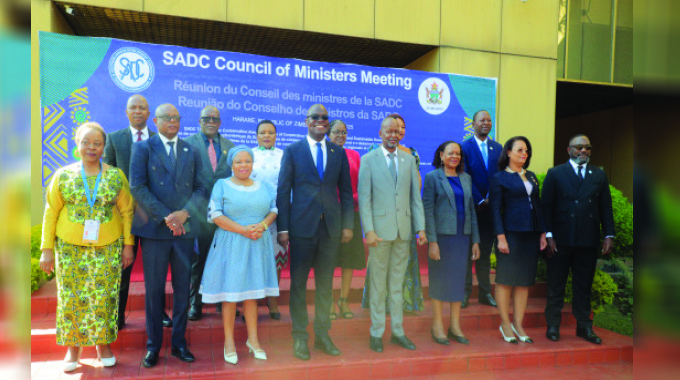
Wallace Ruzvidzo
LEADERS from the Southern African Development Community (SADC) region and their representatives arrive in Harare today for the highly anticipated Transfrontier Conservation Areas (TFCAs) Summit of Heads of State and Government.
The summit, chaired by SADC Chairman President Mnangagwa, will be held at the Harare International Conference Centre.
Yesterday, the regional bloc’s Council of Ministers, led by Foreign Affairs and International Trade Minister Professor Amon Murwira, convened to set the stage for today’s gathering.
The Council of Ministers’ meeting serves as a precursor, with its discussions informing the agenda for the Heads of State and Government summit.
The primary goals of the summit are to strengthen political commitment to the TFCA Programme, promote investments in conservation areas, and enhance cross-sectoral integration for sustainable development.
Prof Murwira emphasised the strategic importance of conserving the region’s rich biodiversity, underscoring the commitment of the Heads of State and Government to this cause.
“This vision is not merely a convenient one; it is driven by strategic foresight and necessity,” said Prof Murwira.
He highlighted the importance of viewing geopolitical borders not as rigid divides but as administrative boundaries that can foster co-operation and collective stewardship over biodiversity.
“Through the collective political will of our leaders, we aim to protect and preserve the extraordinary ecological treasures of our region,” Prof Murwira said during the Council of Ministers meeting.
He noted that responsible stewardship of natural assets is vital for peace-building, social cohesion, and inclusive growth. This year’s summit theme, “Transfrontier Conservation Areas — 25 Years of Co-operation for Regional Integration and Sustainable Development,” reflects a quarter-century of collaboration in this vital area.
“These conservation areas contribute significantly to our economic and social well-being,” Prof Murwira said.
“As we commemorate 25 years of groundbreaking co-operation under the Strategic Trans-Frontier Conservation Areas Framework, we pay tribute to the many actors — community leaders, conservationists, field rangers, scientists, and citizens — who have tirelessly worked toward this noble goal.”
Prof Murwira said TFCAs symbolise regional solidarity in action, showcasing the accomplishments that can be achieved when nations unite for a common purpose.
SADC Executive Secretary, Mr Elias Magosi, described the TFCAs as true success stories that embody the region’s commitment to sustainable conservation.
“From covering 25 500 square kilometres in 1999 to now over 1 million square kilometres, the TFCAs have become one of the largest conservation areas on the African continent,” he noted, highlighting the Kavango-Zambezi Transfrontier Conservation Area (Kaza), which alone spans over 520 square kilometres.
This extensive network illustrates the profound impact of regional collaboration in preserving shared natural resources and reflects the collective aspiration for prosperity among member States.
To date, the TFCA model has yielded significant results for biodiversity conservation.
Mr Magosi highlighted the success in stabilising the population of the critically endangered African black rhino, which was once on the brink of extinction.
“The population has nearly tripled, rising from just over 2 495 to approximately 6 400 today,” he said, acknowledging that while the numbers remain small, this progress is commendable considering the starting point.
As the summit unfolds, the focus will remain on enhancing co-operation and commitment to conservation, ensuring that the rich biodiversity of Southern Africa is preserved for future generations.
The discussions and resolutions from this gathering are expected to pave the way for further advancements in sustainable development and regional integration, reinforcing the importance of collaboration in addressing ecological challenges.