

 Online Reporter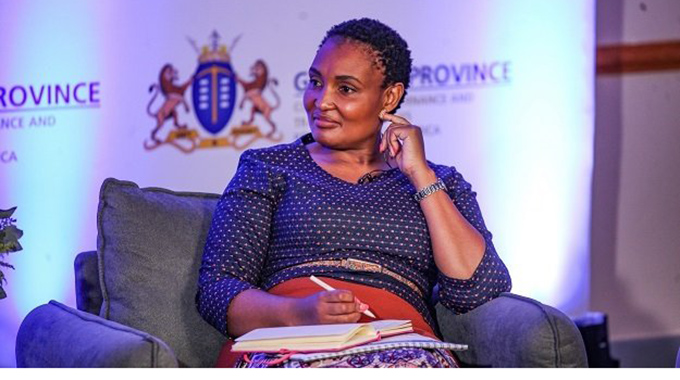
Moses Magadza in DURBAN, South Africa
LAWMAKERS across Sadc have been rallied to confront the climate crisis with urgency, unity and bold legislative action.
The call was made by South Africa’s Minister of Human Settlements, Thembi Simelane, at a symposium of the 58th plenary assembly of the Sadc Parliamentary Forum on Monday.
South Africa’s Parliament is hosting the plenary, which is the highest decision-making body of the forum.
Addressing delegates who included speakers and members of Parliament from 14 of the 15 SADC countries, Minister Simelane warned that climate change had become “a developmental crisis, a human settlements crisis, a socio-economic and governance crisis, and increasingly, a human security crisis.”
She stressed that the scale and speed of current climate impacts demand a decisive shift in how Parliaments legislate, fund and oversee national responses.
Minister Simelane recalled recent severe weather in KwaZulu-Natal and reminded the gathering that Durban and its surrounding districts are living evidence of the escalating threat of climate change.
“Recent years have shown us that storms are becoming more violent, droughts more severe, floods more destructive, and heatwaves more deadly,” she said.
“Communities have been repeatedly displaced, homes swept away, and public infrastructure damaged.”
A few days before her address, the Umshwathi Local Municipality suffered fresh losses as severe floods displaced families, an example Minister Simelane described as “a devastating illustration of how climate change is threatening development gains, deepening historical inequalities and undermining the right to adequate housing.”
She emphasised that climate impacts do not respect borders and are affecting multiple SADC countries simultaneously.
“No single country can address this challenge alone.”
Minister Simelane bemoaned the gendered burden of climate impacts and called for urgent reform to include women and youth in all climate decision-making arenas.
“Climate change is not gender neutral… Women are disproportionately exposed, disproportionately impacted, and disproportionately responsible for absorbing the shocks,” she noted.
Despite this they “remain at the margins of climate decision-making. That must change.”
She highlighted that young people inherit the consequences of decisions they did not make, yet are also “Africa’s greatest demographic asset… the most powerful drivers of innovation, resilience, and adaptation.”
Minister Simelane outlined South Africa’s Climate Change Response Strategy for Human Settlements and presented three strategic pillars she believes are applicable across SADC.
They include settling communities safely through avoiding settlement in high-risk zones like floodplains, unstable slopes, wetlands, coastal storm-surge areas and said this is the “first and most fundamental line of defence.”
Upgrading vulnerable settlements already at risk is another priority. In this regard she stressed the need to upgrade informal settlements where feasible, strengthening water, sanitation and electricity systems, and deploying nature-based solutions such as wetlands, green buffers and urban greening.
Moses Magadza is the Media and Communications Manager at the SADC Parliamentary Forum.



