Online Reporter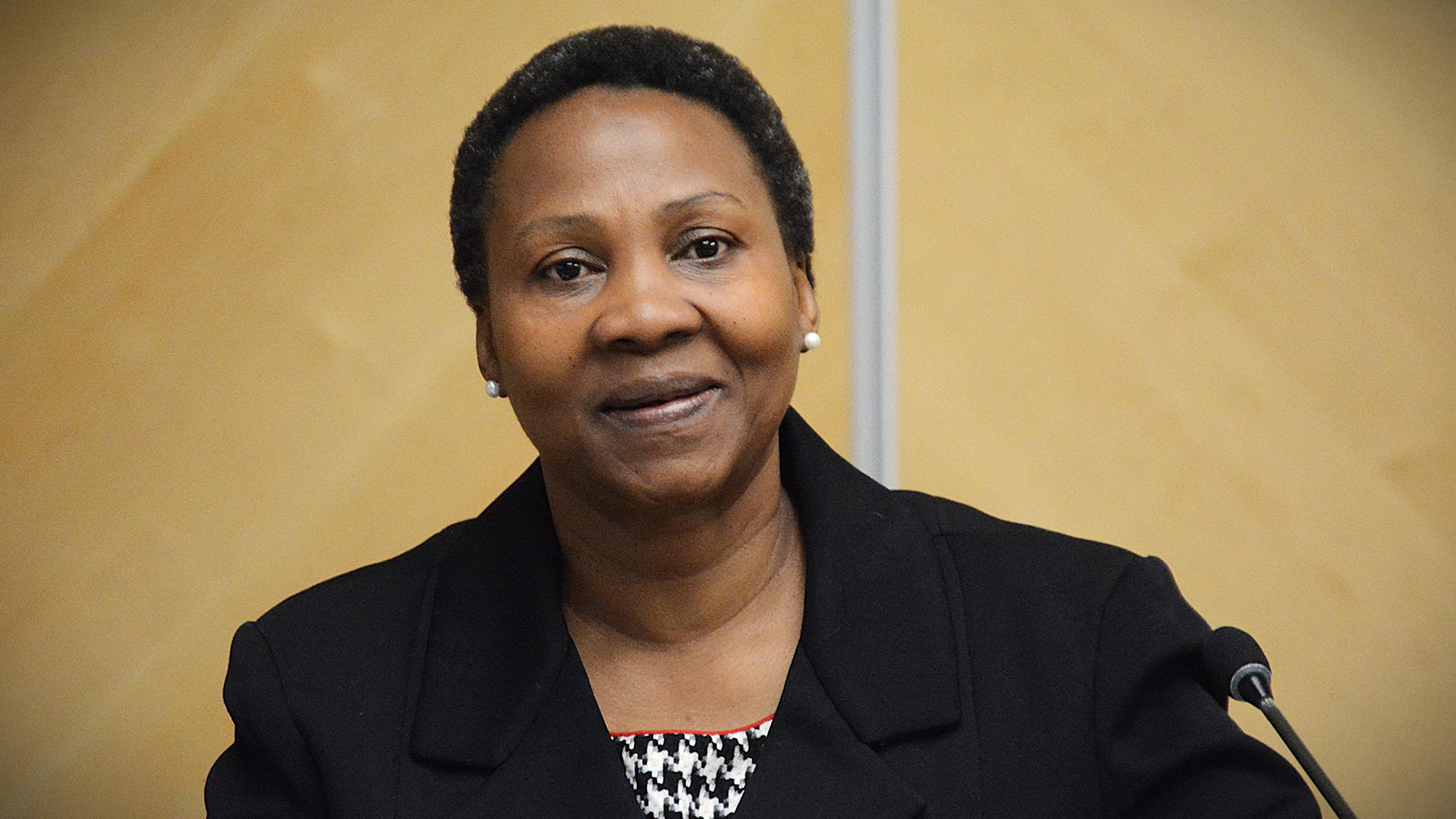
Dr Moses Magadza
Correspondent
The SADC Parliamentary Forum this week convened a high-level parliamentary side-event in Harare ahead of the Joint Meeting of SADC Ministers of Health and Finance.
The meeting happened against a backdrop of shrinking donor funding, rising public debt, mounting pressure on national budgets and growing uncertainty over the sustainability of health systems.
The dialogue challenged parliamentarians to move health financing from the margins of budget debates to the centre of economic governance by strengthening domestic resource mobilisation, removing legal and policy barriers that undermine access to health services and ensuring that every public investment in health delivers measurable outcomes for citizens.
Held under the theme of aligning health financing with adolescent access, the meeting brought together Members of Parliament, representatives of the SADC Secretariat, the United Nations family, Hivos, civil society organisations, youth advocates, judicial leaders, health financing experts and development partners.
It provided a platform for participants to examine the intersection between law, public finance, health systems and adolescent sexual and reproductive health and rights (SRHR), while formulating parliamentary recommendations for consideration by the subsequent Joint Meeting of Ministers.
The dialogue took place at a pivotal moment for Southern Africa. For decades, many health programmes including those supporting HIV, tuberculosis, malaria, sexual and reproductive health, nutrition and community health systems, have relied heavily on external financing.
However, declining Official Development Assistance, rising geopolitical tensions, increasing debt-servicing obligations, climate-induced disasters and humanitarian crises are forcing governments to rethink how healthcare is financed.
At the same time, households across the region continue to shoulder high out-of-pocket healthcare costs, while hard-won gains in Universal Health Coverage, maternal health, HIV treatment and child survival remain vulnerable.
The challenge before governments, delegates agreed, is no longer simply how to replace donor funding, but how to build resilient, domestically financed health systems capable of withstanding future shocks.
The meeting examined the current and emerging challenges confronting SADC national parliaments. These included strengthening domestic resource mobilisation, protecting essential health commodities from funding disruptions, improving budget oversight and expenditure tracking, ensuring that allocated funds reach frontline health facilities, expanding public health insurance and financial protection for vulnerable populations, and strengthening parliamentary accountability over health financing.
Participants also explored emerging priorities such as pooled regional procurement of medicines, local pharmaceutical manufacturing, innovative financing mechanisms including health-promoting taxes and debt-for-health swaps, integration of donor-funded community health workers into national systems, data-driven parliamentary oversight and the broader goal of achieving regional health sovereignty through stronger domestic investment.
The discussions reflected a significant shift in thinking; from viewing health expenditure as social welfare to recognising it as a productive investment capable of accelerating economic growth, protecting the region’s demographic dividend and strengthening long-term economic resilience.
Opening the meeting, SADC PF secretary general Ms Boemo Sekgoma said the region’s aspirations for integration and shared prosperity depended fundamentally on the health of its people.
“This agenda can only be attained if we have a healthy population and that health is firmly undergirded by a robust health financing framework.”
She said the side event had been convened to help reposition health as “a viable and non-negotiable investment avenue” ahead of ministerial deliberations.
Drawing on the lived realities of citizens across Southern Africa, Ms Sekgoma described families impoverished by catastrophic medical expenses, informal workers excluded from health insurance and health facilities struggling with shortages of essential medicines.
She said these realities explained why the SADC PF and the SADC Secretariat had deliberately placed sustainable health financing at the centre of their regional agenda.
Referring to the SADC Model Law on Public Financial Management, she reminded parliamentarians that the region already possesses a legislative blueprint for improving accountability and ensuring public resources reach those who need them most.
“Public resources are sacred and their utilisation must be guided by principles of prudence, transparency and accountability,” she said.
Ms Sekgoma warned that the era of abundant external health financing was ending and called on Member States to embrace domestic resource mobilisation as the cornerstone of sustainable health systems.
She urged governments to increase investment in HIV programmes, primary healthcare, reproductive health, local pharmaceutical manufacturing and pooled procurement of medicines, while encouraging legislatures to strengthen health-promoting taxes on tobacco, alcohol and sugary drinks.
While acknowledging progress in expanding national health insurance schemes, she cautioned that informal workers and vulnerable populations remained largely excluded.
She further challenged parliamentarians to create what she termed “Pathways to Protection” through Universal Health Coverage and “Investment Pathways” that equip adolescents and young people with access to healthcare, education, skills and economic opportunities.
She reminded delegates that policy frameworks alone would not transform lives.
“Frameworks and levers alone do not save lives. What saves lives is the courage to act, the wisdom to prioritise, and the resolve to hold ourselves accountable to the people we serve,” she argued.
The importance of aligning health financing with enabling legal frameworks was reinforced by Ms Limpo Chinika, regional programme manager at Hivos Africa, who argued that increased investment in adolescent SRHR would remain ineffective if restrictive laws continued to prevent young people from accessing services.
“Investing in young people is not only a health priority, but also a strategic driver of social and economic transformation. Healthy, informed, and empowered adolescents are central to realising the demographic dividend.”
She described age-of-consent laws as one of the most significant barriers preventing adolescents from benefiting from government-funded health services.”
Ms Chinika urged parliamentarians to reform restrictive parental consent requirements, strengthen confidentiality protections and remove legal barriers that discourage healthcare workers from providing services to adolescents.
“If young people cannot access services that governments have already financed, we risk building systems that are well-resourced on paper but ineffective in practice.”
She pledged Hivos’ continued support for parliamentary leadership and youth-centred policy reforms.
Speaking on behalf of the United Nations agencies implementing the 2gether4SRHR Programme, Mr Richarde Delate of UNFPA warned that declining donor support was reshaping the region’s health financing landscape.
He noted that reductions in development assistance extended well beyond the United States to other traditional development partners, while governments simultaneously faced climate shocks, humanitarian emergencies, rising living costs, mounting debt and youth unemployment.
Moses Magadza, PhD, is the media and communications manager at the SADC Parliamentary Forum