Online Reporter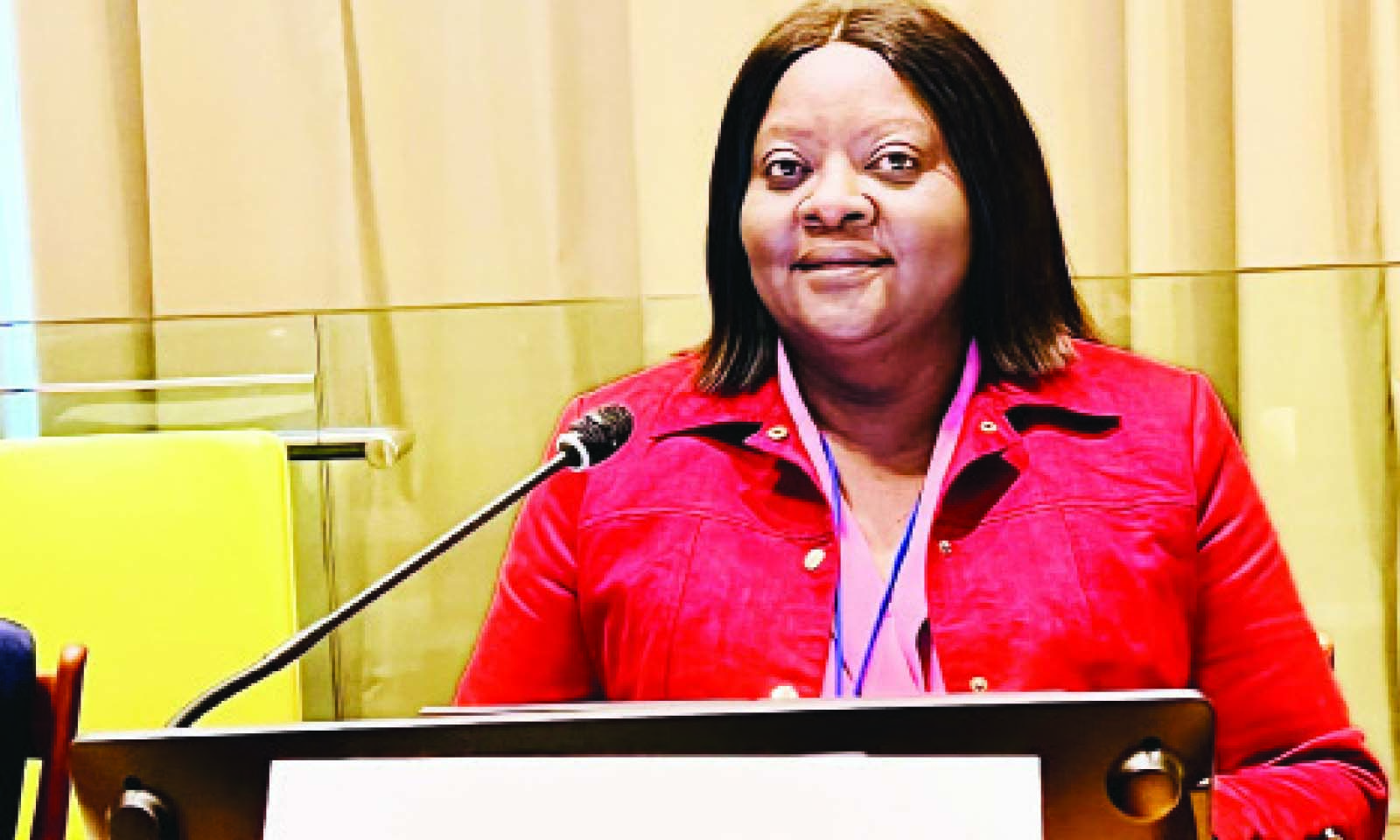
Zimpapers Politics Hub
Sadc has underscored the importance of deliberating on issues affecting dryland forests in light of the fact that over 50 percent of the Gross Domestic Product (GDP) in the Sadc region is derived from agriculture, mining and forestry.
A senior programme officer for Natural Resources and Wildlife at the SADC Secretariat, Ms Ndapanda Kanime said at a just ended meeting of the United Nations Forum on Forests (UNFF) taking place at the United Nations headquarters in New York.
Protecting dryland forests involves a multifaceted approach encompassing conservation, restoration, and sustainable management, recognising their crucial role in mitigating climate change, promoting biodiversity, and ensuring food security in vulnerable regions. This includes strengthening existing regulations and investing in landscape restoration.
Speaking as one of the panellists when SADC Secretariat and member States took part in a panel discussion last Wednesday on the call for action on dryland forests, organised by the National Centre for Vegetation Cover and Combatting Desertification of the Kingdom of Saudi Arabia and the Food and Agriculture Organisation (FAO), Ms Kanime called for urgent action to address the threat posed by land degradation, agriculture expansion, infrastructure development and impact of climate change which are exerting pressure on forest, water resources and soils.
“SADC has placed sustainable natural resource management at the heart of its integration and development agenda through the Regional Indicative Strategic Development Plan (RISDP) 2020-2030, implemented through the SADC Forestry Strategy, SADC Regional Biodiversity Strategy and the SADC Climate Change Strategy and Action Plan which provide a framework for integrated policy making and programme implementatio, “ Ms Kanime said.
The panellists stressed the need for building on the existing partnerships and use the tools, knowledge and momentum for forest management as a vital tool for global resilience, supporting biodiversity and climate resilience.
They also called for South-South cooperation and investment in capacity building on dryland forest conservation and management.
SADC member States have consistently called for intensified action to enhance communication and outreach to raise awareness on the value of forests and the need for sustainable forest management to combat the impact of climate change and enhance biodiversity.
In their contribution on the implementation of communication and outreach strategy of the United Nations strategic plan for forests 2017-2030, SADC member States highlighted their continued efforts to engage and disseminate information on national and regional forestry programmes and initiatives through various media platforms, including the commemoration of the International Day of Forest which was held on March 21, 2025.
The region also welcomed the proposal by the UNFF secretariat to explore the possibility of making the Forest Pavilion a recurring initiative at the Conferences of the Parties to the United Nations Framework Convention on Climate Change, in cooperation with the member organisations of the Collaborative Partnership on Forests and relevant partners, to keep the momentum in raising awareness of the significance of forests as a climate solution.
SADC is actively working to protect dryland forests through various initiatives, including the implementation of the SADC Protocol on Forestry and the development of regional programs.
Key strategies involve promoting sustainable forest management practices, combating deforestation and forest degradation, and fostering collaboration among member states, local communities, and international organizations.
The region has also developed several regional programmes to support the implementation of the protocol, including the Regional Cross-border Fire Management Programme, which focuses on reducing uncontrolled forest fires, which can have devastating impacts on biodiversity and local communities.
It has also initiated the SADC support programme on Reducing Emissions from Deforestation and Forest Degradation (REDD+). This programme provides support to member states in designing national REDD+ programmes and addressing regional-level REDD+ issues.
SADC Regional Forest Law Enforcement, Governance and Trade (FLEGT) Programme is one other instrument in place that aims to promote legal harvesting and trade in forest products and strengthen forest law enforcement and governance.
Panellists at the meeting included Ms Malgorzata Buszko-Briggs, team leader for Global Process and Governing Bodies, secretary of the Committee on Forestry, FAO economic and social affairs, Mr Amal Daej Aldaej, Iinternational relations advisor for the National Centre for Vegetation Cover and Combatting Desertification of the Kingdom of Saudi Arabia, Paula Prist, senior programme co-ordinator, Forest and Grasslands Team at the International Union of Nature (IUCN), Minoru Takada, deputy director for UNFF secretariat and Fritjof Boerstler, Global Coordinator of the GEF-7 Impact Programmes at the FAO headquarters.