admin
admin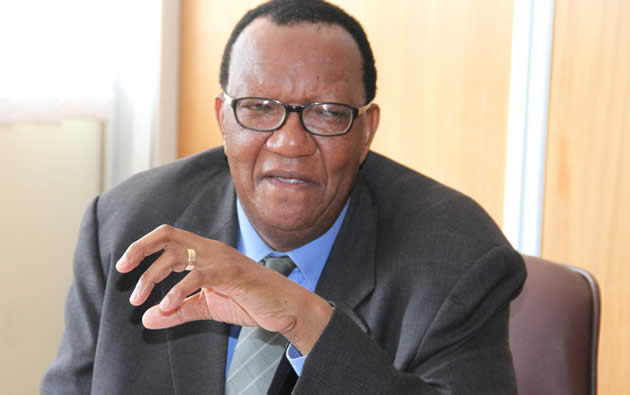
Leonard Ncube Victoria Falls Reporter—
GOVERNMENTS in the Sadc region are assessing the crop situation in their respective countries amid concerns the whole region could face serious famine this year due to crop failure. Agriculture, Mechanisation and Irrigation Development Minister Dr Joseph Made said yesterday the government was working on importing grain ahead of the anticipated drought.
Dr Made, who officially opened the African Seed Trade Association (AFSTA) 2015 congress in Victoria Falls yesterday, said all 14 member states of the bloc are in the process of assessing how much yield will be harvested this year.
He said more than 75 percent of crops in southern parts of the country were almost a write off.
“The crop situation is not only in Zimbabwe, it’s devastating in the whole of southern Africa. As we speak South Africa is importing 1.7 million metric tonnes of maize because of crop failure and as Sadc bloc we’re going to look at the crop establishment and work out what the region is likely to harvest.”
Zimbabwe chairs the Sadc food sector following President Mugabe’s assumption of the organisation’s chairmanship last August.
Dr Made said it was early to tell how much maize Zimbabwe needed to import because the process of crop assessment was still on and the country was only two-thirds into the cropping season.
“In Zimbabwe, crops in some areas are more than 75 percent write-off especially in parts of the southern region while the northern side is a bit better,” he said.
As an intervention measure, the Minister said, Cabinet had given the green light to food players including grain millers to import grain.
“The Cabinet position is that we’ve given food players an opportunity to import grain.
“If South Africa is importing that means the situation is bad. We’re now assessing the crop situation and we can’t give figures yet as we’re only two-thirds into the season,” he said.
Dr Made said the region was facing climate change challenges where temperatures were suddenly changing thereby affecting rainfall patterns.
He, however, said there was still a bit of hope for the late crop to survive owing to light showers falling in most parts of the country.
Dr Made said there was a need to capacitate irrigation facilities through the irrigation department as well as encouraging water harvesting.
“This is the time when we should talk about irrigation. We’re reasonably lucky to have some reservoirs and people should take advantage of the light showers to fill these reservoirs to sustain the little we have,” he said.
Addressing the congress earlier, Dr Made said food security depended on a viable agricultural sector supported by production of quality seeds by the seed industry.
He also paid tribute to the seed makers for partnering the government during the land redistribution programme to empower new farmers.
The four day congress ends today. Delegates are discussing issues ranging from challenges facing the seed sector such as drought, diseases, soil fertility, and climate change, among others.
They said these factors were negatively affecting food security in the region.



 Online Reporter