Online Reporter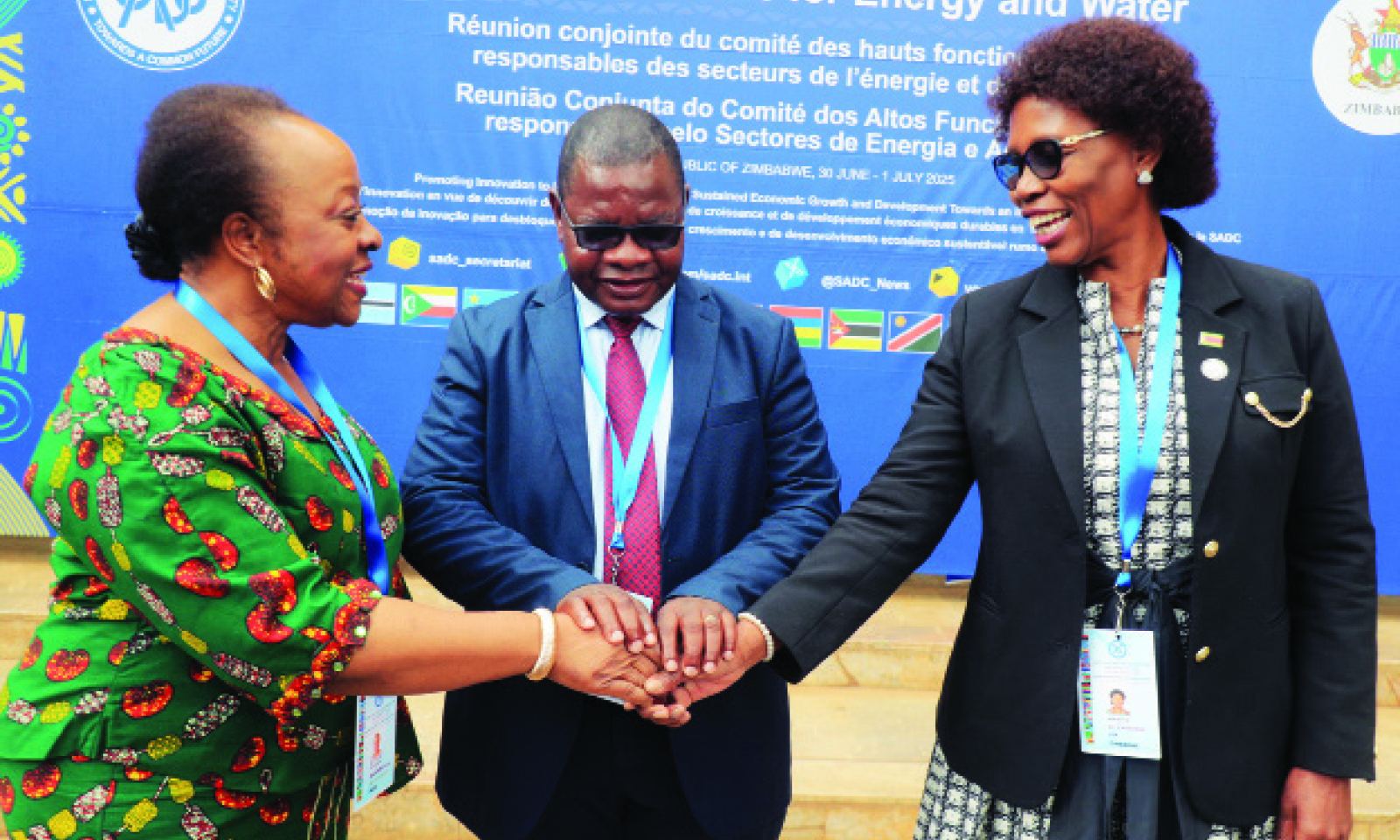
Ivan Zhakata
Herald Correspondent
Sadc has stepped up efforts to strengthen regional cooperation in energy and water management, with senior officials gathering in Harare for the opening of the 43rd Joint Meeting of Ministers Responsible for Energy and Water.
In a session marked by urgency and unity, Permanent Secretary for Energy and Power Development, Dr Gloria Magombo, said the region had a shared vulnerability to climate-induced shocks and called for collaborative solutions.
“We face a triple crisis, rapid population growth, climate change and rising energy and water demand,” she said.
“These challenges do not respect borders. They demand a unified regional and continental response.”
Dr Magombo warned of the severe impacts of climate variability on hydropower infrastructure in the region, particularly at Kariba Dam, a shared resource between Zimbabwe and Zambia.
“At one point, generation dropped below 25 percent, underscoring the urgent need for water and energy infrastructure resilience,” she said.
Achieving Zimbabwe’s Vision 2030 of an empowered upper-middle-income society hinges on energy and water security, added Dr Magombo.
“Universal access to energy and water ensures inclusion, equity and leaves no one and no place behind,” she said.
She also lauded SADC’s regional interconnection efforts and Zimbabwe’s strategic role in regional energy logistics.
SADC Deputy Executive Secretary for Regional Integration Ms Angele Makombo N’tumba commended progress since the 42nd Joint Ministerial Meeting in Luanda, Angola.
She said the bloc has made significant milestones such as the signing of the Amended SADC Protocol on Energy by eight member States and the commissioning of 2 885 megawatts of new generation capacity across the region.
“Despite these achievements, we continue to face a generation shortfall of 4 509MW among interconnected member States,” said Ms N’tumba.
“This is why accelerating the operationalisation of the Regional Transmission Infrastructure Financing Facility (RTIFF) is non-negotiable,” she said.
Ms N’tumba said upcoming initiatives include the Retrade-SA Programme funded by the World Bank, which aims to boost power trade by 25 percent, enable 2 gigawatts of renewable capacity and reduce emissions by 9 million tonnes of Carbon dioxide were important.
She further welcomed the region’s commitment to climate-resilient infrastructure and praised the commissioning of the Kazungula Water Supply Project in June.
“Water security remains a critical pillar of our integration agenda.
“We must continue investing in resilient infrastructure that can withstand the growing frequency of floods and droughts,” she said.
Delegates were urged to develop actionable recommendations ahead of the ministerial meeting on July 4 and said the region has a shared commitment to Agenda 2063, the UN Sustainable Development Goals and a secure, sustainable future for all Southern Africans.