Online Reporter
Theseus Mauruki Shambare
EL NIÑO-induced droughts, food security and regional climate resilience will dominate discussions when SADC Ministers responsible for Agriculture, Food Security, Fisheries and Aquaculture meet in Victoria Falls next week.
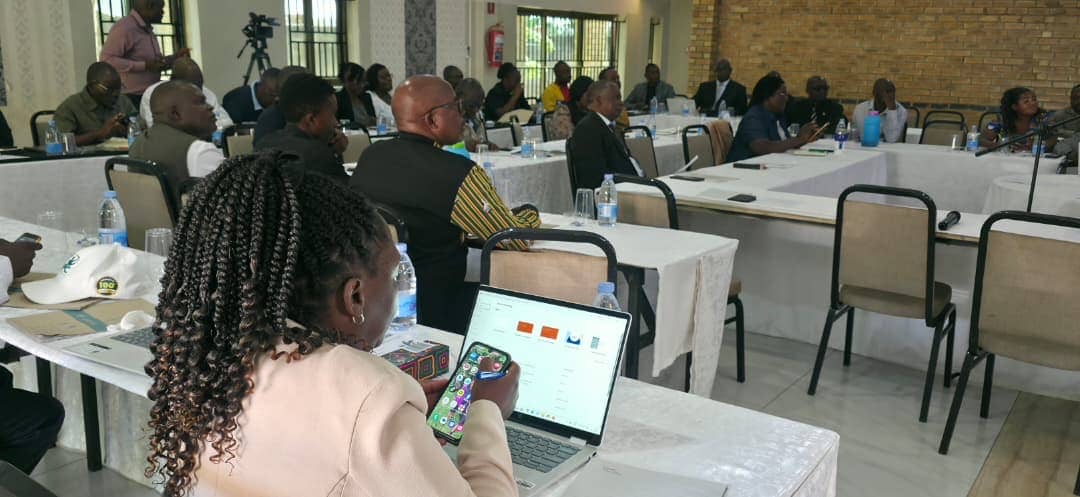
Zimbabwe will host the high-level regional summit from May 29, with senior government officials from SADC member states expected to convene ahead of the ministerial meeting from May 27 to 28.
According to a SADC statement, the summit will deliberate on key regional agricultural and fisheries issues aimed at strengthening food and nutrition security as well as advancing the blue economy across Southern Africa.
The ministerial meeting will be chaired by South Africa’s Minister of Agriculture, Land Reform and Rural Development, Honourable John Henry Steenhuisen, in his capacity as chairperson of the Joint Committee of SADC Ministers of Agriculture and Food Security, Fisheries and Aquaculture.
In an interview, Permanent Secretary in the Ministry of Agriculture, Mechanisation and Water Resources Development Professor Obert Jiri said the summit comes at a critical time for the region as countries confront increasing climate-related threats affecting agriculture and food production.
“This SADC Ministers’ meeting is critical for Zimbabwe. We are going to see all SADC member states congregating in Victoria Falls to look at agricultural and fisheries issues as they affect the region,” said Prof Jiri.
“It is critical that the SADC bloc plans together because we are in a common region where all the issues that affect agriculture must be looked at collectively in order to come up with common responses.”
Prof Jiri said the summit would focus heavily on regional preparedness following the devastating El Niño-induced drought that affected Southern Africa in 2024.
“If you reckon in 2024, during the worst El Niño-induced drought in Southern Africa, Zimbabwe was at the epicentre of the drought. However, we managed to respond critically.
“There were no devastating impacts because the planning was meticulous.”
He said Zimbabwe’s wheat-based food security strategy played a crucial role in cushioning the country from severe food shortages during the drought period.
“The hosting of this SADC summit signifies an important step towards recognising that Zimbabwe is a key player in terms of agricultural planning and response to climate change and its vagaries,” said Prof Jiri.
According to SADC, ministers will review the current food and nutrition security situation in the region, assess the 2025/26 rainfall season and production outlook and consider forecasts for the 2026/27 agricultural season.
The summit will also deliberate on the Fifth Biennial Review of the Comprehensive Africa Agriculture Development Programme and strategies to advance youth participation in agribusiness.
Other agenda items include updates on the SADC Rice Development Strategy, regional crop development programmes, harmonised fertiliser regulatory frameworks and fisheries governance initiatives.
Prof Jiri said the summit would also discuss coordinated regional responses to climate change, red locust outbreaks, Foot and Mouth Disease (FMD) and forecasts of another severe El Niño event in the region.