Chronicle Editor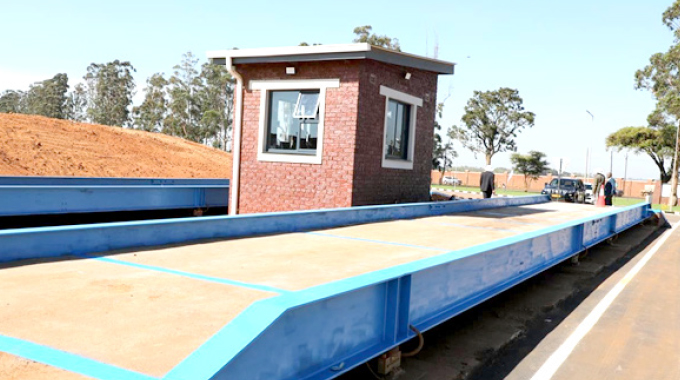
Station 1: Weighbridge
FOR accurate measurement of waste delivered on-site, we have constructed a weighbridge system at the entrance which weighs waste vehicles on arrival, records and verifies load data and reweighs the vehicle once the load has been deposited. We have installed two weighbridges connected to two traffic lanes, allowing us to serve multiple trucks simultaneously. In addition to accurate weighing of waste, we have a data capturing system in place to record the customer’s details, type of waste brought in, vehicle registration number, customer’s address, area where waste was collected, time of waste arrival, and waste weight details.
Station 2: Encapsulation
Encapsulation, our chosen method for managing pre-existing waste accumulated over the years, involves covering the waste with layers of geo-membrane and geotextile. This is followed by a protective layer of soil where vegetation like lawn, trees, and bushes can thrive. This approach will be applied to 15 hectares of land, effectively addressing waste accumulated over the past two decades.
Encapsulation stands out as an optimal solution for managing existing waste. By effectively sealing off the waste, it curtails the release of greenhouse gases such as methane, nitrous oxides, and sulphur oxides into the atmosphere. This containment significantly contributes to mitigating the adverse effects of global warming and climate change.
Embracing encapsulation not only transforms wastelands into green spaces but also plays a vital role in environmental conservation by minimising harmful emissions.
Station 3: Concrete Plant
After carefully evaluating the costs associated with concrete per cubic metre, we made the strategic decision to construct our own batch plant due to its economic feasibility. As a result, we have successfully completed the construction of a 60 cubic metre per hour batch plant to support the concrete requirements of our waste-to-energy plant, which primarily consists of concrete structures. Once we finish construction, we will venture into the business of selling that concrete.
Station 4: Landfills
The Geo Pomona Waste Management site will have three different types of new landfills the area will be capacitated with a landfill for the disposal of Municipal solid waste, a landfill for the disposal of ash from the waste to energy plant and a landfill for hazardous waste.
A system of engineered landfills (three cells) is under construction to guarantee the whole deposit of the whole production of waste. These new landfills are being built according to local legislation with stakeholders such as EMA, City of Harare, Ministry of Health etc. The first cell for deposition of hazardous waste has been constructed and it has been lined with clay, geo-membrane and geotextile to prevent waste interaction with the environment. A system of piezometers has been set up in place to allow continuous monitoring of the environment’s surroundings. A drainage system has also been set up to allow collection of the black water (Leachate) for water treatment.
The other cells will be for ash which is a by-product from the waste-to-energy plant. We intend to collaborate with cement manufacturers and road construction companies who can use this fly ash in their operations. The third cell will be for municipal waste (mainly organic which is of low calorific value) and this cell can also be used for waste disposal during the maintenance days (downtime) of the waste-to-energy plant.
Station 5: Water pools
The leachate will be collected in two water ponds which will serve as deposits for leachate before treatment in the Wastewater Treatment Plant.

Station 6: Waste water treatment
The water treatment plant is designed to treat the leachate produced by all the new landfills. The Wastewater Treatment plant performance will ensure the discharge of the leachate and other waters produced within the operations in a surface water body in compliance to the EU Standards. The capacity of the plant will be 300 m3/day. This potentiality appears reasonable for the dimensions of the landfill.
The components of WTS are:
Storage tank and equalisation
Aeration tank and biological oxidation
Ultrafiltration Module
Osmosis double stadium
The final products generated from the treatment system are two: purified water (98-99%) that will be discharged in the surface water network present and the concentrate (1-2%) that will be recycled in the same landfill to increase the production of biogas and to the maintenance of pollutants in the landfill.
Station 7: The sorting plant
The construction of our waste recycling and sorting plant is a crucial step in adhering to the principles of waste management hierarchy and our commitment to the “Zero-Waste to Landfill” policy. This facility will employ a comprehensive selection process for incoming waste, aligning with global waste management directives.
Our sorting plant is designed to separate bulky materials and recyclable fractions from the incoming waste stream. It’s imperative to adhere to this hierarchy as we aim to avoid incinerating recyclable materials, which is not considered best practice. Additionally, the plant will strategically select and generate waste with optimum calorific power for our Waste to Energy Plant.
Utilising a combination of mechanical and manual sorting methods, our facility will maximise the recovery of recyclable materials such as metal, glass, and plastic. The inclusion of manual sorting not only enhances the efficiency of our sorting process but also provides opportunities for workforce engagement and empowerment within the project.
The structure of the sorting plant comprises four distinct areas:
Waste reception area: Where all collection vehicles discharge the waste to be processed.
Manual selection area: Dedicated to the sorting of bulky and recyclable materials manually.
Mechanical sorting area: Utilised for the automated separation of waste and the sorting of ferrous and non-ferrous materials.
Loading area: Where selected fractions are loaded onto transport vehicles for transportation to end systems, including incineration plants, recycling facilities, and landfill sites.
Through the implementation of advanced sorting technologies and a meticulous operational framework, our sorting plant represents a pivotal component in our sustainable waste management strategy.
Station 8: Recreational facilities
As part of our Corporate Social Responsibility, we have constructed a sports field consisting of a Fifa-certified soccer field, two tennis courts, and two basketball courts. The construction of a public recreational facility provides valuable space for residents to relax and enjoy outdoor activities. A place that was once shunned and was in a deplorable state has successfully been transformed into a beacon of excellence — a fully operational waste management site with recreational facilities open to the public.


 Online Reporter