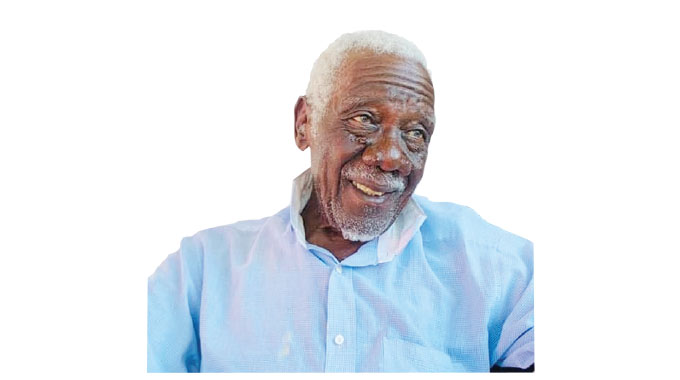
Chronicle Editor
Peter Banga Correspondent—
WHEN I entered Cheshire Home in Harare one Friday night, I was suddenly struck by something that is difficult to explain. A sombre silence hung about the place which houses at least thirty people with various disabilities including those with cerebral palsy, spinal injuries and amputees.The people at the home are self-reliant through ventures such as selling fruits, flowers, cooking and selling sadza and providing mobile money transfer services. They pay for their own electricity, water and salary for the caretaker who keeps the place and the surrounding area clean. Unlike in most instances, they are tenants who look after themselves rather than dependent inmates.
I am familiar with Cheshire Home having visited the area a number of times to use the internet, which is a business venture run by one of the group members. In the past, I would see the tenants chatting casually to passers-by at the entrance, but this time I had to walk right through the gate before I saw them holding a crisis meeting which painted a very gloomy picture on the obtaining state of affairs.
I felt as if I had got to a funeral wake.
Earlier in the week, the Constitutional Court had dropped a bombshell that the tenants should be evicted with immediate effect, as demanded by the Cheshire board of trustees.
In their presentations to the court, the board had argued that the tenants had overstayed and should find alternative accommodation elsewhere.
The story would have made sense if it ended there — but there is a compelling angle that needs to be re-examined and told over and over again.
Developments at Cheshire home are not ordinary because they bring into the spotlight critical human rights issues concerning people with disabilities.
To start with, should we evict such people when we have not provided alternative accommodation for them?
What message are we sending to the world? The United Nations Convention on the Rights of People with disabilities, to which Zimbabwe is a signatory, recognises the rights of such people to an adequate standard of living for themselves and their families, including adequate food, clothing and housing.
What is happening at Cheshire Home is a flagrant and direct violation of this right. Cheshire Home is no ordinary facility. There are ramps all over for the convenience of wheelchair users. The toilets are roomy with assistive fittings for people with disabilities. All the rooms have wide door frames and sliding doors.
Accessibility and convenience are very important considerations for such people. Leonard Cheshire must have had this in mind when he constructed such homes. His was a vision that saw as paramount provision of dignified living spaces for those with disabilities. We have said time and again that the infrastructure in Zimbabwe is not user-friendly for such people. Cheshire Home is a good pointer of exactly what we should do to our buildings and surroundings.
The home is located close to the central business district and is a stone’s throw away from the Avenues Clinic and Parirenyatwa, one of the country’s major referral hospitals.
The tenants do not have to struggle each day to get onto commuter omnibuses to do business in town. Some of them require regular medical attention. Two years ago, one of the tenants, Lewis Garaba told me how the location was convenient for many of them:
“Many people with spinal injuries cannot control their bowel movement. They use urine bags and at times they soil themselves. If that happens while they are in town they can easily come back home and change.”
The Cheshire board of trustees should be telling the nation that they have constructed countless disability user-friendly facilities in other places in the country, instead of engaging in a tug-of-war with the very people whose interests they are supposed to serve.
What is there to show they have the welfare of people with disabilities at heart? In the past twenty years, they have not repainted the home or even made improvements.
We are privy to the fact that the Cheshire board of trustees is composed entirely of people without disabilities. The same goes for its management committee. Surely, this state of affairs is untenable. What is happening now was going to happen anyway given that we have people in charge who do not understand their constituents.
It is important for us to reflect on the fact that the eviction is being made at a time the nation has joined other members of the global community in commemorating International Day of People with disabilities on December 3.
We are pushing the disability agenda more and more into the background through actions such as this eviction.
We should also closely examine how the courts handled the issue. It would have been proper if the judges had carried out in loco inspection of the facility.
This would also have been an opportunity for the media to learn more about a disability user-friendly environment. Up to now do the judges know what a disability-user friendly environment is? Such an appreciation was important before pronouncing that the eviction should go ahead.
Interestingly, this development is taking place in the context of the 9th Global conference on Health Promotion which was held in Shanghai China, from November 2016 under the auspices of the World Health Organisation which was also attended by the Minister of Health, Dr David Parirenyatwa.
The theme of the conference was “Health for All and All for health.” Delegates from around the world resolved that no one should be left behind in matters of health promotion as we move towards achieving the 2030 health goals on sustainable development.
Everyone should be literate in matters of personal health such as obesity, tuberculosis, diabetes, HIV/Aids and high blood pressure. For people with disabilities, health literacy means having better access to sunscreen lotions and spectacles for those with albinism, access to screen reader software and talking robots at traffic intersections for those who are visually-impaired, inclusion of sign language in the school curriculum for those who cannot speak or hear and availing of artificial limbs to amputees.
Health literacy for those with disabilities also means living in an accessible environment with ramps and well-constructed walkways.
We should also redesign our homes to make them accessible to those with disabilities. One day we might need them when we grow old or when we are involved in an accident.
Places like Cheshire shall forever remain important reference points when we want to learn more about accessibility.
I think the Cheshire board of trustees should convince the nation that they have people with disabilities at heart by working with local authorities to make the environment user-friendly, instead of fighting tooth and nail to push their constituents out.
In any case, are they not living comfortably in their own homes? Jairos Jiri loved people with disabilities and left a legacy that is cherished the world over.
By choosing to throw out people with disabilities, the board risks leaving behind a legacy of bitterness.
They should move away from the brink.
I am worried that MP’s and Senators choose to keep quiet when an event like this happens. Mr. Joshua Malinga is secretary for people with disabilities in the politburo and Dr. Timothy Stamps is a special advisor on disabilities and health in the office of the President. We need their voices at this time, not the silence we are getting.
At the evening meeting at Cheshire Home, there was a glimmer of hope. There were three people without disabilities who showed they were deeply touched by the pending eviction. One of them, Denial Chimuti said something I found uplifting:
“There is a conflict here, but this is an opportunity for all of you here to teach the nation that people with disabilities are not generally stubborn. Other young people like you should know that they should not budge when their rights are being trampled upon.”
The sad ad unfortunate developments at Cheshire Home flies in the face of the 2016 theme on the International Day of Persons with Disabilities “Achieving 17 Goals for the Future We Want”. The theme draws attention to the 17 Sustainable Development Goals and how these goals can create a more inclusive and equitable world for persons with disabilities.
The annual theme provides a frame for considering how people with disability are excluded from society by promoting the removal of all types of barriers; including those relating to the physical environment, information and communications technology (ICT), or attitudinal barriers.
Peter Banga is Head of Harare Polytechnic School of Journalism and Media Studies. He can be contacted on: [email protected]



 Online Reporter