Patrick Chitumba, [email protected]
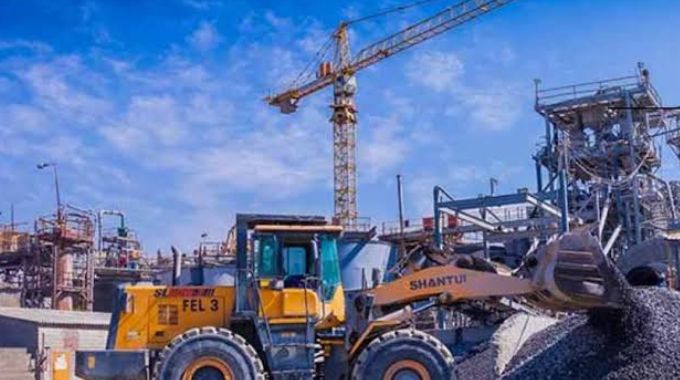
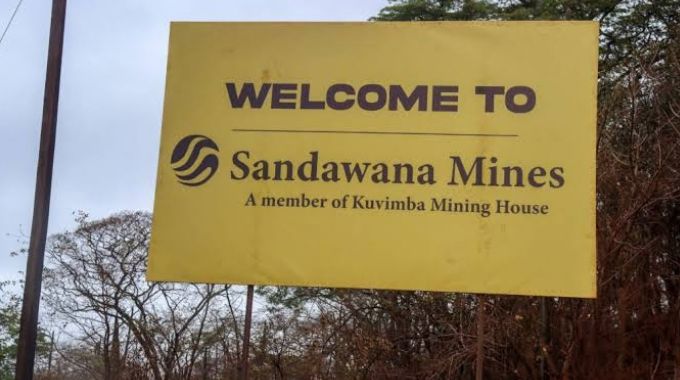
SANDAWANA Mine has contracted three companies to tar a 53 km stretch linking it to York Business Centre in Mberengwa, improving access to its US$430 million lithium plant in a development expected to unlock mining, trade, and investment opportunities in the district.
The project, which has so far created jobs for nearly 100 people, started on September 3 and will see Fossil, Shumba Mhazi and Masimba Construction each tar 17,3 km of the road. It will provide an all-weather link between Sandawana and the existing 50km tarred Zvishavane-York Business Centre Road.
The development comes as the Second Republic intensifies investment in road infrastructure to support economic activity, improve connectivity and open up productive areas, in line with Vision 2030 and the National Development Strategy 2 (NDS2).
The Government’s infrastructure development thrust places emphasis on improving transport networks as an enabler of industrialisation, investment, rural development and fast movement of goods and people.
For mineral-rich Mberengwa, the Sandawana-York Road is expected to play a critical role in connecting mining operations to the national road network and markets, while also supporting the Government’s drive for value addition and beneficiation in the mining sector.
Mberengwa District Development Coordinator Mr Vafios Hlabati said the project will improve access to the rapidly expanding Sandawana mining complex and create opportunities for communities and businesses along the corridor.
“Sandawana Mine has contracted Fossil, Shumba Mhazi and Masimba Construction companies to tar the 53km York-Sandawana Road. In addition, Masimba will rehabilitate Mutsime Bridge, which is near Sandawana Mine,” he said.
“The road makes it easy to access the US$430 million lithium processing plant built at Sandawana Mine.”
The road is already beginning to change the economic landscape along the route, with new lodges and filling stations being developed to cater for increased traffic and demand for services.
Mr Hlabati said improved connectivity will also reduce travelling time and ease the movement of people and goods.
“It will shorten travelling time and improve connectivity with other areas including links towards South Africa. A total of 93 locals have been employed by the three companies,” he said.
The road is particularly important given the rapid expansion of mining activities in Mberengwa, where lithium, gold and other minerals are being extracted.
For years, the 53km stretch between York Business Centre and Sandawana was a dust road despite York being connected to Zvishavane by a tarred road, creating transport challenges for communities and businesses.
Mr Hlabati said the new road will help address some of those challenges while improving the district’s investment prospects.
“The new road is therefore expected to improve the movement of minerals from mines, reduce transport challenges and create a more favourable environment for investment and businesses along the corridor,” he said.
Chief Bvute welcomed the project, saying improved road infrastructure will connect Mberengwa to other parts of the country and stimulate economic activity.
“This road is critical in connecting Mberengwa to other places,” he said.
The project also dovetails with the Government’s broader road rehabilitation and upgrading programme, which seeks to improve connectivity between communities, economic centres and productive sectors while supporting decentralised development.
Under the Second Republic, road rehabilitation has increasingly been linked to economic development.
Mberengwa Rural District Council chief executive officer Mr Thompson Maeresera said the project was consistent with the Government’s industrialisation and value-addition agenda.
“Improved transport networks are critical to moving raw materials, finished products and people.
The new road is expected to provide an important link between the district’s expanding mining economy and markets beyond the district while creating opportunities for small businesses such as lodges, fuel stations and other such enterprises,” he said.
The road investment comes as Sandawana continues to position itself as a major lithium producer whose processing plant is expected to anchor downstream economic activities.
The project also fits into the broader thrust of ensuring that infrastructure development keeps pace with Zimbabwe’s expanding productive sectors, particularly mining as the country pursues an upper-middle-income economy by 2030.