Chronicle Editor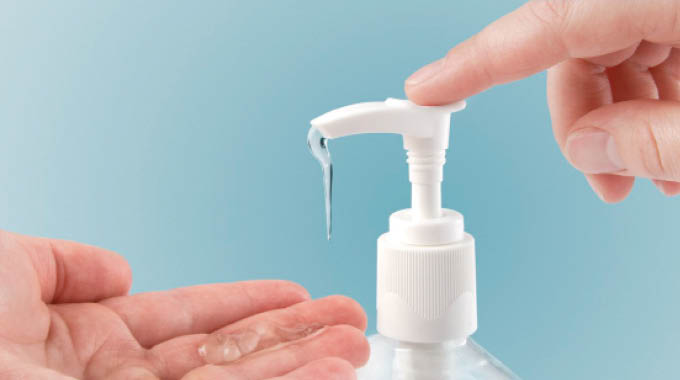
Thandeka Moyo-Ndlovu , Health Reporter
ONLY 21 percent of households in rural areas have access to hand sanitisers, the recently released Zimbabwe Vulnerability Assessment Committee (ZimVac) 2021 report has revealed.
According to the report, Matabeleland North has the least number of households with sanitisers compared to other provinces.
Statistics from the Ministry of Health and Child Care show that new cases have been on the rise over the past week which prompted the Government to impose a dusk to dawn curfew among other measures to curb the spread of the global pandemic.
The World Health Organisation, which estimates that Covid-19 will continue to be a health issue for the next three years, recommends that in order to avert the spread of the virus, members of the public must properly wear masks, practise regular hand hygiene and social distancing of at least one metre.
According to the ZimVac report, only 21 percent of households reported that they could afford Covid-19 PPE and accessories countrywide.
As at July 4, 2021, Zimbabwe had 54 474 confirmed cases, including 40 239 recoveries and 1 878 deaths.
To date, a total of 793 077 people have been vaccinated against Covid-19.
Commenting on the report, the Community Working Group on Health project team leader Mrs Nonjabulo Mahlangu said the shortage of sanitisers could reverse the gains made in the fight against the global pandemic.
She said village health workers were empowering communities to produce tippy taps to be placed at public facilities to instill the culture of frequent hand washing.
“Most things in the rural areas are communal and hence a lot of sharing happens which means social distancing cannot be practised. Gatherings are still being conducted despite warnings that we continue to get from health experts and it is very difficult to stick to recommended numbers and adhere to the guidelines,” said Mrs Mahlangu.
“Limited use of sanitisers or general washing of hands will affect the gains that have been made so far. There is a need to intensify our awareness raising activities and to teach communities the culture of washing hands. Without sanitisers or soap and water, they can also use umlotha (ash) as it is good enough.”
A village health worker from Lupane Ms Esnathy Mdlongwa said many communities were still not aware of the importance of sanitising as they associated Covid-19 with urban areas.
“We did not receive adequate information on sanitisers and many still think Covid-19 is for those in towns hence they do not prioritise hand washing.
“The other issue relates to resource constraints as people do not have extra income which enables them to afford sanitisers,” said Ms Mdlongwa.
She appealed to well-wishers who donate sanitisers to remember communities in rural areas who cannot afford to even purchase soap for their households.



 Online Reporter