

 admin
admin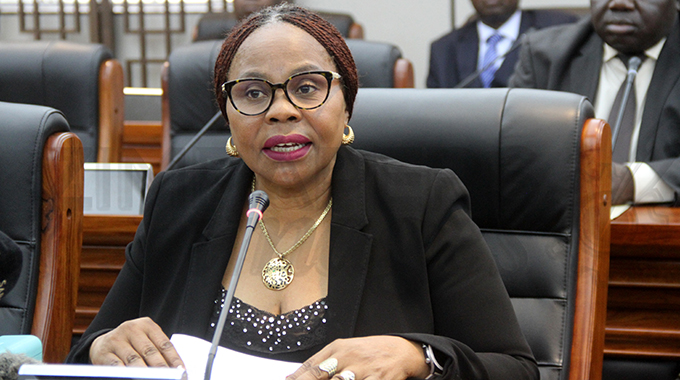
Sifelani Tsiko
Agric, Environment & Innovations Editor
The Southern African Research and Documentation Centre (SARDC) and UNESCO Regional Office for Southern Africa (ROSA) have launched two new publications that aim to support regional news organisations in the coverage of natural disasters affecting the region.
The two publications titled: “Response to Cyclone Idai by Media in Zimbabwe: An assessment,” and another: “Disaster Risk Reduction — The Case of Cyclone Idai,” were launched recently at a virtual media workshop on Reporting Disasters in the SADC region.
Al-Amin Yusuph, UNESCO regional adviser for Communication and Information hailed researchers at SARDC and other partners for producing the publications which sought to help news organisations in the SADC region to mainstream the coverage of natural disasters in a reliable and accurate manner.
“The launch of these two publications is very important for the news organisations in the region,” he said. “It will enable SADC citizens and regional and international partners to get correct and up-to-date information on natural disasters such as Cyclone Idai.”
SARDC executive director, Munetsi Madakufamba said the new publications will help regional news outlets to tell the SADC story in a better way at a time when there was need to curb the misinformation and generalisations churned out by the global media.
“We have been able to tell our own story and with these two new publications, we should get important lessons on how we can tell our own regional story in a better and effective way,” he said.
“The story about Cyclone Idai gripped the attention of the world and the publications offer useful insights on the important elements of what happened.”
Reducing future disasters is at the heart of the two publications which track media coverage of Cyclone Idai of 2019 – one of the worst tropical storms to ever affect Africa and the southern hemisphere which tore through central and southern Mozambique, southern Malawi and eastern Zimbabwe causing severe flooding and destroying infrastructure and large tracts of crop-land in the three Sadc countries.
An estimated three million people in the three countries were affected.
The reports broadly introduces the response of the media in Zimbabwe to Cyclone Idai and analyses the current capacity of the media for disaster reporting.
It highlights significant institutional and individual challenges and gaps the media faces in providing accurate and timely information and gives ideas for the media and other stakeholders to work together to improve the abilities of the media in future disaster reporting.
In the foreword, Information, Publicity and Broadcasting Services Minister Senator Monica Mutsvangwa said the media were essential service providers for citizens and governments during disasters and emergencies.
“The production and dissemination of timely and accurate information provides people with crucial lifesaving knowledge which can empower the planning and actions for effective responses,” she wrote.
“The need for media to play an active and timely role in providing information to those affected by the disaster cannot be overemphasised — before, during and after. Yes, tell us what we did wrong, it was an emergency and decisions had to be made quickly, but we also did some things right, so please tell us that too.”
Minister Mutsvangwa said the publications will help to provide information that is necessary to guide informed decision-making and efforts to empower SADC citizens in terms of access to accurate and reliable information on natural disasters.
“Media coverage analysis is not only about numbers and access, but about the quality of the reporting, its accuracy and reliability, the amount of research and understanding involved,” she said.
“One well-researched report may have more impact than 10 that are thin on information or poorly presented. Human disasters need “good news” stories as well as the bad, and there were plenty about the responses by individuals, organisations, government and neighbours.”


 Online Reporter