admin
adminorigin.
Biblos made these claims just before he performed at the Coca-Cola Injabulo Kuphela concert which marked the end of the Zimbabwe International Trade Fair and was organised by Coca-Cola.
Biblos was also in Bulawayo last weekend to stage a one-off performance at the 52nd edition of the ZITF and claims he managed to track his roots to Kwekwe, where he says his origins lie.
“I know almost every part of Zimbabwe. My grandfather lived in Kwekwe but I am not quite sure of the place,” he said.
Biblos said Zimbabwe was his second home after South Africa where he was born and raised.
He, however, could not bring himself into disclosing his tribe or village he was from.
“Back home they call me Zim Boy because I am always in Zimbabwe. To be honest with you I love Zimbabwean crowds because they have got much-needed energy to liven up a show,” he said.
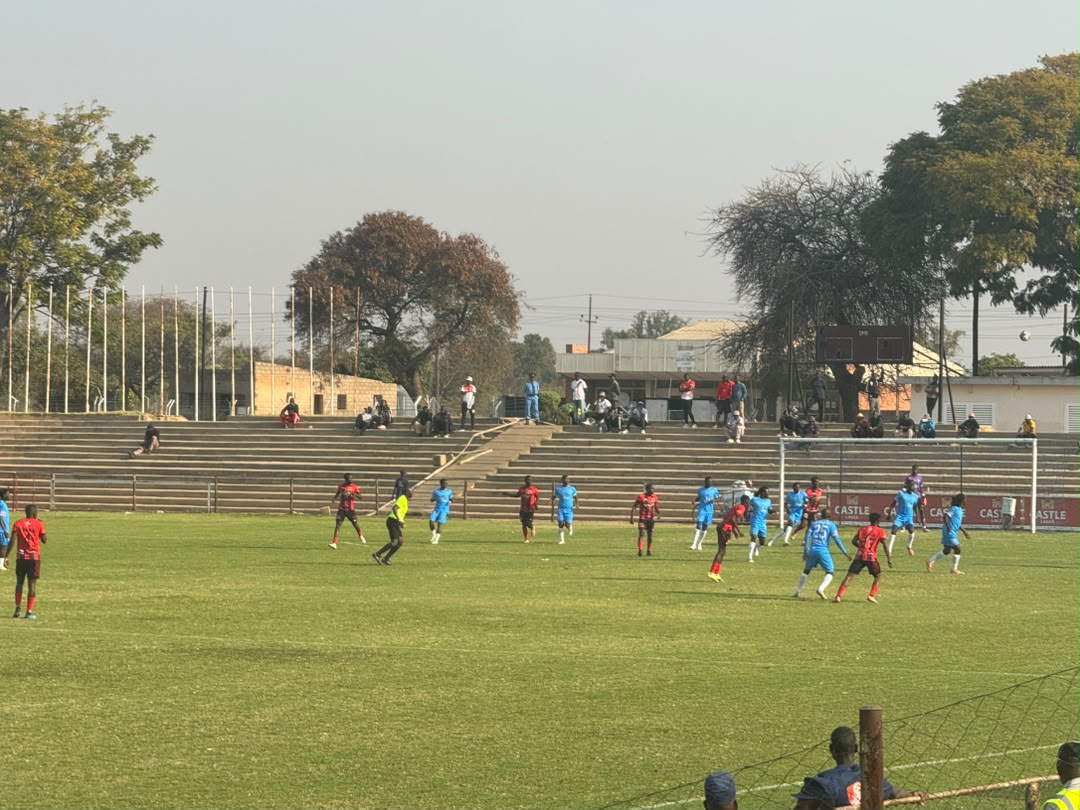
The Xandehla hit maker, in an effort to certify his claims, said he was a passionate Highlanders Football Club supporter and even chanted some of the club’s popular slogans, Wakhala umantengwane wakhala kwaze kwasa”.
Biblos shared stage with South African kwaito artiste Brickz and some local artistes who included Winky D.
Biblos, who is presently riding high in the South African showbiz industry for tracks such as Julius Malema, was nominated at the Namibia Music Awards for the song and video of the year.
“It is quite an honour to be part of the Namibian awards. This is actually proving that my music is being listened and appreciated by some other African countries and I am quite happy,” said Biblos.
The track Julius Malema is a hit single taken from his album “Son of the Soil”, which was released in June last year and has sold well in Namibia, Zimbabwe and Angola.
He mentioned that he had managed to sell close to 12 000 copies and the track (Julius Malema) was rated number one on three of Namibia’s radio stations.
He, however, mentioned that he was not intrigued b y the way people in South Africa perceived the song as compared to neighbouring countries.
“Local people do not appreciate our kind of music compared to international artistes,” he said.
Biblos’ rise to stardom in 2009 with tracks such as Activator and Ayoba, which he collaborated with DJ Bobo and coined the South African term Ayoba.
“Ayoba was my idea and I am glad that it the song that got me recognition in this industry. Thanks to my friend Bobo who made this song a success as well. I am happy that people liked my song, even adverts now use my phrase, Ayoba,” he said.
His song Activator was interpreted in different contexts his audiences, which he said people would always have different meanings to a lot of things.
“People will always come up with different meanings of the song and that will be based on what they think. Everyone has a right to express themselves and that’s the one thing we can’t deprive them of,” said Biblos.


 Online Reporter