Online Reporter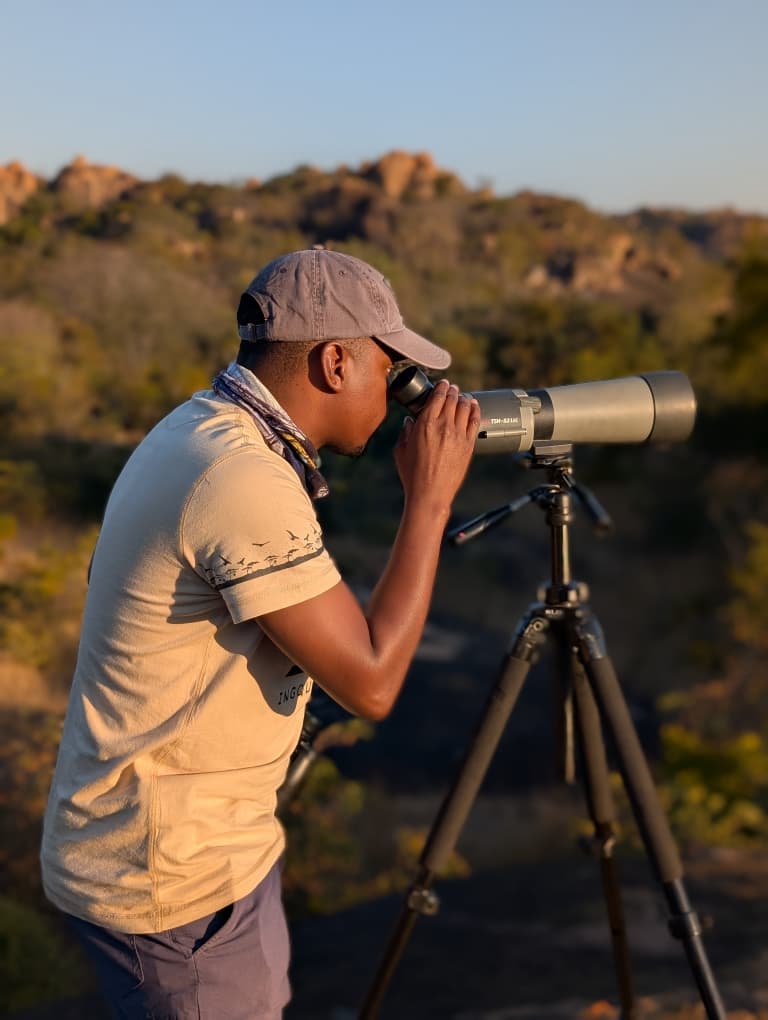
Mbulelo Mpofu Sunday Life Reporter
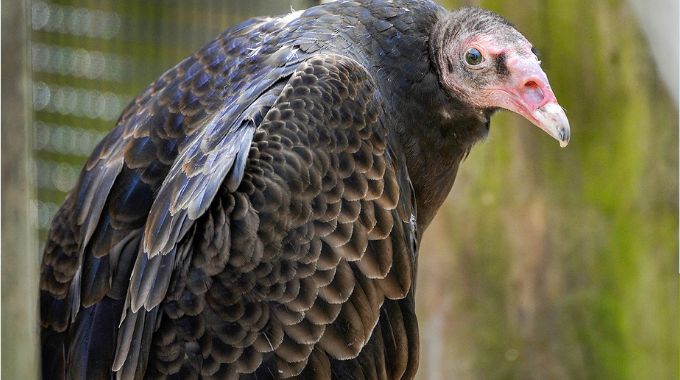
THE often-maligned vulture is set to become the unlikely muse for Zimbabwe’s next generation of artists as conservationists turn to creativity to change public perceptions of one of nature’s most misunderstood birds.
In commemoration of International Vulture Awareness Day (IVAD) 2026, celebrated annually on the first Saturday of September, BirdLife Zimbabwe’s Matabeleland Branch Committee and the
Natural History Museum of Zimbabwe have launched an open call inviting artists aged 35 years and below to explore and express the vital ecological role of vultures through visual art under the theme, “Vulture Interactions”.
The exhibition will form part of commemorations to be held at the Natural History Museum of Zimbabwe in Bulawayo on September 6, bringing together conservationists, artists, young people and members of the public in a united effort to spotlight a species facing an increasingly uncertain future.
Paintings, drawings, photos, digital art, mixed media and installations will dress the Natural History Museum of Zimbabwe in Bulawayo walls.
One of the leaders of the initiative, Mthabisi Bafana Charles Khumalo, curator of the Ornithology Department at the Natural History Museum of Zimbabwe and Special Species and Raptors
Coordinator for BirdLife Zimbabwe’s Matabeleland Branch Committee, who believes art can become a powerful conservation tool.
IVAD has grown into a global campaign dedicated to highlighting the ecological importance of vultures while drawing attention to the urgent need for their protection.
The campaign was established to challenge long-held misconceptions surrounding vultures, birds that are frequently associated with death and decay despite playing a critical role in maintaining healthy ecosystems.
The first co-ordinated global observance was launched in 2009 by the Hawk Conservancy Trust in the United Kingdom and the Endangered Wildlife Trust in South Africa. Since then, conservation organisations around the world have used the occasion to educate communities, influence policy and promote rescue and rehabilitation initiatives.
This year’s Bulawayo commemorations seek to build on that legacy by merging conservation with artistic expression.
“Our plan is to drive vulture conservation impact by spreading awareness through a commemoration at the Natural History Museum and an art exhibition with the theme ‘Vulture Interactions’.
We want to use the power of art by engaging young creatives (35 years and below) to exhibit their vulture art and inspire the audience in conservation, fulfilling a crucial need to involve youth and shift public perception.
“It is a perfect blend of education and community engagement, which is essential for driving behavioural and societal change,” said Khumalo.
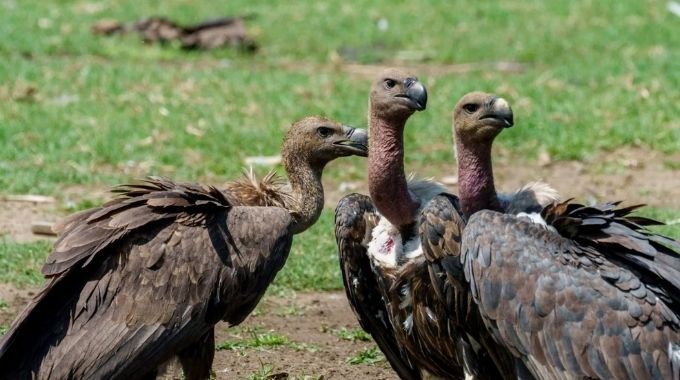
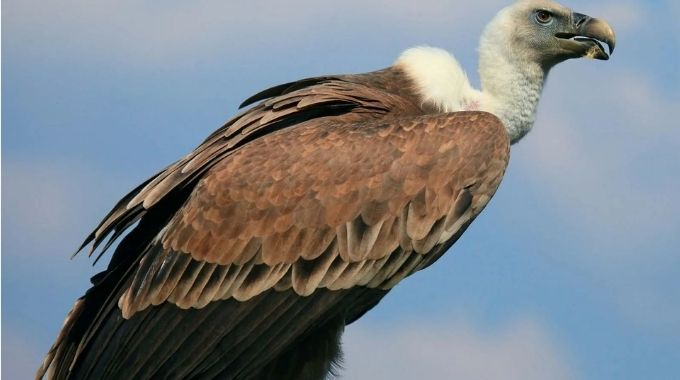
The initiative comes against the backdrop of an alarming decline in Zimbabwe’s vulture populations. Of the 11 vulture species found across Africa, six occur in Zimbabwe, with all but one listed as threatened or endangered. Among the most imperilled are the white-backed vulture, white-headed vulture and hooded vulture, all of which are classified as Critically Endangered.
Conservationists warn that the disappearance of these scavengers would have devastating consequences not only for biodiversity, but also for public health and the economy.
Poisoning remains the single greatest threat. Poachers frequently lace animal carcasses with poison to eliminate vultures whose circling flight patterns can expose illegal hunting activities to wildlife authorities. These incidents often result in catastrophic losses, including the poisoning of 191 vultures in Gonarezhou National Park in 2012 and another 94 birds near the park’s boundary in 2017.
Accidental poisonings are also widespread, particularly in farming communities where poisoned carcasses intended to kill predators such as lions and hyenas are later consumed by vultures.
Another major challenge is belief-based use, where vultures are killed for body parts believed to possess supernatural powers for use in traditional medicine. Across Africa, this practice accounts for an estimated 27 percent of threats facing vultures.
To address the issue, BirdLife Zimbabwe has partnered with the Zimbabwe National Traditional Healers’ Association (Zinatha), whose members have pledged to identify sustainable alternatives to the use of vulture parts in traditional healing practices.
Habitat destruction presents another growing concern. Illegal farming and land-use changes continue to reduce nesting and feeding habitats, while a 2025 Nasa study highlighted the impact of drought and elephant damage on vegetation surrounding waterholes, threatening the nesting trees used by white-backed vultures.
Electrocutions and collisions with power lines further compound the pressures facing already declining populations. Despite their often negative reputation, vultures perform one of nature’s most essential ecological services. Often referred to as nature’s clean-up crew, they rapidly dispose of animal carcasses before they become breeding grounds for dangerous diseases.
Their uniquely acidic digestive systems enable them to consume pathogens such as anthrax and rabies without becoming infected, effectively preventing the spread of diseases to livestock, wildlife and people.
The economic contribution of this natural sanitation service is equally remarkable. Studies estimate that vultures save Zimbabwe more than US$1 million annually through free waste disposal services that would otherwise require costly human intervention.
A former Zimbabwe Parks and Wildlife Management Authority (ZimParks) director once estimated that a single vulture provides ecosystem services worth more than US$11 000 during its lifetime. International research has also illustrated the consequences of vulture declines.
In India, the collapse of vulture populations triggered an explosion in feral dog numbers and contributed to tens of thousands of additional rabies-related deaths. Researchers are now investigating whether Zimbabwe’s recent anthrax outbreaks may similarly be linked to declining vulture populations.
Khumalo believes the Bulawayo commemorations represent an important contribution to Zimbabwe’s broader conservation strategy.
“Our event directly supports the long-term survival of these critically important birds by educating the public, engaging the next generation of conservationists, and celebrating the misunderstood, yet essential, vulture,” he said.
The programme brings together BirdLife Zimbabwe’s Matabeleland Branch, the Natural History Museum of Zimbabwe’s Ornithology Department and the Conservation Sisters Connect programme under Wildlife Conservation Action. The partnership seeks to combine scientific expertise, youth engagement and artistic expression while strengthening conservation leadership among young Zimbabweans, particularly women.
Conservation Sisters Connect is a fellowship programme that equips young women with practical conservation skills and mentorship, helping build a stronger future generation of environmental leaders.
The commemorations also complement BirdLife Zimbabwe’s wider conservation efforts under the Zimbabwe Vulture Action Plan, developed jointly with ZimParks and other stakeholders. As the lead co-ordinator of the national strategy, BirdLife Zimbabwe oversees the Vulture Working Group, which brings together government agencies, researchers and non-governmental organisations to coordinate conservation interventions.
Its work ranges from establishing Vulture Safe Zones and community-based Vulture Support Groups to deploying satellite tracking technology, in partnership with IFAW and ZimParks, to monitor bird movements and identify poaching hotspots.
The organisation also continues advocating for stronger wildlife protection laws while expanding community education programmes across the country.
By inviting young artists to interpret the theme, “Vulture Interactions”, organisers hope creativity will become a catalyst for changing attitudes towards birds that have for generations been unfairly associated with superstition and death.
Instead, the exhibition seeks to present vultures for what they truly are – silent custodians of ecosystem health whose survival is inseparable from that of Zimbabwe’s wildlife, landscapes and communities.
IVAD approaches, conservationists are hopeful that brushes, canvases and imagination will succeed where fear and misunderstanding have long prevailed, giving Zimbabwe’s embattled vultures a renewed voice through the language of art. – Follow on X @MbuleloMpofu