Chronicle Editor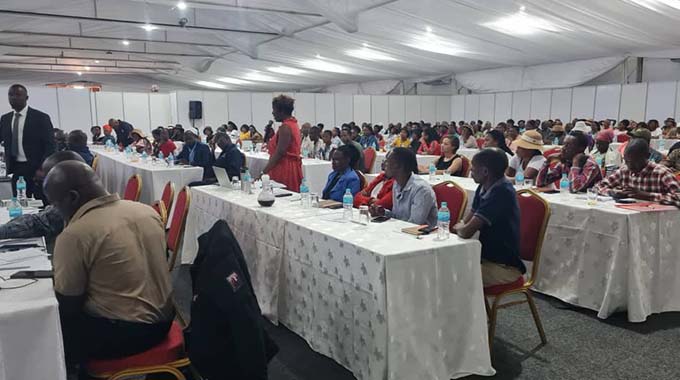
Sikhulekelani Moyo, [email protected]
THE Standard Association of Zimbabwe (SAZ) is hosting a sensitisation workshop on leather and textile standards in Bulawayo today with deliberations focused on providing insight into the standards development process for the value chains.
The event is being attended by players in the leather and textile sector, which includes farmers, abattoirs, tanneries, manufactures, and small to medium enterprises (SMEs), among others.
Government representatives, from the Ministry of Lands, Agriculture, Fisheries, Water and Rural Development, Ministry of Industry and Commerce and the Ministry of Women Affairs, Community, Small and Medium Enterprises Development, are also present.
SAZ director for standards development, information and training, Ms Romana Marunda, said the workshop aims to unpack the SAZ services to the two value chains.
“The engagement will provide insight into the standards development process and sensitise the value chain on national standards that are available for the sector and encourage their use,” she said.
The leather and textile value chains are some of the 10 priority value chains under the National Development Strategy (NDS) 1 where the Government seeks to revamp different industries.
Re-activating value chains is a key priority under the NDS 1 (2021-2025), a five-year development plan that guides economic developments in the country towards the national vision.
The leather value chain is a key component of the agro-processing sector and is seen as a low-hanging fruit for Zimbabwe, which has higher competencies in livestock production as a source of raw materials.
The launch of the Zimbabwe Leather Sector Strategy (2021-2030) in 2021 expressed the Government’s strong desire to transform the leather sector from a producer of primary products to value-added goods for domestic and export markets.
The overall goal of the strategy is to improve the competitiveness of the leather value chain by building stakeholders’ production capacities and improving their access to regional and international markets.
The objectives of the new strategy are to increase the capacity utilisation of value-added products from 30 to 75 percent by the end of 2030 and enhance the application of sustainable production technologies by manufacturing companies from the current 10 percent to 60 percent by 2030
This has seen the sector collaborating with different stakeholders including SAZ so that they work on the sector standards, improve capacity and quality, which will see the sector increasing its contribution towards exports, employment creation and industrialisation.
-@SikhukulekelaniM1



 Online Reporter