admin
admin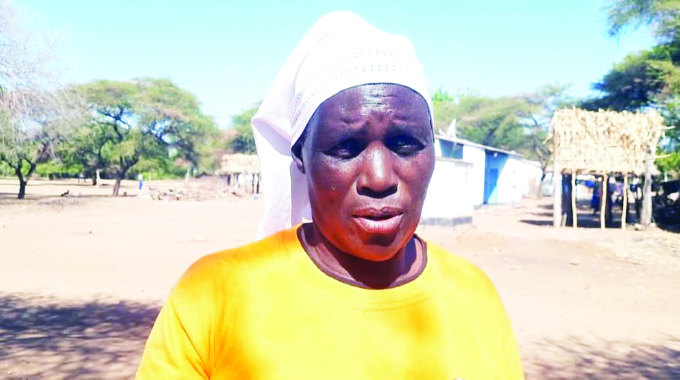
Fungai Lupande Mash Central Bureau
As night gave way to day break one day in 2006, Sarah Chimoto (44), strapped a toddler on her back and together with her two friends, set off on a two-day journey to Karanda Mission Hospital, some 50km away on foot.
The all-important journey from Kapiripiri village in Mt Darwin was to access life-saving anti-retroviral drugs after testing HIV positive.
As fate would have it, her two friends did not make it to Karanda Hospital. They collapsed and died by the roadside.
Narrating her ordeal, Chimoto now 62 years-old, said her two friends were critically ill when they set off, with one vomiting and the other having a running stomach.
“Our date to collect medication was due and we had to make the journey to Karanda but my friends were weak. The journey become longer as we made frequent stops as they struggled to continue,” she said.
“We would pass through homesteads and ask for drinking water. Unfortunately, due to a lack of knowledge at this time, they didn’t assist, fearing that we would transmit the disease.
“When they approached the Chironga area my friends asked to rest and they breathed their last. After realising that my friends were deceased, I walked to a nearby village and asked for the village head.
“I was directed to village head Chibara. He understood the situation and agreed to have the pair buried in his village.”
Chimoto said the villagers assisted by digging the graves before requesting her to place her friend in the ground. She buried her friends before proceeding to Karanda.
She later came back and informed the families of the deceased about their deaths.
The families went to the gravesites and performed traditional rites.
This is the testimony of how difficult life was 18 years ago for people living with HIV in Kapiripiri village in Mukumbura, 15 kilometres shy of the border with Mozambique.
After seeing the plight of people in this village World Vision offered to carry medical staff from Karanda Village to Kamutsenzere Clinic, 9 kilometres from the village.
Although still far, Kamutsenzere village was better than the trip to Karanda Hospital.
“I would carry roasted maize and mixed ground nuts for the two-day trip to Karanda. This was hard for people living with HIV during this time and a majority died,” she said.
“I then become a home-based care volunteer at Kamutsenzere Clinic working with orphaned and vulnerable children. A lot of people started opening up about their status and the numbers grew.
“However, the distance to Kamustenzere was still long and some started defaulting. This is when the Zimbabwe Technical Assistance Training and Education Centre for Health (ZIM TTECH) come in and introduced outreach programmess.”
Under the outreach programme, the community formed Community ART Refill Groups (CARG) of between 10 to 50 people, and ZIM TTECH would bring medication to the village.
Chimoto said they have about 150 members and 11 groups while HIV-related death started declining until last year when they achieve zero defaulters, zero HIV-related death, zero viral load, and zero cervical cancer.
“I was discharged from VIAC six months ago together with several others. We counsel each other at CARG meetings and one member can collect for others,” she said.
“We have over 370 people living with HIV who are still traveling to Kamutsenzere or Mukumbura to collect their medication. I encourage everyone to join CARG everyone needs a friend to talk to and remind them to take their medication.
“Our appeal is to have a health post in this village so that we have privacy and protection from rain and wind.”
The guest of honour, provincial nursing officer Mrs Anna Chinyama urged people to join CARG which lessen the burden on hospitals and clinics.
Mt Darwin has 5 397 people living with HIV and only 42 percent of them are in CARGs.
“We need to create more CARGs to lessen the burden on hospitals and clinics. One person can collect medication on behalf of others giving others time to do chores and look after children,” she said.
“We also have family refill groups and these help in promoting medication adherence. We also encourage disclosure to have a strong support system.
“HIV is still a burden and we still have people who don’t know their status. Now that you have achieved zero viral load, zero defaulter, zero HIV-related death, and zero cervical cancer, don’t stop taking our medication
“Today we are celebrating the difficult journey travelled by people living with HIV in Kapiripiri village. Their bravery deserves recognition. It is evident that this community has overcome stigma.”
She added that women living with HIV are at risk of cervical cancer and are encouraged to get screened annually.
The outreach programs also include cervical cancer screening.
ZIM TTECH senior programmes officer Mr Abisha Jonga said they are working in 20 districts in five provinces Mash Central, West East, Harare, and Matabeleland North.
“We have our staff nurses, and primary counsellors in 395 medical facilities. We work with community facility treatment supporters these are expert patients who have a deep understanding of HIV and rally others to seek treatment and care,” he said.
“We enter into communities together with the Ministry of Health and Child Care (MHCC) testing people and enrolling them in ART. People live longer and fend for their families when they adhere to medication.
“We have nurses at Kamutsenzere clinic who work closely with MHCC nurses but due to long distances, we started an outreach programme to bring the clinic and services to people.
The program ensures that people don’t miss medication and CARG has further perfected the programme.
Zimbabwe Network of People Living with HIV (ZNNP+) programme officer Mr Tonderai Mwareka said differentiated delivery service models are successful.
He encouraged others to create such support systems.
“However, we have noticed that the outreach is being done under the tree. We would want this community to have a health post and a primary care nurse nearby so that they have privacy,” he said.
“The national and international targets are that 95 percent of the population know their status, 95 percent of those who know their status are on treatment and 95 of those on treatment have undetectable viral load.
“Looking at these targets it means that this community has surpassed the national target and achieved 100 percent. This means the virus is undetectable which equals non-transmittable but we encourage the use of condoms.
“This is the motivation for others to get tested and get on treatment with support from veteran patients in the struggle against HIV.”
The National AIDS Council and Centre for Disease Control among other partners attended the event.


 Online Reporter