Online Reporter
Oliver Kazunga-Senior Reporter
SCHOOLS and communities should prioritise balanced nutrition for learners, as proper diets are essential for children’s physical development, mental health and academic performance, a senior official said yesterday.
In a speech read on his behalf by the deputy director for primary education (Harare Metropolitan) in the Ministry of Primary and Secondary Education, Mr Clifford Matara, the Chief Director for Provincial Education Services, Mr Joram Mupunza, said balanced diets should not be compromised.
“The provision of a balanced diet in schools should never be compromised because we are in charge of the young minds that are still growing. These learners that you see today, they have a right to have a balanced diet.”
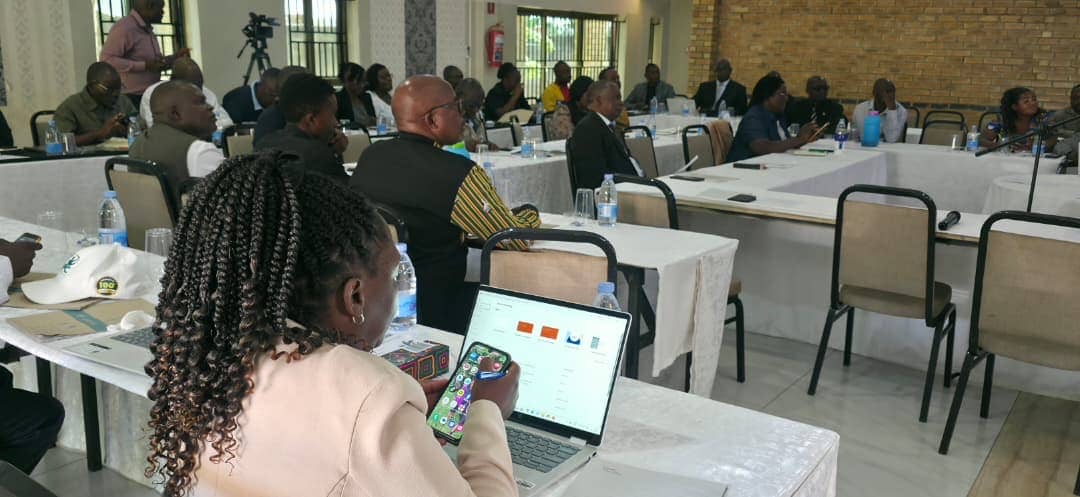
Organised by Zimpapers in collaboration with the Ministry of Primary and Secondary Education, the Ministry of Health and Child Care, and partners including National Foods, Creative Nutrition and Higher Life Foundation, the event was attended by parents, guardians and school children from Harare and surrounding areas such as Chitungwiza.
Mr Mupunza noted that nutrition plays a critical role in sustaining learners’ energy levels and improving their ability to focus during lessons.
A registered dietitian from the Ministry of Health and Child Care, Mr Tafara Mare, highlighted the importance of balanced nutrition in promoting healthy lives.
This is achieved through consuming body-building foods and energy-giving foods, as well as preventing the body from non-communicable diseases such as diabetes and hypertension.
“It is vitally important that we should consider giving our learners a balanced diet, which allows learners to be attentive in class. A balanced diet should constitute energy foods, body-building foods, protective foods, healthy fats, and water. We should strive to eliminate processed foods in our diets to foster a healthy society,” he said.
United Nations International Children’s Emergency Fund (UNICEF) nutrition officer Mrs Duduzile Kandengwa, said Zimbabwe is currently grappling with three types of malnutrition: undernutrition, over-nutrition, and micronutrient deficiencies.
“We have under-nutrition, the one associated with stunting and wasting. And then we have over-nutrition associated with overweight and obesity. I want to encourage us all that as we go back to our schools, as young people, let us demand healthy food environments,” she said.
Speaking at the same occasion, Girls High School in Harare head Mrs Milca Mach said for sustainability, schools need to play a role in the provision of a balanced diet through the establishment of various projects such as horticulture and poultry. As part of a broader scope in implementing the Government’s Education 5.0 Curriculum, her school has ventured into these areas.