Sundaymail Editor
Tinashe Farawo
A large number of schools have been accused of ripping off parents by forcing them to buy uniforms from the institutions at extortionate prices, The Sunday Mail has established.With around 4,5 million pupils in primary and secondary schools, the supply of uniforms is a highly lucrative business. Many institutions are either demanding that pupils buy uniforms from the schools or from a “preferred” supplier who is arbitrarily appointed.
Often, the uniforms are sold at cheaper prices elsewhere. A parent with a child at a high school in Mashonaland West said the institution was demanding US$1 300 for both fees and uniforms for a Form One pupil.
“About US$500 is meant for uniforms, which includes four dresses, five pairs of socks, a blazer and a jersey,” said the irate parent. “Why would I be forced to purchase uniforms for my child at the school? Apart from the uniforms being of poor quality they are expensive. That’s total madness.”
Another parent, whose child attends a high school in Mashonaland East, added: “I must be given a choice to buy uniforms from any supplier.
“I ended up buying another set of uniforms after my son refused to put on those uniforms saying they are of poor quality.”
Investigations show that many schools are purchasing the uniforms from a factory shop in Chitungwiza – Step in Style. An official from the factory confirmed to The Sunday Mail that the schools were overcharging parents.
“The prices they charge for the uniforms are too high but our hands are tied because we also want business so we can’t complain,” said the official.
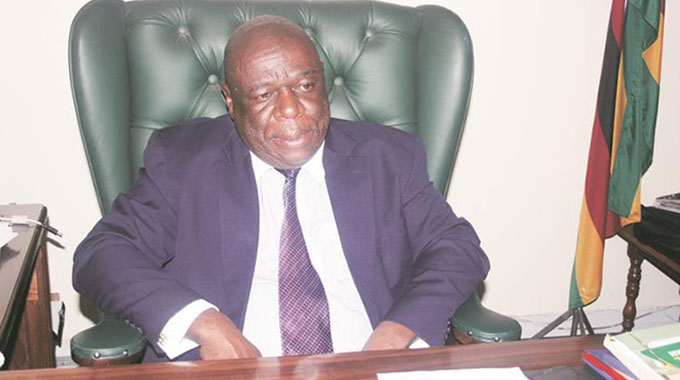
Minister of Primary and Secondary Education Dr Lazarus Dokora agreed that parents were being ripped off but referred questions to his permanent secretary, Dr Sylvia Utete Masango. Dr Utete Masango said parents must be given options to purchase school wear.
“We are avoiding policing everything but there must be an option. But you also need to realise that some parents are comfortable with that arrangement because they will be avoiding hassles in town to buy those uniforms,” she said.
“Whatever mark-up is being ploughed back into the school for various projects. That profit, in some cases, is used to buy, say, computers or improve the infrastructure at the school.”
Dr Utete Masango said sometimes schools forced parents to use one supplier to ensure uniformity. Zimbabwe Teachers’ Association secretary-general Mr John Mlilo said parents must be given a choice to buy school wear from a supplier of their choice.



 Online Reporter