

 Chronicle Editor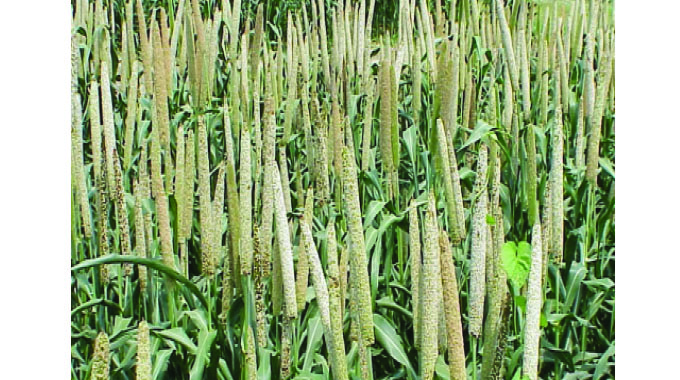
Michael Makuza, Business Reporter
MEMBER States and citizens should embrace millet production as the crop is highly suitable for cultivation under adverse and varying climatic conditions, the Southern African Development Community (Sadc) Plant Genetic Resources Centre (SPGRC) has said.
Production of millet is in line with the endorsement of the Governing Body of the Food and Agricultural Organisation – International Treaty on Plant Genetic Resources for Food and Agriculture (FAO-ITPGRFA).
According to a statement from Sadc, SPGRC encourages food scientists to value-add millets as they mark the year 2023 as the International Year of Millets (IYM).
“To mark the year 2023 as the International Year of Millets (IYM), the SPGRC also encouraged food scientists to value-add millets and make them part and parcel of peoples’ daily meals,” read the statement.
“It further urged national gene banks to make available traditional millet varieties for use in breeding programmes, research, and direct consumption at household level to address nutritional gaps in the Sadc Region.”
Millets have proved to be climate resilient and highly nutritious yet still remain relatively undervalued, and under-utilised cereal crops.
“However, despite these clear advantages of climate resilience and nutritional benefits, millet remains relatively undervalued and under-utilised, with its production being on the decline in the Sadc region.”
Millets are a group of cereal grains that belong to the Poaceae family, commonly known as the grass family. Despite being widely perceived as crops in terminal decline in favour of maize, sorghum and millets were in fact among the first plants to be domesticated and still serve as a traditional staple food in Sub-Saharan Africa and Asia with both continents constituting the vast majority (over 90 percent) of millet production worldwide.
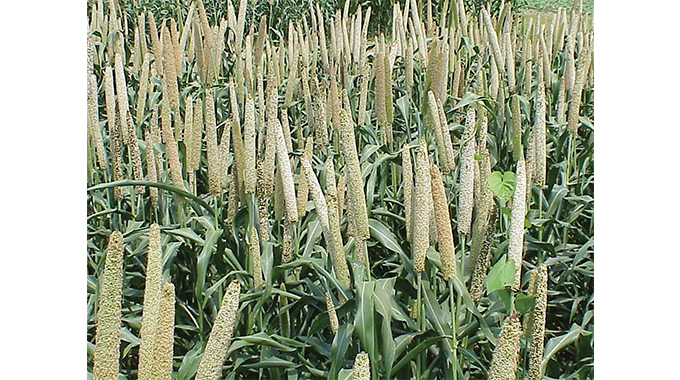
Compared to other cereals such as maize and rice, the statement read, millets have the ability to grow in dry and marginal environments clearly making it a crop with an important role in future food and nutritional security.
Over the years, agricultural seasons have been altered with the focus turning to the production of crops with a shorter maturity period that require little rain.
In Zimbabwe, strides are being made to promote small grain farming as a way to fight climate change as the Government is partnering with private institutes to release small grain hybrids.
The Government and private sector are working towards strengthening linkages between farmers and markets.

Small grains are ranked as second staple cereal crops after maize in Zimbabwe. They are tropically adapted plants with high water use efficiency due to their structural characteristics that reduce transpiration.
They have the ability to survive dry and hot conditions. Small grains are not only renowned for their drought resistant nature, they are also rich in nutrients, which according to medical experts can boost the immune system.
They are a rich source of carbohydrates. Sorghum and pearl millet are rich in vitamins and minerals, especially potassium, calcium and phosphorus.



 Blessing Chizhande
 Online Reporter