Online Reporter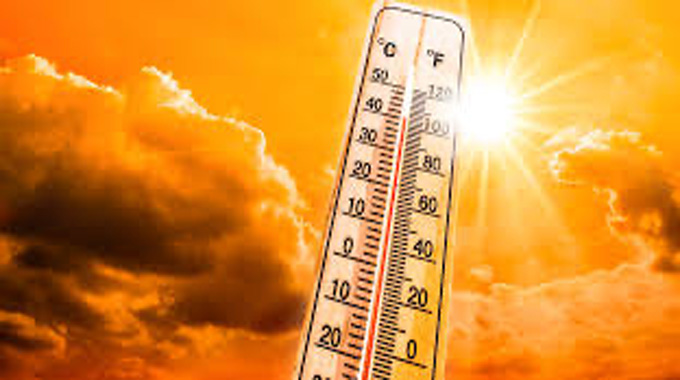
Moreblessing Ncube
Zimbabwe is sweltering under an intense heatwave following weeks of heavy rains that soaked much of the country. Meteorologists warn that temperatures in some regions have soared above 38 degrees Celsius, creating hazardous conditions for residents, livestock, and crops alike.
According to the Zimbabwe Meteorological Services Department (ZMSD), the unusual spike in temperatures comes after an extended rainy season that left soils saturated and water levels high across several provinces. The combination of residual humidity and extreme heat has amplified the impact of the heatwave, leading to widespread discomfort, health risks, and environmental strain.
Cities such as Harare, Bulawayo, Mutare, and Gweru have experienced relentless sun, with residents reporting heat exhaustion, dehydration, and sleepless nights. Health officials say the elderly, children, and outdoor workers are particularly vulnerable. “We are seeing an increase in cases of heat-related illnesses,” said a private doctor in Bulawayo.
“People are coming in with dizziness, nausea, and severe dehydration. We urge everyone to take precautions immediately.”
The agricultural sector is also under threat. Crops that thrived during the recent rains are now wilting under the scorching sun. Farmers in Mashonaland East and Midlands report that maize, tomatoes, and leafy vegetables are suffering from heat stress, while livestock require additional water and shade to survive the high temperatures. “We got some relief from the rains, but this heat is now threatening everything,” said local farmer Patrick Ndlovu. “Without shade and regular watering, we risk losing both our crops and animals.”
Energy and water supplies are also being tested. The increased use of fans and air conditioners has strained electricity networks. Water authorities warn that demand is rising sharply, urging households to use water sparingly.
Officials are advising residents to adopt basic precautions to survive the heatwave. People should drink at least 2 to 3 litres of water daily, avoid prolonged exposure to the sun, wear light-coloured and loose clothing, and limit strenuous outdoor activities during midday hours. Vulnerable groups such as children, pregnant women, and the elderly should stay indoors or in shaded areas whenever possible.
Emergency services are on alert to respond to heat-related medical emergencies. The Ministry of Health and Child Care has also reminded the public to monitor for early signs of heatstroke, including confusion, fainting, and rapid heartbeat, and to seek medical attention immediately if symptoms occur.
Meteorologists say the heatwave may persist for another week, with temperatures expected to remain high even overnight in some areas. They caution that while the rains brought short-term relief from drought in parts of the country, the current extreme heat presents a new set of challenges for Zimbabweans.
As the nation braces under the sweltering sun, officials, health practitioners, and residents alike must take proactive steps to protect lives, livestock, and livelihoods in what is shaping up to be one of the country’s harshest early-year heatwaves in recent memory.