admin
admin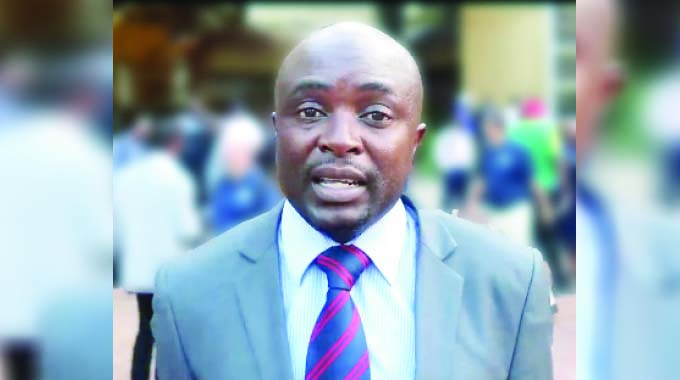
Thandeka Moyo-Ndlovu, Senior Health Reporter
THE outbreak of Covid-19 in Zimbabwe on March 21, 2020 brought mental and emotional turmoil to members of the public who were previously unaware of how deep mental health issues could affect their well-being.
Funeral wakes were banned and for the first time residents were forcefully divorced from a cultural practice that often brought comfort during bereavement.
Churches and other social institutions were closed also to contain the spread of the deadly disease leaving residents with nowhere to go for encouragement.
The lockdowns resulted in many people around the world losing their jobs and sources of income while others lost families, marriages and sanity.
Hundreds were subjected to all manner of abuse during the lockdown and with closure of churches and other services, mental illnesses prevailed.
These social challenges gave birth to the Seventh Day Adventist Health Ministries Online Counseling Platform which was set up in 2020 to help members of the public deal with social ills that were a result of Covid-19.
Statistics from the World Health Organisation (WHO) show that depression, medically referred to as major depressive disorder, bipolar disorder, alcohol use, drug use, epilepsy, schizophrenia and suicide remain the most prevalent mental health conditions in Zimbabwe with the outbreak of Covid-19.

Depression, the most prevalent in Zimbabwe, affects about 218 167 people with women constituting the majority of patients followed by alcohol abuse which affects 189 731 people according to a study carried out last year. At number three is drug use affecting 105 296 people while 77 449 suffer from bipolar disorder followed by epilepsy which affects 48 355 people.
In an interview yesterday, Zimbabwe West Union Conference Health Ministries director of the SDA Church Mrs Zibusiso Sibanda said the online platform has helped hundreds of residents across all denominations.
The platform can be accessed on +263772216026, +263771969644 and 26377828833. It offers mental health, psycho- social support, substance abuse counseling, spiritual support for those in need and counseling related to marriage and the family.
“With churches closed, we realised that members of the public were going through so much on their own without social support from families, friends or the church. Funeral wakes were banned and many people had to grieve on their own which was traumatic,” said Mrs Sibanda.
“People were going through abuse, some getting divorced during lockdown. It was a mess and we decided to start an online platform to offer counseling services as a measure to curb the prevalence of mental issues.”
She said her department roped in qualified counselors and psychologists from the church who volunteered to run the service.
“We even had a medical doctor who joined the team and we launched the platform which has been operational since 2020. All our services are free and we realised that some clients who called in needed serious interventions which forced us to go to their places of residence with the interventions they needed.”
“Our services are still free and those who do not get joy from sending WhatsApp messages to the number we use, we encourage them to call the department. We are always available to guide and help members of the public deal with abuse, bereavement, divorce, depression and suicide.
The online counselling platform also reaches out to members of the public in need of prayers related to addictions which are closely linked to mental health.
“The fact that the service is online means we can reach those who would not be able to come to our offices physically and we believe it saves time. We also believe that some people who are shy to admit they are going through mental challenges can easily chat with our counsellors knowing their identity and problems remain confidential,” said Mrs Sibanda.
Local psychologist Ms Jacqueline Nkomo said communities should normalise counselling even in their local areas since psychosocial support is a basic human need.
“We usually think gathering after a death helps but the real need occurs after burial when everyone is gone and we rarely check on loved ones after burial. Psycho-social support is a need just like humans cannot do without food or water,” she said.
“We therefore commend such initiatives to help members of the public cope with loss or any social challenges they may be facing at home. We need a society that is open to counselling, our communities need a support group corner scattered all over with discussion benches that is easily accessible by everyone.”
Ms Nkomo called on funeral parlours to also invest in counselling as some mental disorders develop after the loss of loved ones.
“Those who commit suicide fail to get support from loved ones, family and friends hence the need to create a conducive environment where counselling is not stigmatized but encouraged.” — @thamamoe



 Online Reporter