Online Reporter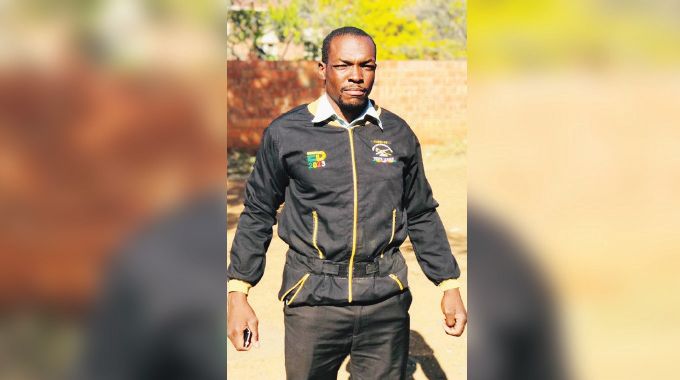
Sunday Life Reporter
THAT music has long been a powerful tool for shaping communities, inspiring unity and propagating ideologies that connect people and ground them with the struggles or developments of the era is not new, it is historical.
In the days of the liberation war in Zimbabwe, songs or music as an art form served as a vital instrument to communicate nationalist goals, rally support and educate communities about the reasons behind the fight for independence.
The tunes, often performed during pungwes, became the voice of the people, conveying hopes, aspirations and the collective desire for liberation. It was a soft way of preaching the liberation gospel to a heterogeneous audience in a soft but sometimes emotive way that led to mass mobilisation.
Today, that spirit endures as musicians continue to use music not only to celebrate progress but also to inspire development and patriotism.
In this context, musicians in Matabeleland South Province have taken up the mantle as the voice of the region’s developmental projects.
Admittedly, much of Chimurenga music was largely associated with musicians from Harare, but the emergence of talented artistes from the region like DJ Mavusani from Umzingwane District is changing that narrative and adding impetus to patriotic music that speaks to unity, development and inclusivity.
His real name is Vusumuzi Moyo and he has dedicated his craft to highlighting the achievements of the Second Republic and fostering a sense of pride and unity among the citizens.
During the liberation struggle, music was a rallying cry, an accessible and memorable way to share the reasons for fighting and to build a collective identity. That same spirit now fuels DJ Mavusani’s work as he uses his musical platform to promote development and patriotism.
Since 2021, as the Zanu-PF Youth League National Deputy Secretary for Disabled and Disadvantaged, he has been producing patriotic hits that showcase Government initiatives and national progress.
With four albums — Umuntu ngumuntu ngabantu, Vanowina Chete, Dubula dubula and Our Zimbabwe —DJ Mavusani, who is following in the footsteps of Chief Hwenje is preparing to launch his fifth album on Independence Day, April 18 in Matobo District, Matabeleland South Province.
His belief is that music is a form of serious literature, an essential means of communication that leaves a lasting impression.
“I believe music is serious literature, it’s communication,” DJ Mavusani told Sunday Life in an interview.
“People tend to remember songs more than what they read. I’ve realised that people are quick to judge our country without knowing what’s happening here. A lot of development is happening, but people focus on the negative. With my music, I want people to know about the great things happening in this country.”
His recent tracks — Development, Independence and Vision 2030 — have resonated with both the youth and older generations, receiving positive feedback for their patriotic message.
Through his music, DJ Mavusani aims to showcase the ongoing development projects in Matabeleland South, such as the construction of science labs, drilling boreholes, school infrastructure improvements, irrigation schemes, road rehabilitations and the revitalisation of key health and vocational training centres.
“Great things are happening in our country,” he says.
“Development projects like the construction of Maphisa Stadium, Sizinda Cultural Centre and the revitalisation of Kezi Hospital are proof of this progress. Through my music, I want to rekindle the spirit of nationalism and pride among our citizens who might have given up on Zimbabwe.”
He encourages young people to love and appreciate their country, urging them to unite, share ideas and work together towards Zimbabwe’s continued growth.
“Let’s carry the spirit of nationalism and patriotism forward,” he emphasises.
“Just as music once united Zimbabweans during their fight for freedom, it now has the power to inspire a new era of development, unity and national pride, ensuring that the stories of progress are heard and remembered for generations to come,” he said.