admin
admin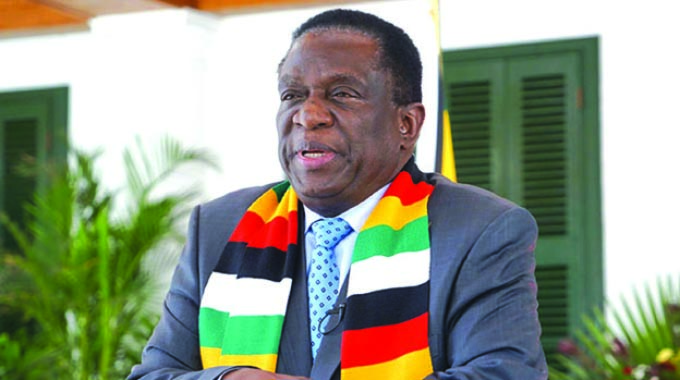
Takudzwa Chada Correspondent
In the face of adversity, true leadership shines brightest. Nowhere is this more evident than in Zimbabwe, where President Mnangagwa’s Second Republic has risen to the challenge of combating the El Nino-induced drought with compassion, determination and inclusivity.
As the country grapples with the devastating effects of the drought caused by the global climate crisis, President Mnangagwa’s administration has embarked on a bold and unprecedented initiative to distribute 81 000 tonnes of grain to vulnerable families across the nation.
This monumental effort reflects not only the Government’s commitment to addressing food insecurity, but also its unwavering dedication to leaving no one behind, irrespective of political affiliation or geographic location.
The El Nino-induced drought has wreaked havoc on Zimbabwe’s agricultural sector, decimating crops, depleting water sources and leaving millions of people on the brink of starvation.
In the face of such dire circumstances, President Mnangagwa’s administration has acted swiftly and decisively to alleviate the suffering of those most affected by the crisis.
By mobilising resources, coordinating relief efforts and prioritising the needs of vulnerable communities, the Government has demonstrated its readiness to confront even the most daunting challenges head-on.
Central to the success of the Government’s response has been its unwavering commitment to inclusivity and equity. Against all odds, President Mnangagwa’s Second Republic has adopted a principled approach that places the welfare of all Zimbabweans above partisan interests.
In distributing 81 000 tonnes of grain, the Government has ensured that assistance reaches those who need it most, regardless of their political affiliation or geographic location. This ethos of inclusivity reflects a profound shift in Zimbabwean politics, one that prioritises the common good over narrow self-interest and fosters a sense of national unity and solidarity.
Moreover, President Mnangagwa’s administration has recognised the importance of engaging with local communities and leveraging their expertise and resilience in responding to the drought crisis.
By working closely with traditional leaders, community organisations and civil society groups, the Government has been able to identify and address the unique needs of different regions and communities, ensuring that relief efforts are targeted, effective and sustainable.
This collaborative approach not only enhances the impact of Government interventions, but also empowers communities to take ownership of their own development and resilience-building efforts.
In addition to its immediate relief efforts, the Government has already been prioritising long-term solutions to address the root causes of food insecurity and vulnerability to drought.
Through initiatives such as the Command Agriculture and the famous Pfumvudza/Intwasa programmes, which promote climate-smart agricultural practices and sustainable land management techniques, President Mnangagwa’s administration is laying the groundwork for a more resilient and food-secure future.
By investing in irrigation infrastructure, promoting drought-resistant crops and providing training and support to smallholder farmers, the Government is empowering communities to adapt to the changing climate and build a more sustainable agricultural sector.
Furthermore, President Mnangagwa’s administration has recognised the importance of international cooperation and partnership, for example, with Russia donating 25 000 tonnes of grain in response to combat the effects of the El Nino-induced drought crisis.
Therefore, through partnerships with international organisations, donor agencies and neighbouring countries, Zimbabwe has been able to access additional resources and expertise to augment its own efforts. This spirit of collaboration underscores the interconnected nature of global challenges such as climate change and food insecurity and highlights the importance of collective action in addressing them.
As Zimbabwe recently celebrated its 44th year of independence on April 18, the Government’s response to the El Nino-induced drought crisis serves as a powerful testament to the resilience, resourcefulness and compassion of the Zimbabwean people.
In the face of adversity, President Mnangagwa’s administration has demonstrated true leadership by mobilising resources, fostering collaboration and prioritising the needs of the most vulnerable.
As the country looks to the future, it does so with renewed hope and determination, confident in its ability to overcome the challenges that lie ahead and build a brighter, more prosperous future for all Zimbabweans, leaving no one and no place behind.


 Online Reporter