Online Reporter
Jimmy Murwira
WHEN President Mnangagwa took office in 2017, he promised a new era of inclusive development under the Second Republic.
Today, years later, that promise is materialising through various Presidential Schemes targeting rural communities, smallholder farmers, youth and informal workers.
These initiatives, focused on agriculture, water access, job creation, housing and infrastructure are transforming lives and expanding Zimbabwe’s economic potential.
While political debates remain, the results on the ground are becoming difficult to ignore. From record agricultural yields to rural women running garden cooperatives and young people launching start-ups, the Second Republic’s policies are delivering measurable outcomes.
One of the standout successes of the Second Republic has been in agriculture.
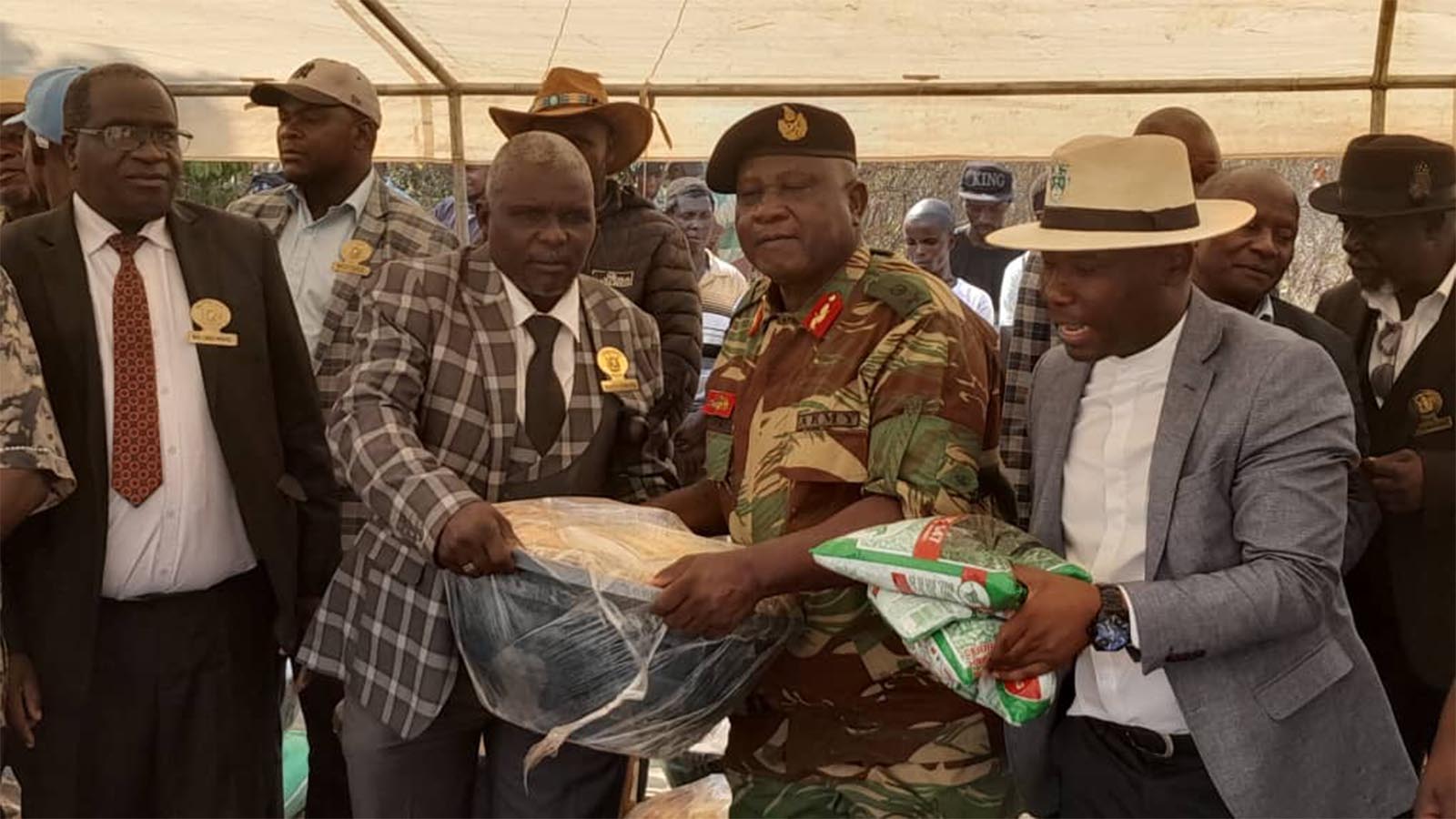
The Pfumvudza/Intwasa Conservation Agriculture Scheme and the Presidential Input Programme have helped smallholder farmers overcome droughts, pests and resource limitations.
These schemes are anchored on climate-smart farming, encouraging small plot cultivation with mulch, organic fertilisers and early planting.
In the 2023/24 farming season alone, more than 3,5 million households benefited from Pfumvudza. Zimbabwe harvested 2,3 million tonnes of maize, surpassing national consumption requirements and significantly reducing grain imports.
This is a massive improvement compared to the years when the country heavily relied on food aid.
According to the Ministry of Lands, Agriculture, Fisheries, Water and Rural Development, households involved in the scheme produced three times more food than those using traditional methods.
This has translated into improved food security, especially in rural areas.
For the first time in years, many families are not only feeding themselves, but also selling surplus produce to the Grain Marketing Board, thereby increasing rural incomes.
Access to clean water remains a game changer in rural Zimbabwe. Under the Presidential Borehole Drilling Programme, over 8 000 solar-powered boreholes have been installed across the country as of mid-2025, with a goal of reaching all 35,000 villages countrywide.
These boreholes are not just about clean drinking water. They are hubs of transformation. Each one supports a nutrition garden, where communities grow vegetables year-round. Women now lead garden cooperatives, selling tomatoes, leafy greens, and onions to local markets and schools.
Incomes have risen and so has health. The Ministry of Health and Child Care reports that child malnutrition dropped from 26 percent in 2019 to 19 percent in 2024 in areas benefiting from these schemes.
Moreover, with water readily available, school attendance among girls has increased, as they no longer spend hours fetching water.
To tackle unemployment and promote youth entrepreneurship, the Government launched various schemes under the Presidential Youth Empowerment Drive.
Key among these are the Presidential Youth Skills Development Centres, the Youth Fisheries Programme, and youth-targeted financial loans.
Over 120 000 young people have been trained in skills ranging from welding and carpentry to fashion and ICT. Many have started their own small businesses, contributing to local economic development.
Meanwhile, the Youth Fisheries Programme has empowered over 2 000 youths with access to fish ponds and start-up kits. Some of these young entrepreneurs now earn US$200 to US$400 per month, far above the rural income average.
Through partnerships with EmpowerBank and other institutions, the Government has issued over ZiG6 billion in loans to youth-led businesses. These microenterprises are creating jobs in agriculture, retail and small-scale manufacturing. This wave of youth empowerment is reversing the rural-urban migration trend and injecting innovation into the local economy.
Infrastructure development under the Second Republic is reshaping both rural and urban landscapes. The Emergency Road Rehabilitation Programme (ERRP2) has already rehabilitated over 5 000km of roads, connecting villages to towns and making the transportation of goods and services more efficient.
In terms of housing, the Presidential Housing Programme is providing affordable and dignified homes for civil servants, war veterans and low-income families.
New housing units in Dzivaresekwa, Marondera and Prospect have brought hope to thousands. The Government aims to deliver 220 000 housing units by 2030, in line with Vision 2030’s goal of achieving an upper-middle-income society.
These developments create employment in construction, reduce slum settlements and attract private sector investment. They also improve living standards and stimulate local economies.
Health and education have not been left behind. The Presidential Rural Clinic Programme has built or upgraded 320 clinics since 2020. Today, no village is more than 10km from a health facility. This has reduced maternal and infant mortality.
According to UNICEF, maternal mortality dropped from 462 per 100 000 live births in 2017 to 343 in 2023.
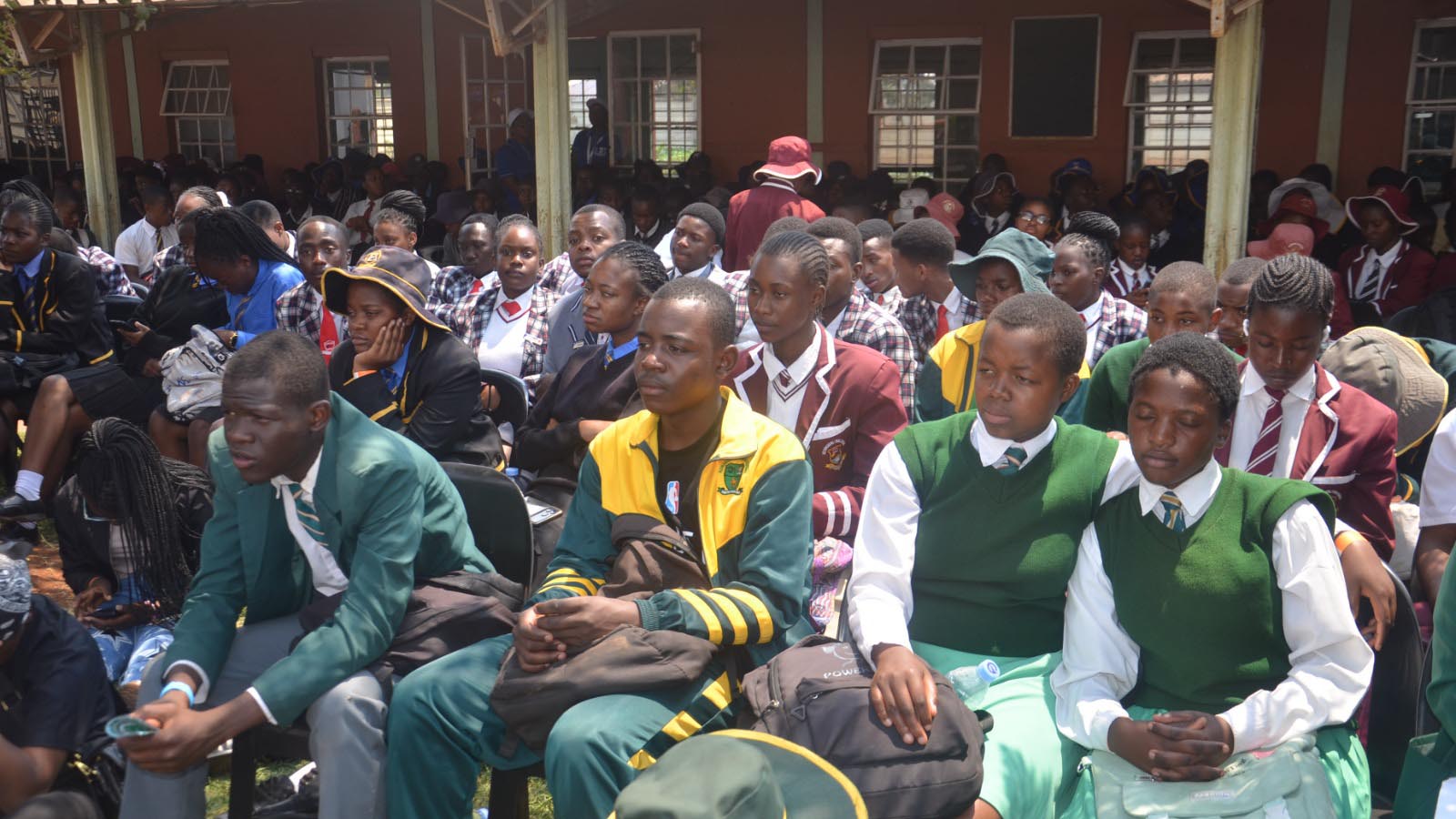
In education, over 1 500 schools have received infrastructure support – from new desks and classroom blocks to solar-powered computer labs. E-learning platforms introduced during the Covid-19 era have been integrated into rural schools, helping bridge the digital divide.
Children can now learn in better environments, and teachers are better equipped, contributing to improved pass rates and better life opportunities for rural students.
These schemes have fundamentally improved livelihoods, particularly in rural Zimbabwe. Farmers have become commercial producers.
Women are now food entrepreneurs. Young people are business owners. Families have access to clean water, healthcare, and modern housing.
The average rural household, once reliant on Government food handouts, can now feed itself, send children to school and engage in trade. Testimonies from villagers in Mashonaland Central, Matabeleland South, and Manicaland Provinces echo the same message: “We no longer feel forgotten.”
The Second Republic’s strategy reflects a bottom-up economic model, empowering citizens to produce, consume and trade. This grassroots activity is building a broader tax base, stimulating demand for goods, and reducing dependency on imports.
For example increased maize production has reduced food imports, saving millions in foreign currency. Youth businesses are stimulating the informal sector, which contributes over 60 percent of GDP in Zimbabwe.
Infrastructure development is attracting domestic and foreign investment in agriculture, transport, and housing.
Together, these effects are expanding the national economy, not from boardrooms, but from fields, boreholes, and training centres across the country.
While challenges remain from climate shocks to occasional delays in implementation, it is undeniable that the Presidential Schemes are bearing fruit. They are restoring dignity to rural families, creating opportunities for youth and building the foundations for a stronger economy.
These initiatives demonstrate that meaningful development is possible when leadership aligns with community needs. With continued transparency, community engagement, and strategic partnerships, Zimbabwe is on track to meet its Vision 2030 targets.
The seeds planted by the Second Republic in agriculture, water, health, and youth development are growing and for millions of Zimbabweans, the harvest is not just in tonnes of maize or kilometres of road, but in hope, dignity and economic freedom.