malvernmugadzikwa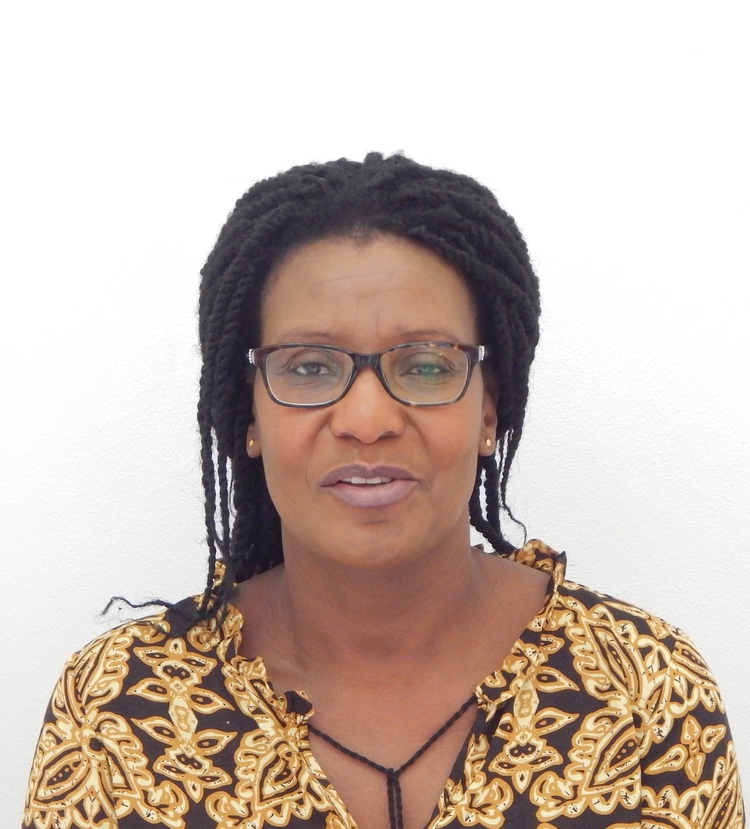
Disability Issues
Dr Christine Peta
THE living conditions of individuals with disabilities are a critical issue that demands thorough exploration.
Despite the National Disability Policy (NDP) stipulating that persons with disabilities should not be coerced into specific living arrangements, including institutions, many still find themselves residing in these settings.
Social stigma and lack of support systems within families have seen individuals with disabilities being “placed” in institutions, where they may feel isolated and neglected by their relatives.
To address the challenges faced by individuals with disabilities, it is imperative to implement plans for deinstitutionalisation and the establishment of robust community-based services.
These initiatives should facilitate the return of individuals with disabilities to the community in a manner that ensures their well-being and provision of the necessary support. Additionally, we must actively create opportunities for individuals with disabilities to exercise their right to choose their preferred living arrangements.
The practice of separating children with disabilities from their families, often under the guise of alleviating parental burden, represents a grave violation of their rights to experience family life alongside their non-disabled siblings.
Individuals with disabilities, particularly children, are at a heightened risk of abuse when living in challenging circumstances.
Research has demonstrated that girls with disabilities are often subjected to harmful stereotypes, leading to increased vulnerability to sexual abuse. The fallacious belief that girls with disabilities are unattractive to men can result in dangerous living arrangements, such as sharing a room with male relatives.
While caregiving for individuals with disabilities can be demanding, the establishment of regular respite care centres within communities offers a potential solution. These centres provide short-term relief for primary caregivers, allowing them to rest, spend time with others or attend to personal matters.
The NDP explicitly prohibits the abuse, persecution, stigmatisation, discrimination, neglect and segregation of individuals with disabilities by their family members.
Reports of sexual abuse, often accompanied by harmful justifications, must be taken seriously and investigated to ensure justice is served.
Research suggests that many residential property owners are reluctant to rent their houses to individuals with disabilities or families with children with disabilities.
Landlord-tenant relationships often involve discriminatory practices, with individuals with disabilities being unfairly blamed for problems that may not be their fault.
For example, deaf individuals may be wrongly accused of theft due to communication barriers, while blind individuals may be blamed for property damage. To address these challenges, the NDP mandates that at least 15 percent of housing units in public housing programmes be allocated to individuals with disabilities or their families. Additionally, all public housing and social amenities programmes must adhere to universal design principles to ensure accessibility for all.
Dr Christine Peta is a disability, public health, policy, international development and research expert. She is also the national director of disability affairs in Zimbabwe. She can be contacted on: developafrica2020@ gmail.com



 Online Reporter