Precious Manomano
Herald Reporter
SEED Co is spearheading efforts to combat counterfeit seed ahead of the 2026/2027 agricultural season, uniting the Zimbabwe Republic Police (ZRP), the Zimbabwe Seed Association (ZSA) and the Seed Services Institute to protect farmers from unscrupulous dealers.
At a press conference in Harare on Thursday, stakeholders warned that fake and illegally imported seed exposes farmers to financial losses, poor germination and reduced yields—threatening national food security as the country prepares for potential El Niño conditions.
The briefing followed an intensified nationwide crackdown by the ZRP and the Ministry of Lands, Agriculture, Fisheries, Water and Rural Development targeting syndicates manufacturing, distributing and selling fake seed.
Counterfeit seed is reportedly sold through informal markets and hardware shops, where traders mimic reputable brands, logos and packaging, luring unsuspecting farmers with steep discounts.
ZRP spokesperson Commissioner Paul Nyathi said police had partnered with the ZSA and agronomists from seed houses, including Seed Co, to dismantle these networks.
“The Zimbabwe Republic Police warns all individuals, traders and syndicates involved in the manufacture, packaging, distribution and sale of counterfeit seed that the Police will take decisive action against them,” he said, adding that offenders face prosecution under the Seed Act (Chapter 19:13).
The Seed Services Institute has also ramped up market surveillance, running a nationwide inspection blitz from October 5 to mid-December across all 10 provinces to cover the peak selling period.
Institute head Mr Edmore Mtetwa said the Seed Inspectorate is conducting spot checks on agro-dealers alongside police to verify compliance and track certified seed lots. He urged farmers to buy only from registered agro-dealers and demand proof of licensing.
“The licensing of seed sellers allows the Ministry responsible for Agriculture to assess an agro-dealer’s capacity in proper handling and safe storage of certified seed whilst at the same time preventing the distribution of counterfeit seed,” Mr Mtetwa said, noting that Section 8 of the Seed Act stipulates that “no person shall sell seed unless registered as a seed seller”.
He warned that uncertified imports risk introducing pests and diseases, while unassessed varieties may fail under local agro-ecological conditions. Offenders face fines, imprisonment, licence revocation and orders to compensate affected farmers.
Meanwhile, ZSA chairman Dr John Makoni urged farmers to remain vigilant, stressing that association members distribute certified varieties exclusively through reputable, publicised stockists.
“Seed from ZSA members is not sold in a cup by the roadside,” he said.
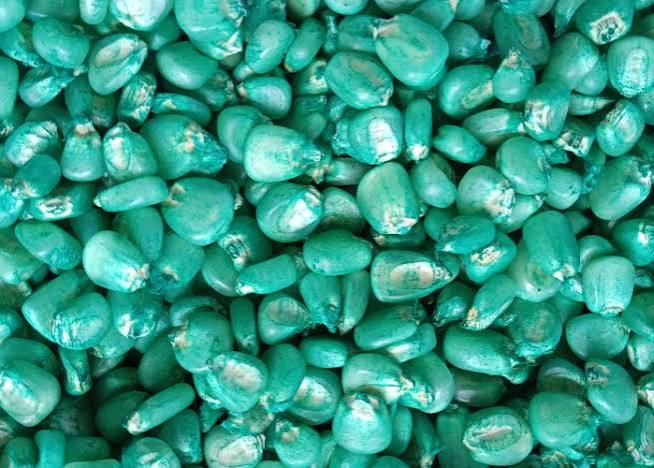
Dr Makoni advised farmers to watch for packaging irregularities, spelling errors, flawed logos, unusual seed-treatment colours, missing authentication features and abnormally low prices.
“Farmers watch out for fake seed, usually purchased cheaply from unreliable sources. Though cheap, the cost of fake seed lasts a whole season,” he warned.
He added that while ZSA members have adequate stocks for the 2026/2027 season, planting fake or unsuitable varieties under rain-fed conditions severely undermines yields.
Authorities urged the public to report suspected counterfeit seed dealers to the nearest police station, the ZRP National Complaints Desk (0242 703 631 / WhatsApp 0712 800 197), or the Seed Services Inspectorate (0242 709 712, 0242 791 223, 0773 647 277 or 0772 650 327).