Online Reporter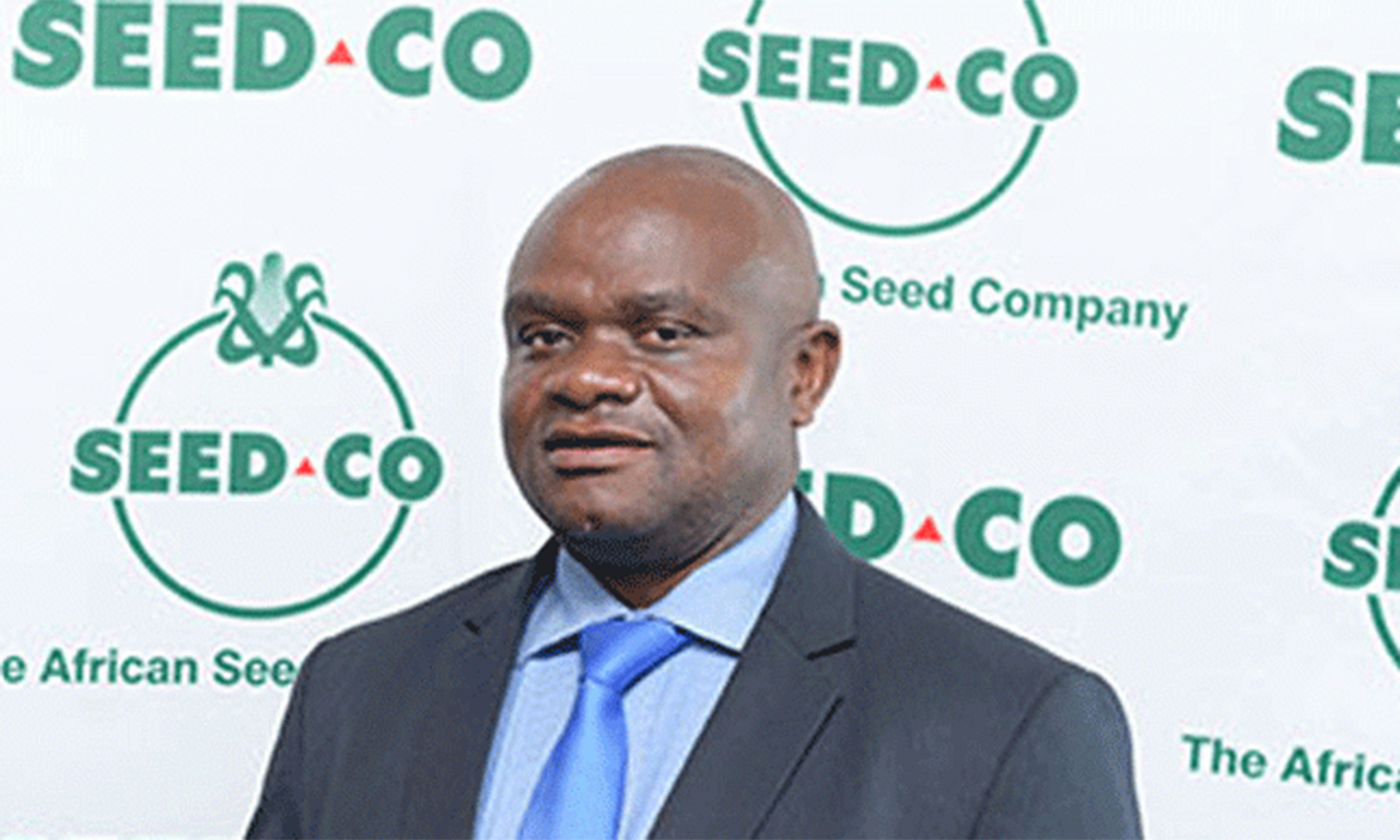
Precious Manomano
Herald Reporter
SEED Co Group has intensified investments in irrigation, seed processing infrastructure and research as it prepares to ensure adequate seed supplies for farmers across the region ahead of the forecast 2026/27 El Niño season.
Speaking during a joint analyst briefing, Seed Co Group chief executive officer Mr Morgan Nzwere said the company was positioning itself to withstand increasingly erratic weather patterns while supporting Governments’ efforts to achieve food security.
He said climate change was becoming one of the biggest challenges facing agriculture, with Africa having experienced droughts in parts of East Africa and destructive floods in Southern Africa over the past year.
“This coming year there is a prediction of a Super El Niño across parts of the region and we are seeing climate change issues becoming more and more pronounced.”
Mr Nzwere said the anticipated dry conditions had reinforced the need to build resilient seed production systems capable of supplying farmers with suitable varieties on time.
To reduce dependence on rainfall, Seed Co has placed about 70 percent of its seed production under irrigation.
“Our production will be secure because most of it is now under irrigation. The challenge will be on the farmers’ side, particularly those who still depend on rain-fed agriculture, and we are already advising them on the most suitable early-maturing varieties for their areas.”
Mr Nzwere said the company had also invested heavily in seed processing technologies to shorten the time it takes to get seed onto the market.
The firm’s artificial seed drying facility in Zimbabwe processed nearly 9 000 tonnes of wet maize cobs during the latest production season, almost double its original design capacity of 5 000 tonnes.
He said the technology enables freshly harvested seed to be processed much faster instead of waiting for it to dry naturally, ensuring farmers receive seed earlier.
To strengthen regional supplies, Seed Co is finalising a new seed processing factory in Tanzania, which is expected to be commissioned within the next two months, while another facility is planned for Zambia.
“The biggest bottleneck has not been demand, but our ability to supply seed quickly enough. These investments will significantly improve our capacity to serve farmers across the region,” he said.
Mr Nzwere, however, expressed concern over the increasing sale of counterfeit seed, saying it was undermining farmers.