

 admin
admin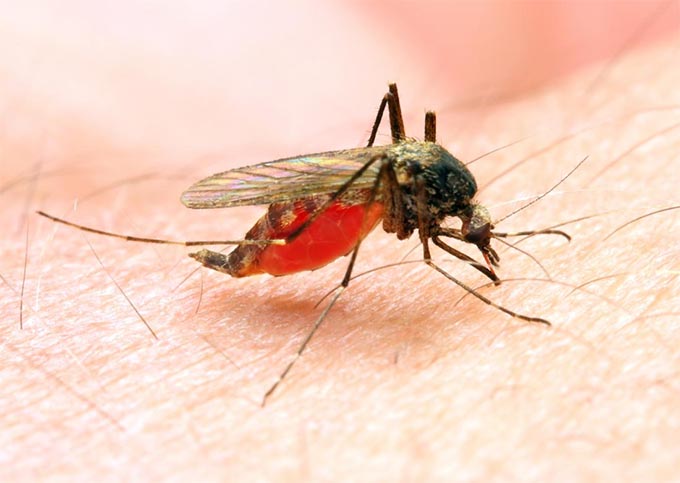
Sister Sibusiso Macheso
Health
MALARIA is a life-threatening disease caused by parasites from infected female anopheles mosquitoes which can affect people and other animals. It is preventable and curable.
Seeking medical help early when one suspects that they have malaria symptoms is very important to prevent the spread of malaria and its complications which can be fatal.
Mode of transmision
Microscopic malaria parasite are transmitted through mosquito bites from infected anopheles mosquitoes.
Rarely parasites can be transmitted through :
Organ transplant
Blood transfusion
Types of malaria parasites
There are four common types of malaria parasites :
Plasmodium vivax
Plasmodium ovale
Plasmodium malariae
Plasmodium Faliciparum — which causes most of the malaria death related cases in the world over.
Signs and symptoms of malaria
High fever.
Shaking chills that can range from moderate to severe.
Profuse sweating.
Headache
Abdominal pains
Muscle pain
Nausea and vomiting
Diarrhoea
Anaemia
Deep breathing respiratory distress
Convulsions
Coma
Fatigue
Rapid heart rate
Tests which are done in suspected cases of malaria
Detailed history taking is very important to detect and treat malaria cases early.
Body temperature checks . In cases of fever (temperature above 39.8 Degrees Celsius), malaria should be ruled out especially in children and pregnant women who are more vulnerable.
Rapid blood test can be done — results are out mostly between 2-15 minutes. Testing can be done at clinic level.
Blood slide smear can be collected for examination under a microscope at the laboratory for parasite.
A clinical diagnosis can be made based on the signs and symptoms but this can be subjective as some of the symptoms are common in other conditions
Treatment options
Seeking medical attention early when one has symptoms is very important to prevent complications.
Plenty of fluids are given orally or through the vein depending on the patient’s condition because malaria causes a lot of dehydration.
Anti-malarial medications are given such as coartemether or as prescribed by the doctor (depending on the type of malaria and severity of the patient’s condition)
Avoid caffeinated beverages as these worsen dehydration.
Complications of malaria
If not treated, malaria can cause complications such as :
Cerebral malaria (the individual presents with confusion and hallucinations)
Cerebral oedema ( swelling of the brain) or brain damage in some cases.
Difficulties in breathing caused by the accumulation of fluids in the lungs.
Malaria can cause kidney failure, liver failure or rupture of the spleen. Any of these conditions can be life-threatening.
Anaemia — malaria damages red blood cell which can result in anaemia.
Hypoglycaemia (very low blood sugar levels — which can also be due to side effects of medications and result in a coma or death.
Prevention of malaria
Wear long sleeved and long pants to minimise body exposure in malaria prone areas especially at dawn, dusk and at night.
Make use of mosquito sleeping nets (treated) in malaria endemic areas.
Apply mosquito creams or sprays.
Take prophylaxis medications before visiting the malaria prone area and after according to the advice of medical personnel. Pregnant women are encouraged to register early (within the 1st 3 months of pregnancy at the antenatal clinic so that they can be given prophylaxis medication.
Cover all the pits, get rid of any open water containers around the house which can provide breeding area for mosquitoes. Regular spraying fumigation of the households with insecticides.
SEEK MEDICAL HELP EARLY if you have any of the malaria symptoms to prevent malaria complications and the spread of malaria.


 Online Reporter