Online Reporter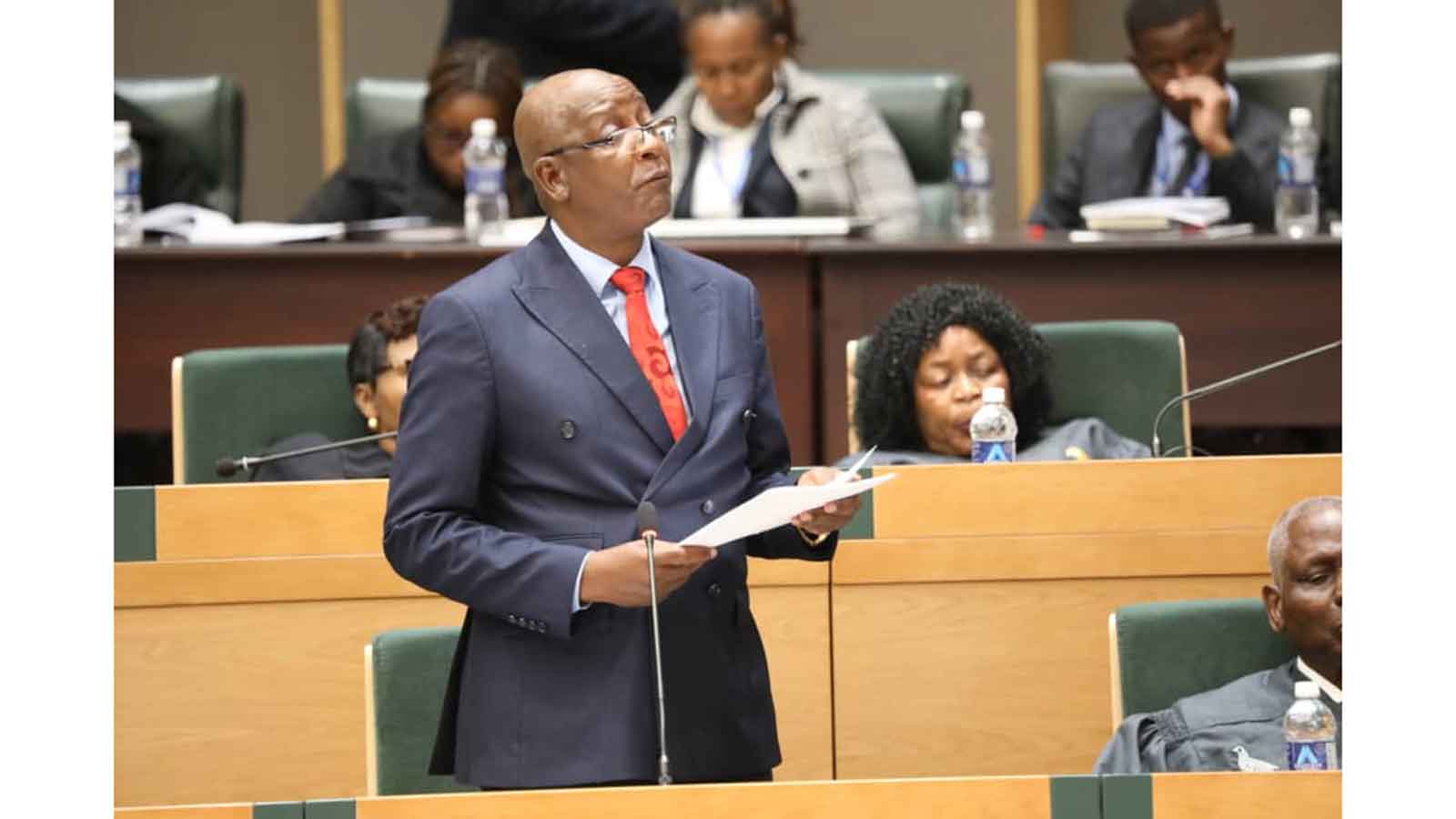
MacDenias Moyo
The passage of Constitutional Amendment Bill No.3 through the Senate, accompanied by six amendments, is not a procedural hiccup but a monumental affirmation of constitutional vigilance.
It is a reminder that our democracy is not a conveyor belt of unchecked motions, but a living organism that breathes through scrutiny, correction and refinement.
The recall of the National Assembly to deliberate upon these amendments before the Bill ascends to the President for assent is the embodiment of constitutional integrity in motion.
From the moment CAB3 was gazetted, it has walked a journey that mirrors the very essence of participatory democracy. It was published for public scrutiny, subjected to consultations across the breadth of the nation, debated in the National Assembly with the full weight of representation and then carried into the Senate where the Upper House exercised its solemn duty to refine and correct.
This journey is not linear, but layered, each stage a crucible of legitimacy, each debate bearing proof to the people’s sovereignty.
The Bill has endured the fire of public opinion, the rigour of parliamentary debate and now the vigilance of senatorial correction.
It is a journey that affirms that constitutional reform is not the imposition of power but the negotiation of collective wisdom.
Minister Ziyambi Ziyambi’s words after the Senate vote resonate with this truth. He spoke of robust debate, 50 voices in favour, 5 in dissent, 74 senators ultimately voting for the Bill. He declared that the Senate was no rubber stamp. It identified omissions, such as the procedure for the first sitting of Parliament after an election and insisted on consequential amendments.
This was not perfunctory oversight, but substantive guardianship. The Senate proved itself to be a vigilant custodian of constitutional order, refusing to allow gaps to pass uncorrected, insisting instead that the supreme law must be polished until it gleams with precision.
The philosophical meaning of this episode is profound. Sovereignty is not brute majoritarianism, but a covenant of correction. The Senate’s amendments remind us that constitutional law is a living covenant, not static text. The recall of the National Assembly is, therefore, not an inconvenience, but a pilgrimage back to the very premise of representation, where the elected must confront the refinements proposed by the guardians of legislative integrity. This is the dialectic of democracy, the dialogue between chambers, the conversation between representation and guardianship. It is the architecture of accountability, the choreography of constitutional order.
Politically, this moment silences cynics who claim Parliament is a conveyor belt of executive will. The Senate has shown independence, vigilance and courage. By refusing to rubber stamp, it has elevated the stature of our legislative process. The overwhelming vote in favour of the Bill after amendments demonstrates that consensus is possible when scrutiny is embraced. The National Assembly’s recall will further entrench legitimacy, for when both houses have debated and corrected, the President’s assent will not be perfunctory but the culmination of a process that honoured the Constitution.
Ideologically, this episode affirms the doctrine that constitutional reform must be participatory, layered and deliberate. The Senate’s corrections, the recall of the Assembly and the eventual assent by the President form a trinity of legitimacy.
Each step is indispensable, each chamber necessary, each vote a stone in the foundation of constitutional order. This is how a nation builds resilience against arbitrariness. This is how a people ensure that their supreme law is not the product of haste, but the fruit of collective wisdom.
Minister Ziyambi’s cadence carried triumph. He spoke of senators who identified omissions, of corrections made, of overwhelming support. His statement was not mere reportage. It was a declaration that our Parliament is alive, that it listens, that it corrects, that it refines. The Senate’s amendments are not blemishes but blessings, for they ensure that when the Bill becomes law, it will be a law tested, debated, corrected and embraced.
The recall of the National Assembly is a noble act. It is the Lower Chamber returning to its duty, not to rubber stamp but to deliberate upon the refinements of the Upper House. When the Assembly has debated and corrected and when the President has assented, the Constitution will be enriched not only by the content of the amendments but by the legitimacy of the process that birthed them. This is the triumph of a listening Parliament and a vigilant Senate. This is the meaning of constitutional vigilance. This is the power of democracy that refuses to be hollow, that insists on being hallowed.