Online Reporter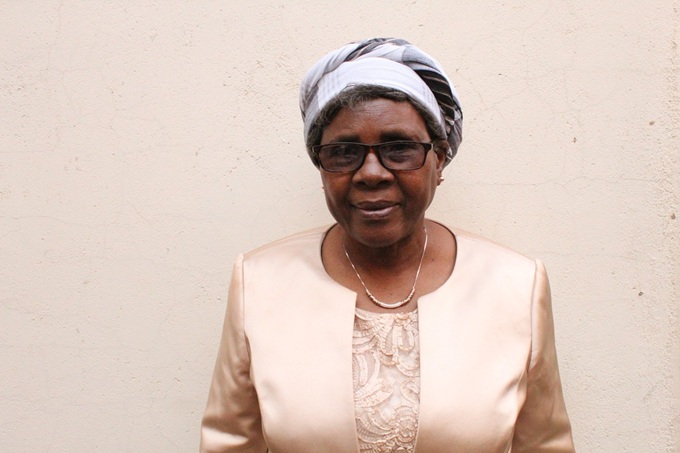
Sikhumbuzo Moyo, [email protected]
A Senator has urged Government to urgently craft a comprehensive national strategy to tackle dementia, warning that the condition is an escalating public health and social challenge in Zimbabwe.
Presenting the motion at the upper house on Tuesday, Senator Angeline Tongongara said dementia — including Alzheimer’s disease and related conditions — is no longer a peripheral concern but a defining health and developmental issue requiring coordinated national action.
Sen Tongongara described dementia as a progressive and debilitating syndrome that erodes memory, behaviour and the capacity for independent living, ultimately undermining human dignity and social participation.
The senator noted that the condition disproportionately affects older persons, particularly those aged 60 and above, with prevalence rising sharply with age. “Far from being a distant or abstract issue, it is an immediate and escalating reality, both globally and within Zimbabwe,” she said.
More than 55 million people are living with dementia worldwide, with nearly 10 million new cases recorded annually. In sub-Saharan Africa, an estimated 2.1 million people were living with the condition as of 2015, a figure projected to surge to about 7.6 million by 2050 due to demographic shifts such as increased life expectancy.
She said Zimbabwe must situate the growing burden of dementia within its constitutional obligations, pointing to provisions that guarantee access to healthcare and protect the rights of older persons.
Tongogara warned that the absence of a structured and coordinated national response is exposing vulnerable citizens to avoidable suffering, while also undermining the full realisation of their rights.
“In our national context, the implications of this growing burden are already unfolding, yet they remain largely obscured by limited public awareness, weak diagnostic capacity and the absence of a coordinated and deliberate policy response,” said Sen Tongongara.
She added that dementia in Zimbabwe remains under-recognised, under-diagnosed and widely misunderstood, often leading to stigma and inadequate care.
The senator called for decisive State action to ensure affected individuals receive appropriate care, dignity and protection, stressing the need for increased awareness, improved diagnostic systems and a comprehensive national strategy to address the condition.
“Studies constantly highlight that caregiving in such contexts is characterised by insignificant financial strain, emotional stress and inadequate support systems, with caregiving responsibilities often disproportionately falling on women. This over-reliance on informal care structures places immense psvchological, physical and economic,” said Sen Tongongara.
She said the situation is further compounded by demographic and epidemiological shifts that Zimbabwe can neither ignore nor postpone addressing adding that as life expectancy increases and the burden of non-communicable diseases continues to rise, the prevalence of age-related conditions such as dementia is expected to grow significantly.
“At the same time, traditional family-based care systems, which have historically absorbed the burden of care, are increasingly under strain due to changing social and economic dynamics,
Without timely coordination and forward-looking intervention, this convergence of factors will translate into an escalating public health challenge with far-reaching social and economic consequences. This, in turn, places unsustainable pressure on already constrained health and social protection systems,” said Sen Tongongara.