Online Reporter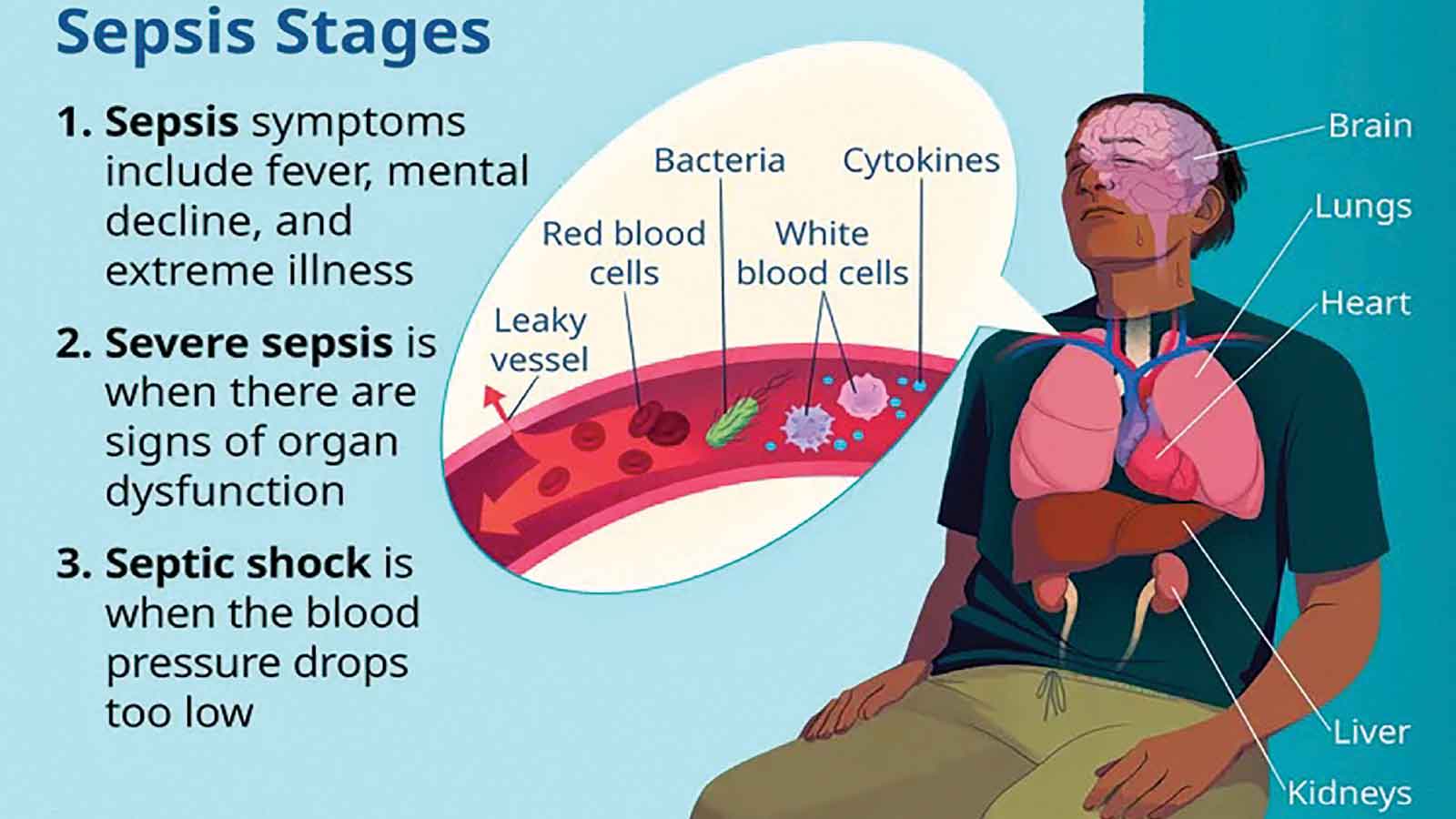
Rumbidzayi Zinyuke
Health Buzz
It may begin like an ordinary infection.
A fever that refuses to go down, a cough that worsens overnight, a wound that suddenly becomes painful, or a child who becomes unusually weak and difficult to wake.
For many families, these symptoms may not immediately signal danger. Yet within hours, the body can spiral into a life-threatening medical emergency known as sepsis; a condition that claims millions of lives every year but remains poorly understood.
Despite being one of the leading causes of death globally, sepsis is still overshadowed by diseases such as cancer, HIV and malaria.
Health experts say the condition kills silently because many people fail to recognise its symptoms early. Health systems in low-income countries often struggle with delayed diagnosis and treatment.
According to the World Health Organisation (WHO), sepsis affects nearly 49 million people worldwide each year and contributes to approximately 11 million deaths, representing about 20 percent of all global deaths.
Almost half of all cases occur in children under the age of five, making it a major contributor to child mortality, especially in low- and middle-income countries.
Sepsis occurs when the body’s response to an infection becomes extreme and begins attacking its own tissues and organs. Instead of fighting off infection in a controlled way, the immune system triggers widespread inflammation that can lead to organ failure, septic shock and death if not treated quickly.
Health experts say sepsis can develop from almost any infection, including pneumonia, urinary tract infections, diarrhoeal diseases, malaria, skin infections or complications during childbirth.
In countries like Zimbabwe, where infectious diseases remain common and access to advanced healthcare is sometimes limited, the burden is likely much higher than reported.
Although the country has limited data on sepsis, health professionals say the condition is encountered daily in hospitals, particularly in maternity wards, neonatal units and intensive care departments.
Maternal sepsis and neonatal sepsis continue to pose significant threats to mothers and newborns, especially in rural communities where access to clean water, sanitation and timely medical care can be difficult.
Globally, maternal and neonatal infections remain among the leading causes of preventable deaths. The WHO notes that sepsis is a major contributor to maternal mortality and newborn deaths, particularly in Africa where health systems are already strained by limited resources and disease outbreaks.
For Sub Saharan countries, the challenge is compounded by the burden of diseases such as HIV, tuberculosis and malaria, all of which increase the risk of severe infections progressing into sepsis.
Patients with weakened immune systems are particularly vulnerable, while overcrowded hospitals and shortages of medical supplies can make infection prevention more difficult.
Experts also warn that the rise of antimicrobial resistance is making sepsis more dangerous. Antibiotics that once treated infections effectively are increasingly losing their power as bacteria become resistant to treatment.
The WHO estimates that nearly 5 million deaths globally were associated with antimicrobial resistance in 2019, with sepsis among the major complications linked to drug-resistant infections.
In many cases, sepsis develops rapidly. A patient who appears stable in the morning may deteriorate dramatically by evening. This is why awareness is critical.
Common symptoms include high fever, shivering, difficulty breathing, confusion, rapid heartbeat, severe pain, extreme weakness and reduced urine output.
In children, symptoms may include difficulties in feeding, convulsions, fast breathing and lethargy. However, because these signs can resemble common illnesses such as flu or malaria, many patients delay seeking treatment until the condition becomes critical.
The lack of public awareness remains one of the biggest obstacles in combating sepsis. Surveys have shown that more than 80 percent of people do not know the warning signs of the condition despite its high death toll. It is believed that awareness levels are even lower in developing countries.
Many patients only arrive at hospital when complications have already advanced. Long distances to clinics, transport challenges and financial constraints often delay treatment. Rural health facilities may also lack diagnostic equipment and laboratory support needed to quickly identify severe infections.
Sepsis is also closely linked to broader public health issues such as water and sanitation. Outbreaks of cholera, typhoid and diarrhoeal diseases increase the risk of severe infections, particularly among children.
Across Africa, recurrent disease outbreaks driven by poor sanitation, unsafe water and climate-related disasters continue to expose communities to infections that can lead to sepsis if untreated.
Prevention remains one of the most effective tools against sepsis.
Good hygiene, vaccination, early treatment of infections, safe childbirth practices and infection control in hospitals can significantly reduce the risk.
Simple measures such as handwashing, proper wound care and seeking medical attention early for persistent infections can save lives.
Health facilities are also encouraged to strengthen infection prevention systems, improve sterilisation procedures and ensure responsible use of antibiotics to reduce resistance.
Globally, there is growing momentum to prioritise sepsis within healthcare systems.
The WHO and the Global Sepsis Alliance have been pushing for stronger awareness campaigns, better data collection and improved access to emergency care.
In 2024, health leaders launched the Global Agenda for Sepsis 2030, aimed at reducing preventable deaths through stronger prevention, diagnosis and treatment strategies.
For Zimbabwe, experts say investing in primary healthcare and strengthening emergency response systems could help reduce deaths linked to sepsis.
Expanding laboratory services, improving maternal healthcare, increasing intensive care capacity and ensuring consistent access to antibiotics are also essential steps.
There is also a growing call for public education campaigns to help communities recognise the symptoms early. Health professionals argue that many deaths occur not because sepsis cannot be treated, but because treatment often comes too late.
As the world continues to battle infectious diseases, antimicrobial resistance and emerging outbreaks, sepsis remains a hidden crisis demanding urgent attention. It is a condition that cuts across all ages and diseases, affecting newborns, mothers, accident victims, surgical patients and people recovering from common infections.
The tragedy is that many of these deaths are preventable.
Raising awareness, strengthening healthcare systems and ensuring early treatment could mean the difference between life and death for millions of people worldwide.
Feedback: [email protected]