admin
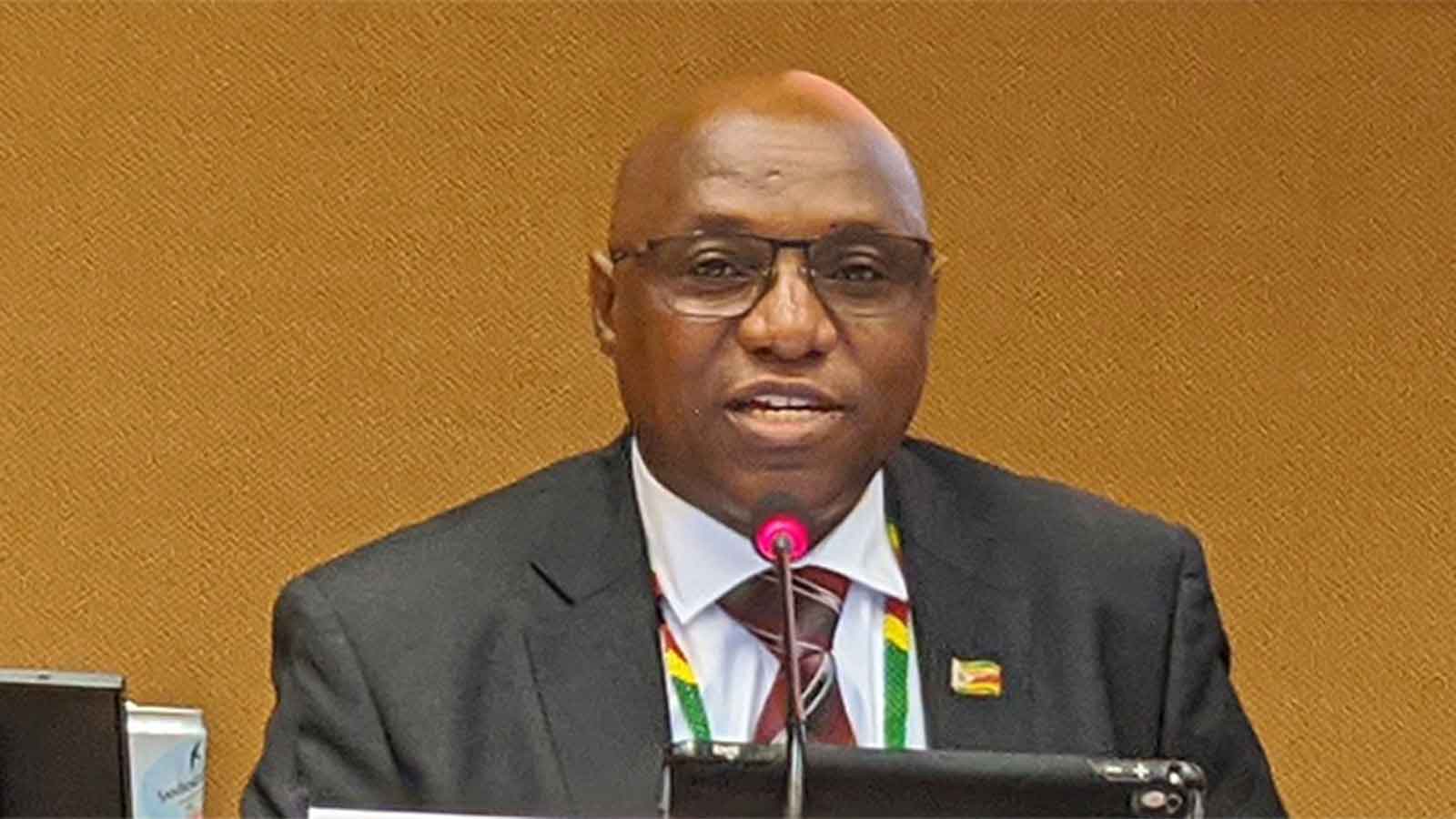
admin(AZ) on his experiences with this parliament.
FN: Mr Zvoma what were your experiences with this Parliament and what have you learnt?
AZ: My experience with the Seventh Parliament which emerged out the Harmonised Election in 2008 is rather a mixed experience. First it was not envisaged that Zimbabwe would have an outcome that we saw in 2008, an outcome that saw the country’s two major parties, that is Zanu-PF and MDC-T being neck and neck in both houses. In fact the difference between the two in terms of numbers after the election results for the House of Assembly was one tilted in favour on the MDC-T. And yet in the Senate the difference was six in favour of Zanu- PF. Whether you take the permutations of the numbers of the two MDC formations you would have a hung parliament.
FN: Did this affect the performance of Parliament?
AZ: There were no major differences between the Senate and the House of the Assembly. The performance did not really reflect the potential that we could have experienced. We saw elements of that tendency at the beginning in August 2008 when President Mugabe came to open Parliament when the members of the MDC T, backbenchers in an organised manner, started singing to frustrate the President in the delivery of his speech officially opening Parliament. But the disappointing feature of this is that when parties go into an election they are contesting for the seats and positions on offer but like in a football match when the referee brings the game to an end, contestants have to respect the outcome. I think that didn’t sink as reflected in the behaviour of the MDC-T at the time.
FN: On the role of Parliament how would you rate the Seventh Parliament?
AU: A lot of the time was occupied by the Copac business, particularly the outreach and follow-up programmes that had to be undertaken. The political environment also impacted in many ways either as the negative and the positive. In the negative you find out that the motions that were brought before the Parliament were more influenced by partisan thinking rather than national vision. As a result if researchers were to go into what the motions were intended to achieve one would find it very difficult to say there were motions that helped to improve the economy, development and programme of the Government. That is, however, inevitable in society where there is a serious contestation.
FN: Decisions had to be made in the House despite the fact that this was a hung Parliament how did you manage to instil order and ensure the House remained focused despite the political difference?
AU: The capacity building programmes that Parliament ran ensured that within the committee system by and large members across the political divide were able to operate within the terms of reference of these committees, that is portfolio in the House of Assembly and thematic committees in Senate. There were limited resources, so these committees could have done quite a lot but with the limited resources that were available they managed to come up with useful reports on various sectors of our economy. Portfolio committees shadow the work of ministries in cluster for example all ministries of education. Time to time we have had efforts by committees of trying to stray out of the terms of reference and not to recognise the respective roles of Parliament and the executive or the doctrine of separation of powers. So our capacity building programmes focused to some extent on the need to appreciate these respective roles, the need to appreciate the fact that Parliament does not seek to govern but to call those who govern, to account for the manner at which the executive act on public policy and programmes. They should play an oversight role, how we account for policies and accountability of resources, are there no pilferages. They are representatives of their constituency and their role is bring and point out issues by the electorate to the executive and that is the role of Parliament.
FN: And how did the parliamentarians perform in this session?
AZ: We don’t have a balance scorecard system for Members of Parliament as the administration because it is not our mandate to do so. The balance scorecard is kept by their constituency, the electorate. So the electorate have to wait until the expiry of the five years and that is when they can say we agree with you, you did so well we give you seven out of 10. That is expected to emerge from the exercise on July 31, 2013. So when we talk achievement and failures we mix them as achievements and challenges. We don’t see failures because we are not in the business of failing and passing people. We are in the business of facilitating Parliament to play its role that is its role of making the peace, order and governance of Zimbabwe as the current Constitution says.
FN: And, what was the worst moment of this Parliament?
AZ: The worst one was the motion to summarily fire the Clerk of Parliament without investigation and for no valid reason in violation of the provisions of the Constitution. It leaves a very bad image on Parliament but this was of course a partisan motion informed by perception that has nothing to do with reality on the ground. The other negatives or things that reflect badly on this Parliament, is that right from the beginning there was a lot of friction between the Speaker and the Clerk and as it emerged the Speaker had been given the wrong impression of the roles of the Speaker and the Clerk of Parliament which we were able to clarify as articulated in the Constitution, Standing Orders of the House, and in other regulations. This is the single Parliament with the highest number of ligation in the courts. From the election of the speaker, when the President fixed a new date for the election of a new Speaker on the advice of clerk pursuant to the Constitution, we have Chombo vs. Speaker and Parliament, even as we speak now the case that has not been resolved of the expulsion of members of MDC-M or MDCN formation. There are too many of them in the Seventh Parliament, we had never seen as high a number of court cases in other parliaments. So it is our hope and wish that future parliaments should try and avoid this.
FN: What were the major achievements of the Seventh Parliament?
AZ: I will remember this Parliament as it has given Zimbabwe its first home grown Constitution. As the administration of Parliament we made submissions and some were taken on board, pointed out irregularities and some were addressed.
So in life you don’t just experience the good things every time or bad all the time. We have the good and the not so good then you put it on the balance and you say if you were able to influence correction of the wrongs then that is what is more important. That is what I will remember this Parliament for. There were quite a number of things that we corrected even though it may have been in the negative way for example taking the House of Assembly to court. It is not so much just to defend my person but so that Parliament as the legislature will be in the forefront of respecting the rule of law. I will remember that not as a victory against the House of Assembly but as correction of the wrong that was about to be perpetuated or precedent that would have been set. In September last year we became the first parliament in the world to be certified under the International Organisation of Standards ISO 9001: 2008, that is a category of quality management system in service delivery system.
FN: We heard some frivolous contributions in Parliament from the likes of Honourable Femai, Dorcas Sibanda and Thabitha Khumalo. What calibre of candidates should voters elected to Parliament?
AZ: It is not the responsibility of the clerk. The clerk has no responsibility on deciding the criteria of choosing of candidates for Parliament. The electorate lost the opportunity when they were making the Constitution, they should have been made to say whether or not they want certain qualifications. May be it has nothing to do with qualifications. Education is an accident of opportunity. My playmate when I was young who did not have an opportunity to go to school could have been a professor. I only happen to have someone who could pay school fees for me and I applied myself to achieve these qualifications. There are others who are very intelligent but uneducated. So if someone says something that is meaningless, silly or stupid, if you want to call it, then you say they didn’t go to school. We must use something else other than the certificate. This is for the electorate to decide.
FN: What happens between now and the Eighth Parliament
AZ: Life goes on as normal. Administration carries on. The only difference is that the chamber will be empty until Parliament is summoned. This is what happens after every five years. It also happens when we break for Christmas.


 Online Reporter