Online Reporter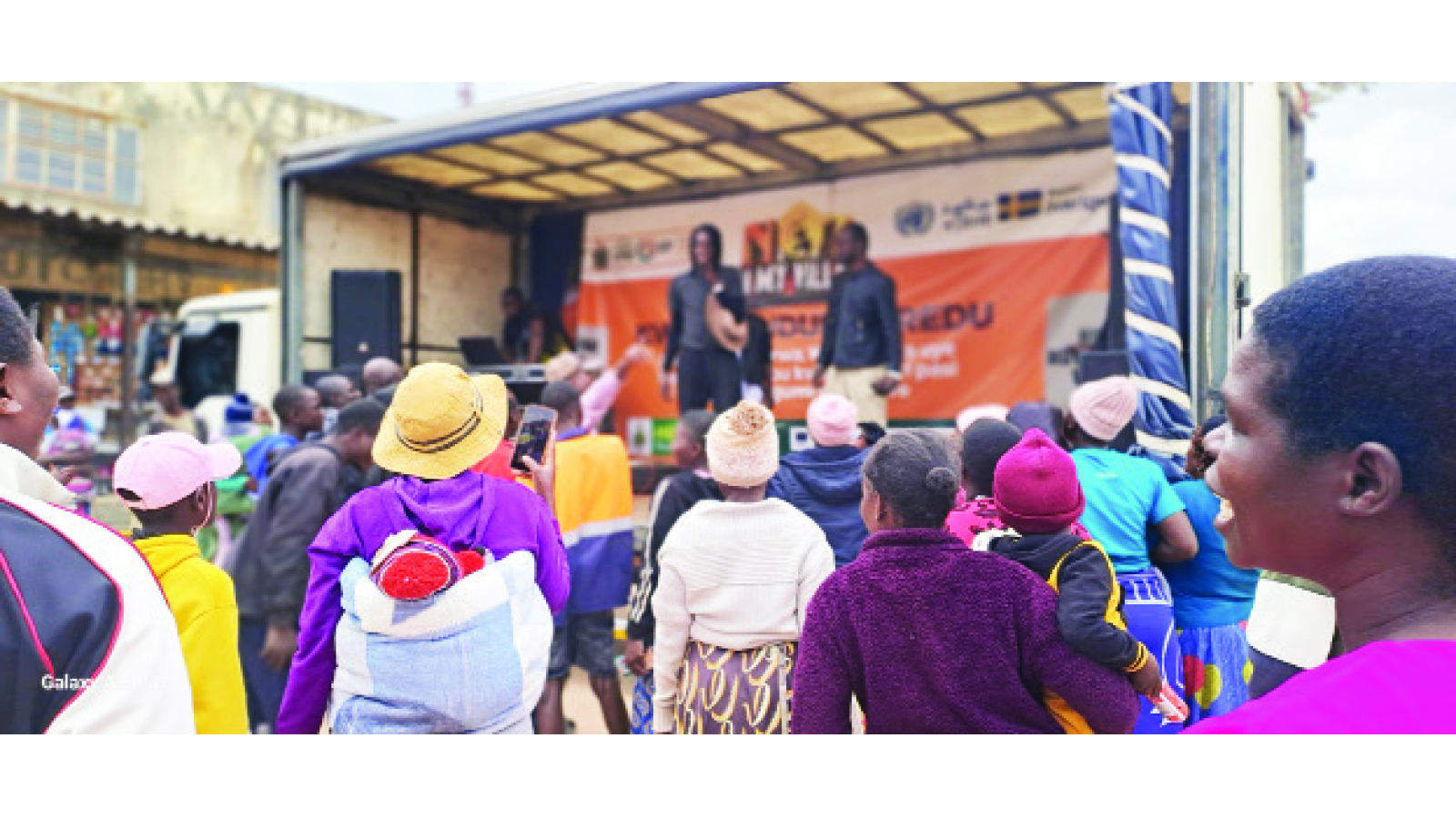
Fungai Lupande-Mashonaland Central Bureau
In Shamva, the dreams of too many girls are being cut short.
Behind the district’s gold-rich hills lies a harsh reality — teenage pregnancies, child marriages and gender-based violence are robbing children of their futures.
Between 2021 and 2024, more than 6 000 adolescent girls aged 15 to 19 sought antenatal care (ANC) services in the district.
Of these, 111 tested HIV positive, with a 2,3 percent positivity rate recorded in 2023 alone.
Even more disturbing, girls as young as 10 — some barely into adolescence — were among those booking for maternal health services.
In 2023, 58 girls aged 10 to 14 received ANC, all testing HIV negative, but their presence in maternity registers remains a stark sign of widespread child abuse and forced marriages.
Shamva Hospital recorded the highest number of teenage ANC bookings, followed by Jekwa, Nyamaropa and Katsukunya clinics.
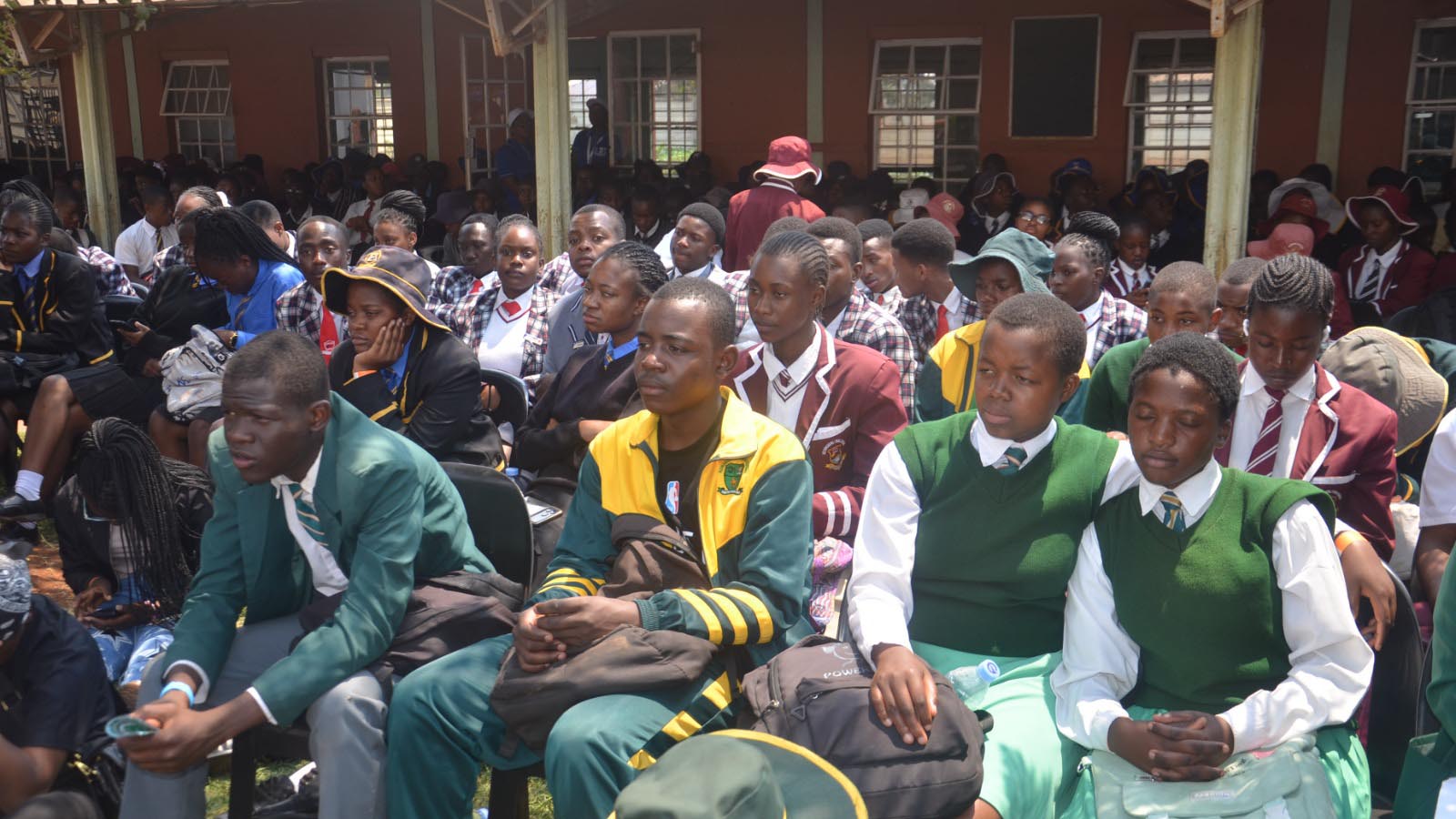
These are girls who should be in classrooms, not maternity wards.
A second chance
To address the crisis, the Campaign for Female Education (CAMFED) is complementing the Government’s school re-entry programme, giving teen mothers a path back to learning.
In 2023 alone, CAMFED provided school bursaries to 235 girls in Shamva; this year, another 209 have benefited.
The crisis, however, is rooted in more than poverty.
Shamva has one of the highest rates of gender-based violence (GBV) in Mashonaland Central, fuelled by entrenched patriarchy and harmful cultural norms.
In 2021, over 1 300 GBV cases were reported.
These figures only began to decline following the launch of the Start Awareness Support Action (SASA) programme and the introduction of protective by-laws by local Chiefs.
Now, the community is pushing back harder.
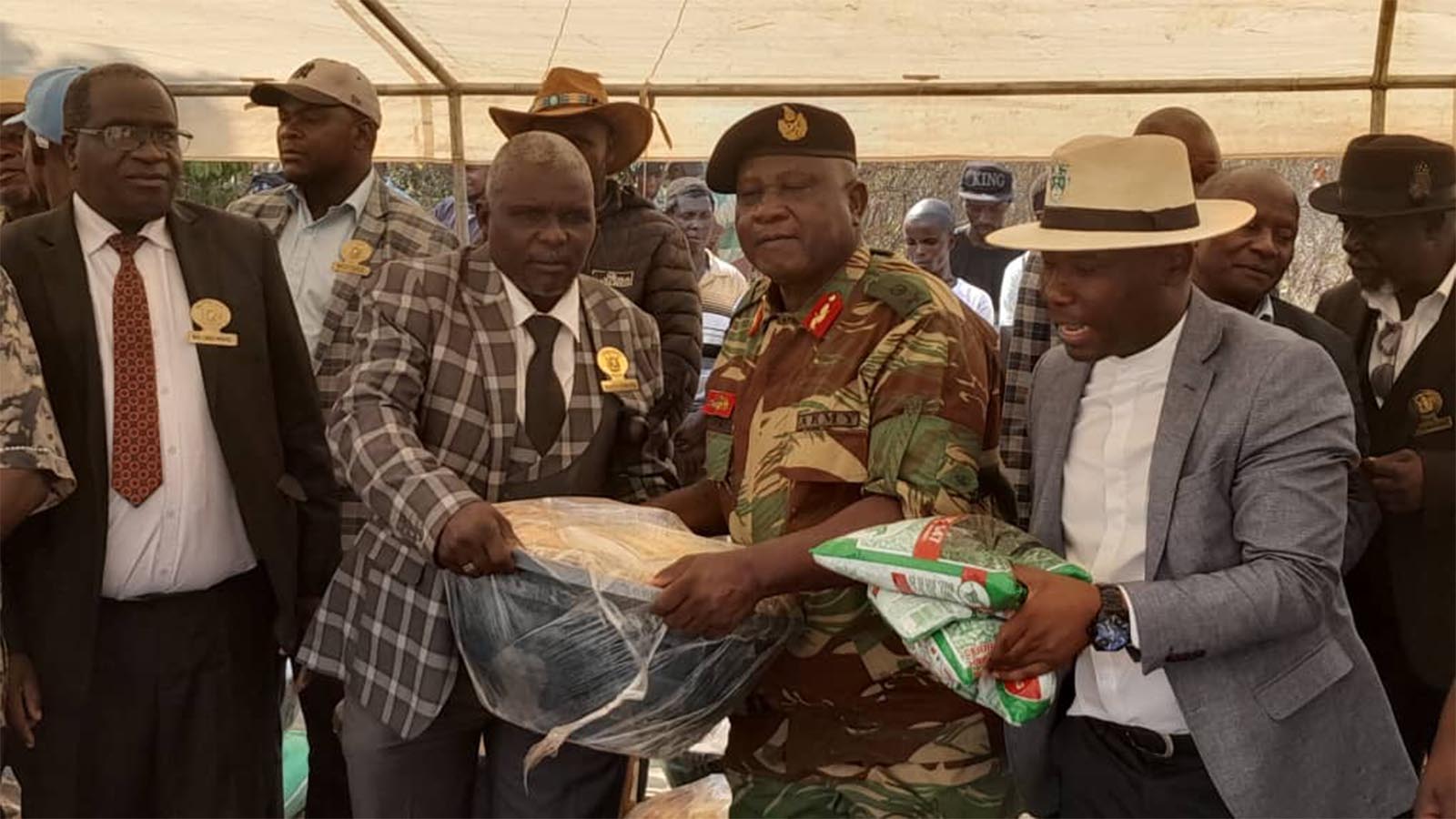
A bold initiative — Not In My Village — is uniting traditional leaders, the National AIDS Council (NAC), the Ministry of Women’s Affairs. Community, Small and Medium Enterprises Development and other partners joined hands in a campaign to end child marriages and teen pregnancies.
Chiefs, village heads and residents are mobilising to speak out against harmful traditions and to link young people to youth-friendly sexual and reproductive health (SRHR) and HIV services.
“We are challenging harmful traditional practices, raising awareness and ensuring young people get the support they need,” said district AIDS coordinator Mr Shepherd Zanamwe during a roadshow at Chakonda Growth Point.
“At the heart of the campaign is community mobilisation. From roadshows to village sensitisation meetings, the message is clear: the village must protect its daughters.”
Traditional leaders are taking unprecedented steps.
Chiefs Bushu, Nyamaropa and Mutumba have jointly crafted by-laws — backed by the local authority — that establish a compensation fund to help survivors return to school.
“Together with fellow Chiefs Nyamaropa and Mutumba, we crafted by-laws with support from the local authority,” said Chief Bushu.
“These by-laws include a compensation fund to help send affected girls back to school.”
As a result, signs of progress are emerging.
GBV cases fell from 1 080 in 2023 to 555 in 2024, and HIV prevalence dropped from 11,35 percent in 2020 to 8,43 percent in 2024.
Yet, as Chief Bushu warns, “The scars left on young girls who have experienced early motherhood or abuse remain raw.”
For Shamva District Development Officer Mrs Simbisayi Ndige, the fight is now personal.
“It’s about daughters, sisters and classmates,” she said.
“No girl in Shamva should be forced into womanhood before she is ready.”
In the second school term alone, she said, over 25 child marriages were recorded, many linked to artisanal miners in and around the town.
While some parents attempt to hide these cases, vigilant community members are increasingly reporting them.
The movement in Shamva is proving that when a community decides that “enough is enough,” silence can be broken, harmful traditions can be challenged and girls can be given back their futures.