Ashly Dhani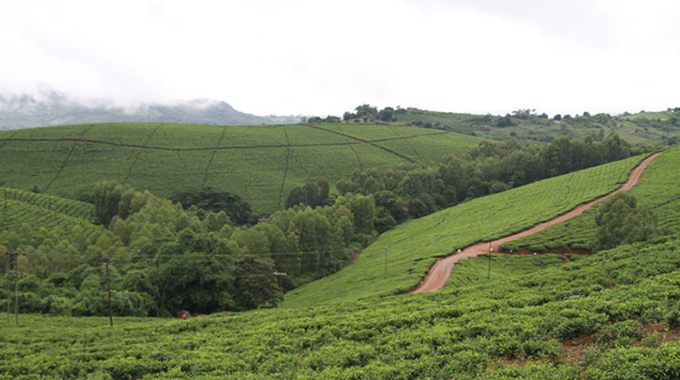

It would be remiss of me to look at the future of tourism, and how to shape the future of tourism, without looking at the problems that the industry is facing.
The travel and tourism industry in Zimbabwe faces many other challenges apart from the current Covid-19 lockdown-induced challenges.
Even before the onset of the lockdown, there had been several complaints against the domestic travel and tourism industry. Local consumers have accused the tourism sector of over-pricing, and they have argued that tourism authorities were not ensuring that prices were kept within reach.
Yet at the same time, the local tourism market has been encouraged to travel domestically – to have pride in their country and destinations.
The Zimbabwean tourism industry is operating in an environment that has the domestic market heavily battered and bruised. Whereas tourism is meant to be entertainment, it is very hard to go out and have a good party if you have a bruised ego.
But what has caused this lack of ownership of what is truly ours? Is it an identity crisis? Is it a question of affording, rather not affording? Or lack of knowledge that we have these jewels in our midst? Or that we just don’t love travelling and enjoying our countryside?
Zimbabwe tourism relies a great deal on International visitors. This means that a pandemic such as Covid-19 will leave the industry in the gutters. Zimbabwe has been through a number of difficulties, politically, economically and socially which have crippled the domestic market.
A while back the IMF reported that Zimbabwe has the second largest informal economy in the world. Approximately 70-85 percent of the working population are informally employed. The civil service makes up about 80 percent of the remaining 15 percent to 30 percent of the formally employed people.
The lowest paid civil servant is earning roughly $2 500. This leaves the majority of the people who should be travelling, living from hand-to-mouth.
Now in the wake of Covid-19, more informal jobs have been lost and those who were informally employed would have lost a month’s worth of income, removing travel for tourism as an option for them altogether.
Regardless of the state of the economy, domestic tourism has been quite difficult for Zimbabweans because of accessibility of the products. Not only are costs high but physical accessibility to the destinations is also difficult.
There are certain places that cannot be visited unless one has their own vehicle or arranged transport, sometimes that vehicle needs to be a 4×4 vehicle. Very few tourism-related public transportation systems are available to tourism destinations.
As a result, people who would want to travel then choose not to travel.
There is very little visibility of marketing and promotion of destinations locally. Most tourism organisations promote directly to their market and for a number of organisations, this market is mainly an international market.
Only the top destinations in the country are well known in a country that is branded a “World of Wonders”. So if you speak of tourism to an average Zimbabwean, what comes to mind is Victoria Falls, Kariba, Great Zimbabwe, Matopos, etc. That is the big names.
But that is not all Zimbabwe has to offer. Some marketing efforts have been made by individuals in their personal capacity on social media and even though it seems like it has made some impact, the sphere of influence is not diverse.
Particularly for people who are not on social platforms, for the greater part of the market is not reached. This gap has also crippled the effectiveness of the domestic market. Perhaps, too, tourism organisations need to think of diversifying the products and services on offer on the Zimbabwean tourism market.
Offer more entertainment that caters to all people, offer a variety of activities that cut across seasonality within the travel industry and in this instance, entertainment and activities that can withstand calamities of sorts.
Healing for tourism: Backyard tourism
Years ago, before travelling got a title and before the boom of transportation, people entertained themselves with activities that were available locally. Perhaps, as we wait to gain confidence in travelling far and wide, with borders going to remain shut for some time to come, let us look at what is in our backyards.
I am priviledged to have a back yard with more than one game park. One of the game parks is a rhino reserve. In addition to that, there is a national monument and the Anglican shrine where over 30 000 people gather every year.
Once in a while vintage car shows are held and there are countless fairs and farmers’ markets and concerts. What’s in your backyard? How much do you know about what is in your backyard?
So, though there are a multitude of problems, all hope is not lost.
A small community of people have started exploring opportunities of tourism in their local places.
Honde Valley Sightings and Marondera Sghtings are all initiatives to help people discover some of the non-conventional tourism facilities and activities closer to home.
The whole idea is to appreciate and uplift the local communities before stretching into the rest of the world. And when the world visits the communities, they will find a people who are proud of who they are and what they have.
I encourage everyone to look at their backyard and share the information, you will be amazed at the wealth of knowledge, history and culture right under your nose, that comes at little or no cost.
Happy Travelling Tomorrow!
Mazwi Shamu is a teacher and travel and tourism consultant and blogger. She can be reached on [email protected]


 Online Reporter