Online Reporter
Mbulelo Mpofu
WHILE many young people are still discovering their voices, Bulawayo-based author and medical student Shantell Ndlovu has chosen to use hers to confront some of society’s most difficult conversations, weaving together stories that challenge silence, inspire dialogue and celebrate the resilience of young Africans.
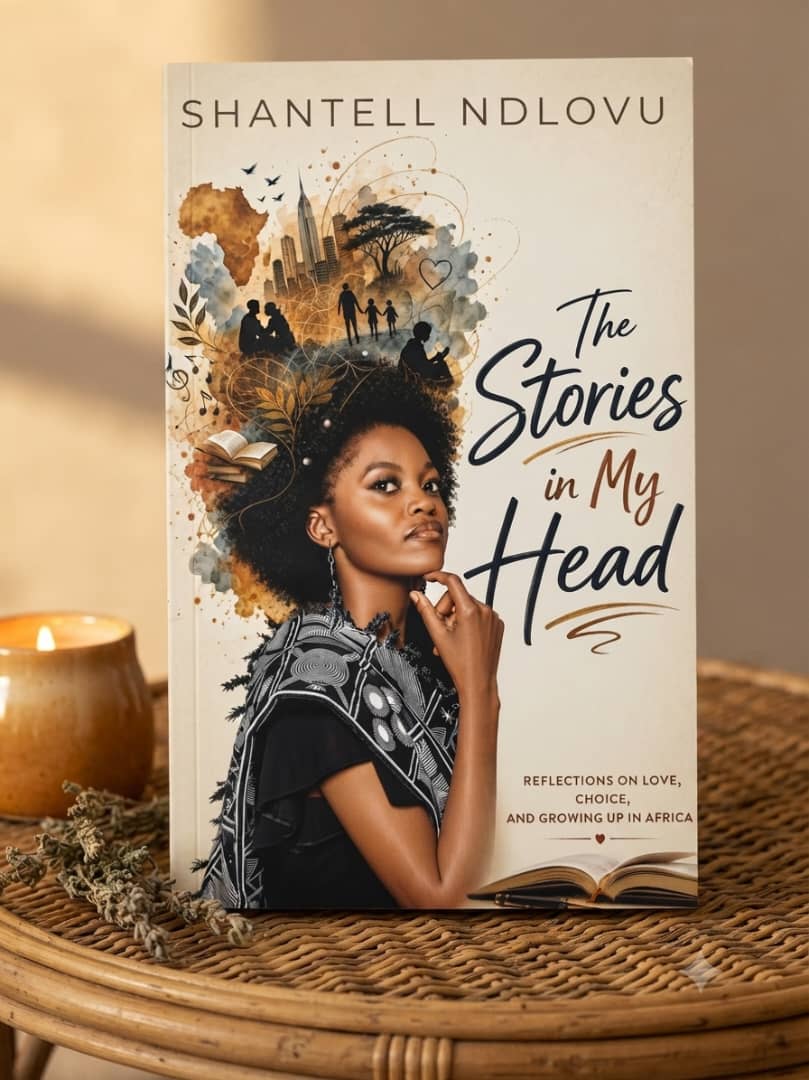
The Bulawayo-born writer will officially launch her debut book, “The Stories In My Head: Reflections on Love, Choices and Growing Up in Africa”, at a local cafeteria in Bulawayo today in what promises to be more than a conventional literary event. The launch has been designed as a platform for storytelling, community engagement and meaningful dialogue around issues affecting young people across Zimbabwe and the African continent.
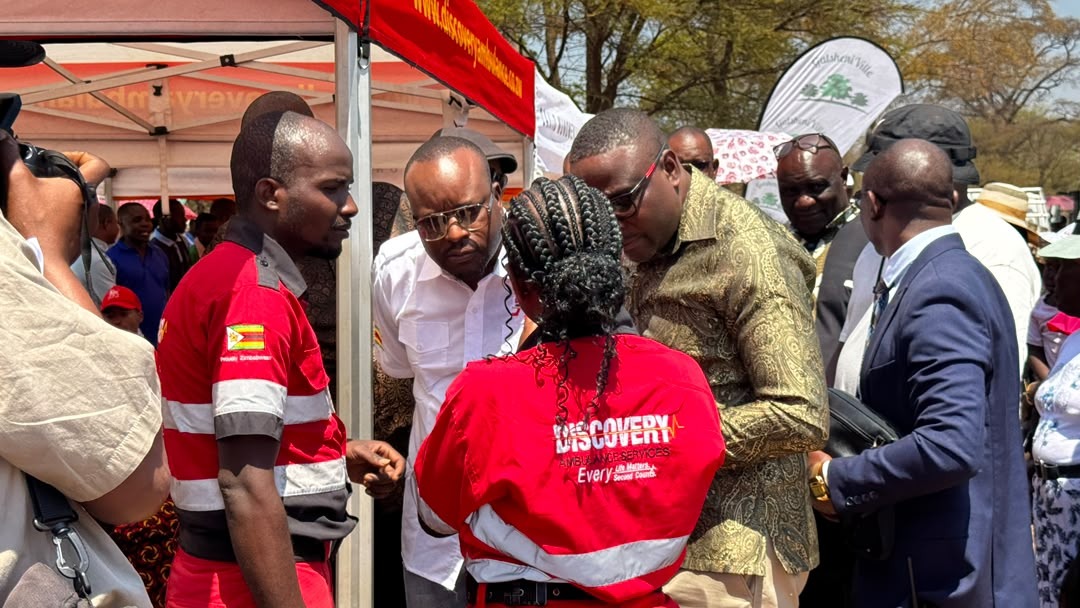
Among the invited guests are Deputy Minister of Industry and Commerce Raj Modi and human rights lawyer Prisca Dube.
Studying Medicine at Cavendish University, Zambia, Ndlovu previously served as junior chairperson of the Umguza Rural District Junior Council, experiences that exposed her to diverse communities and the realities confronting young Zimbabweans. She has travelled extensively across Zimbabwe, particularly throughout Matabeleland, where conversations with ordinary people became the foundation of her storytelling.
Her curiosity about people, culture and society has evolved into a body of work that seeks to amplify voices often overlooked. Through her book, she explores identity, mental health, child marriage, gender-based violence, teenage pregnancy, inclusivity, infidelity and other pressing social issues shaping the lives of young Africans.
At its heart, the collection follows the reflections of a young girl overwhelmed by the stories she hears from those around her – tales of heartbreak, failure, pain and regret that gradually shape her own fears about life and the future. Rather than allowing those narratives to imprison her, she begins writing them down, transforming fear into reflection and creating a space where difficult experiences can exist without dictating her destiny.
The result is a collection that reaches beyond fiction to mirror the lived realities of communities across Zimbabwe, particularly Matabeleland, while resonating with experiences shared throughout Africa.
Far from merely documenting social challenges, the book interrogates the environments that shape young people’s decisions. It challenges parents, churches, community leaders and policymakers to examine the roles they play in influencing the next generation, arguing that many youthful choices are inherited through observation, culture and circumstance rather than made in isolation.
For Ndlovu, literature has become an extension of her calling. While many might consider medicine and creative writing worlds apart, she sees them as complementary disciplines.
“People are often surprised that I’m a medical student who writes, but for me, the two complement each other. Medicine has taught me to understand the human body, while writing allows me to understand the human experience. The creative space is where I breathe. Being a medical student is what I do; it is not the entirety of who I am,” she said.
She credits her fascination with people and their lived experiences as the driving force behind her work.
“I’ve always been fascinated by people – their stories, their struggles, and the way they navigate life. Reading books such as Africa: Altered States, Ordinary Miracles by Richard Dowden, alongside works by Chimamanda Ngozi Adichie and Corinne Hoffmann, challenged me to look more closely at my own community.
“I realised that if others could tell stories about Africa that moved the world, then we, as Africans, also have a responsibility to tell our own stories from our own perspective.”
Growing up, she observed that many sensitive issues remained unspoken despite their prevalence.
“I also grew up in spaces where difficult conversations were often avoided. Topics like mental health, gender-based violence, child marriage, or identity were treated as uncomfortable subjects rather than realities affecting people’s lives.
“As a young woman, I’ve sometimes been dismissed because of my age, gender, or simply because I asked difficult questions. Writing became the platform where I could ask those questions without fear and give voice to people who often feel unseen or unheard.
“That is why, The Stories In My Head is not just a book. It is an invitation for us to have conversations we have avoided for far too long.”
Already, the book has begun crossing borders even before its official Zimbabwean launch. It has been selected for inclusion in the Prof Tjama Tjivikua Library at the Namibia University of Science and Technology (Nust).
“I feel honoured and incredibly grateful. It means my book has found a home beyond Zimbabwe and will now reach readers in Namibia as well. That is especially meaningful because the book includes the story of a young Namibian lady named Fikameni.
“It reminds me that African stories deserve to be told, shared, and celebrated across the continent.”
Looking ahead, the young author hopes the collection will spark conversations in homes, communities and government offices alike.
“My greatest hope is that readers see themselves in these stories. Many people carry their struggles in silence, pretending everything is fine because they fear judgment. I want readers to feel seen, heard, and understood. Sometimes healing begins when someone simply realises they are not alone.
“For parents, I hope this book encourages more honest conversations at home. Children should not have to seek understanding and validation from strangers because they cannot find it within their own families. For community leaders, I hope these stories encourage them to look beyond statistics and slogans. Issues such as drug and substance abuse, gender-based violence and mental health should never become normal simply because they are common.”
“For policymakers, I hope the stories remind them that every policy affects real people. Whether it is a young girl living with a disability in a rural community, a child affected by conflict, or a young person struggling with identity, these are not just numbers – they are lives,” she added.
Ultimately, she believes meaningful transformation lies in embracing the philosophy of Ubuntu.
“Ubuntu is more than a word we use to correct young people; it is a way of living. It means leading by example, treating others with dignity, and recognising that our humanity is connected. When parents, leaders, communities and young people all embrace that spirit, meaningful and lasting change becomes possible,” she said.
– Follow on X@MbuleloMpofu.