Online Reporter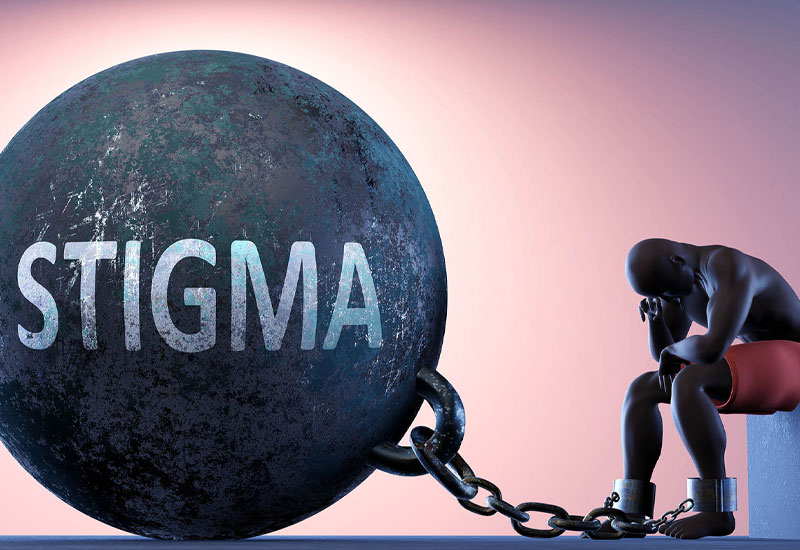
Sidumisile Mabena, Chronicle Reporter
THE issue of sexual orientation remains one of the most sensitive and polarising subjects in Zimbabwean society, with individuals identifying as bisexual and other sexual minorities often facing stigma, rejection and, in extreme cases, violence.
Despite global conversations around inclusion and human rights, many communities across the country continue to treat such identities as taboo, frequently invoking cultural and traditional values to justify exclusion.
Cultural commentators say this entrenched mindset has not only marginalised individuals but has also fractured families and communities.
Renowned cultural analyst Methembe Tshuma said while culture is an important pillar of identity, it should not be used as a tool for persecution.
“Culture is dynamic and evolves with time. The danger comes when people selectively use it to justify intolerance and violence. We must interrogate whether our practices promote humanity or diminish it,” he said.
Another social commentator, Winos Dube, said societal reactions to bisexuality often stem from fear and misinformation.
“People are quick to retreat into what they call ‘our culture’ without engaging in meaningful dialogue. This has created an environment where difference is punished instead of understood,” he said.
For some, the consequences have been devastating.
In Plumtree, a man identified as Norman Mlauzi reportedly vanished years ago after being targeted by members of his community following revelations about his bisexuality. His homestead was allegedly burnt down, and some villagers threatened to report him to authorities, forcing him into hiding. To date, his whereabouts remain unknown, a chilling reflection of the risks faced by those who dare to live openly.
In Bulawayo’s Magwegwe suburb, Kuda Nkomo’s life took a dramatic turn after he disclosed his sexual orientation. A long-time resident, Nkomo had been married to Ms Leaflet Tshuma for 12 years, and the couple had two children.
However, during the marriage, it emerged that Nkomo had been involved in a same-sex relationship with Nqobile Mpofu, a reality he initially kept hidden before eventually revealing the truth to his wife.
What followed was a wave of hostility.
Nkomo alleges that he became a target of his in-laws, particularly his brother-in-law, Mr Future Tshuma, an ex-convict with a history of violent criminal behaviour. Tshuma reportedly used his influence to evade lengthy prison sentences in the past, earning a reputation as a feared figure within the community.
Fearing for his life, Nkomo has since gone into hiding, but threats have reportedly persisted, with Tshuma vowing to “deal” with him.
Cases such as these highlight how deeply personal matters can escalate into public crises, with communities often taking matters into their own hands.
Human rights advocates warn that such actions not only violate individual freedoms but also create a climate of fear that discourages others from seeking help or living openly.
Sociologist Everisto Benyera said the intersection of culture, religion and law in Zimbabwe has made discussions around sexuality particularly complex.
“There is a need for honest national conversations. Families are being torn apart, and individuals are living double lives out of fear. This is not sustainable for any society that seeks progress,” he said.
Across the country, similar stories continue to emerge — of young people disowned by their families, individuals subjected to corrective violence, and others forced into silence to avoid persecution.
While some argue that maintaining cultural values is essential, others insist that growth and empathy are equally important in building a cohesive society.
As Zimbabwe continues to navigate its identity in a changing world, the question remains whether it can strike a balance between tradition and tolerance — or whether stigma and silence will continue to define the lives of many.