Online Reporter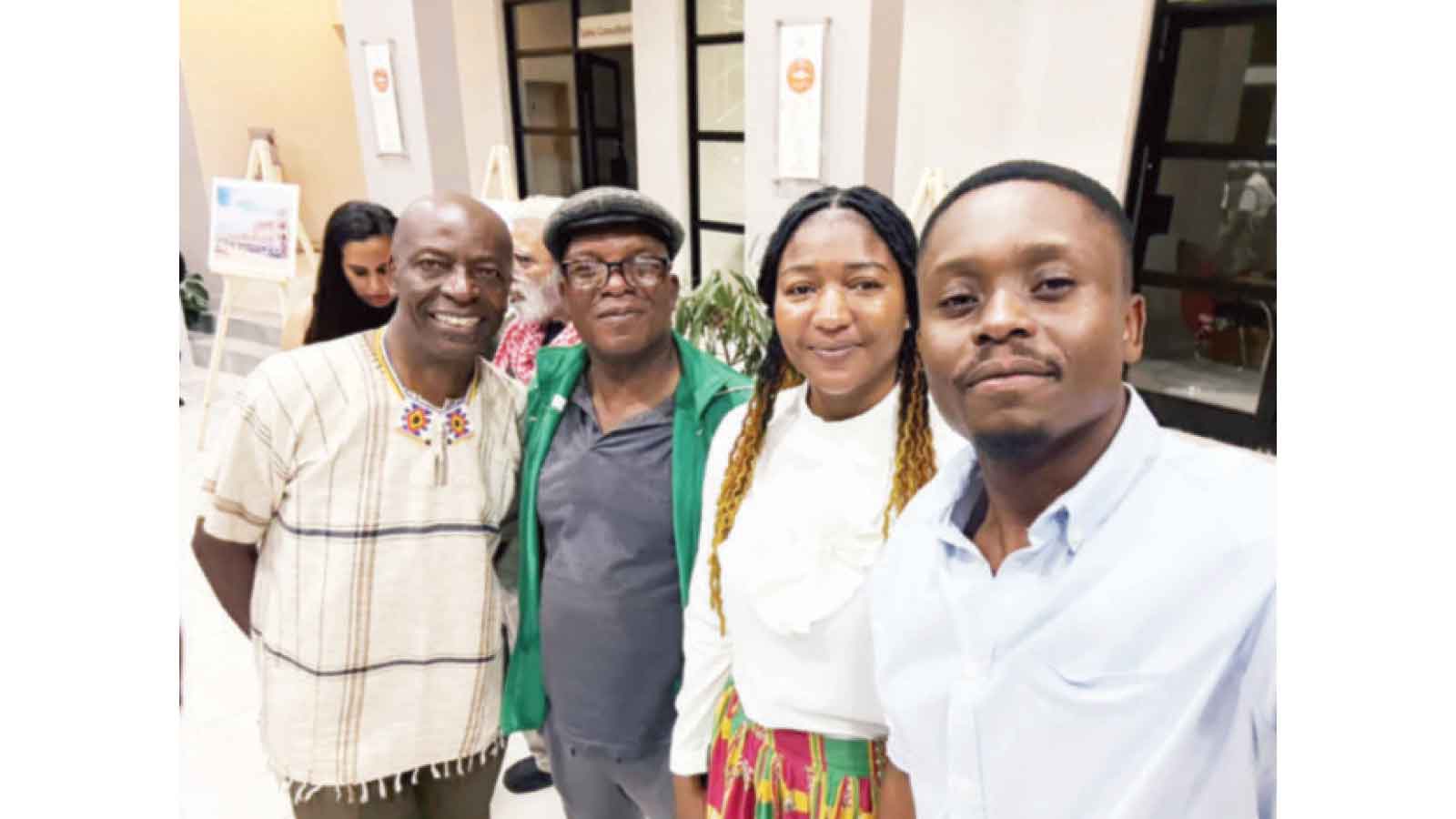
Trust Khosa-Zimpapers Arts and Entertainment Hub
IN a timely effort to preserve Zimbabwe’s rich architectural heritage, The Shepherds Foundation Trust, in partnership with Autoworld Zimbabwe, officially launched its mobile exhibition dubbed “Silent Walls” in Chisipite, Harare, last Friday.
The event, which attracted top officials from the arts regulatory sector, will culminate in a countrywide tour from February to October this year, promoting Zimbabwe’s architectural heritage.
In a statement, the exhibition was hailed for promoting Zimbabwe’s rich cultural heritage.
What has raised the appeal of the exhibition is that it will also promote cultural tourism and national development.
It comes at a time when cultural activists have been promoting the launch of a comprehensive historic book this year.
The book is expected to enlighten the younger generation about Zimbabwe’s heritage, which should be cherished for years to come.
The official opening lived up to expectations after it attracted top Government officials, diplomats, and arts regulatory chiefs.
Her Excellency Anna Farrou, the Greek Ambassador; Serbian Ambassador Mr Grujic; Diplomatic Spouses Association president Mrs Grujic; Deputy Minister of Sport, Arts and Culture Emily Jesaya; National Gallery of Zimbabwe curator Mr Raphael Chikukwa and Director of the Ministry of Sport, Arts and Culture Dr Biggie Samwanda graced the occasion.
Affable author Jonathan Waters, who delivered the keynote address, along with writer Chirikure Chirikure, visual artist Moffat Takadiwa, Lin Barrie and Davis Guzha, were also in attendance.
The Shepherds Foundation Trust director and photojournalist Darius Mutamba, whose two-year nationwide documentation journey captured more than 200 historically significant architectural sites across Zimbabwe, was also commended for its richness.
To ensure that the research benefits future generations, an upcoming national publication will be launched in November in collaboration with the Harare International Literature Festival, which is widely regarded as one of the most extensive architectural heritage documentations undertaken in the country.
Mutamba noted that “Silent Walls” was not only about preservation but also about national development.
“This project is a tool, a creative instrument for preserving memory while strengthening Zimbabwe’s cultural tourism,” he said.
“Architecture is one of the strongest storytellers of a nation. By documenting and reintroducing these spaces to the public, we are helping make heritage visible, accessible, and appealing to both local and international tourism communities. Culture, when properly documented and presented, becomes an engine for national identity, dialogue and economic opportunity.”
Curated by Rodney Badza, the travelling exhibition presents selected works from a much larger archive under development.
Badza described the exhibition as an awakening rather than a conclusion, designed to spark national awareness and dialogue ahead of the full publication and archive release.
Beyond the exhibition, “Silent Walls” continues to expand through a multi-platform approach that includes a three-part motion picture documentary currently in production.
The series will explore deeper historical and social narratives beyond what is captured in still imagery and is expected to air on local television while attracting international broadcast interest.
The initiative aligns with Zimbabwe’s National Development Strategy 1 (NDS1) and emerging NDS2 priorities, particularly in cultural heritage preservation, creative economy growth, national identity strengthening, knowledge documentation, and tourism development. By systematically documenting endangered architectural sites, the project contributes to safeguarding Zimbabwe’s cultural memory while enhancing the visibility of heritage as a national development resource.
The work also reflects principles consistent with UNESCO cultural heritage frameworks, particularly in documenting built heritage, promoting public engagement with history, and preserving cultural memory for future generations.
Mutamba described “Silent Walls” as the first phase of a broader long-term cultural preservation strategy led by the Shepherds Foundation Trust.
“This is part of a five-year vision,” he said. “In the years ahead, the Shepherds Foundation will expand similar national documentation projects into archaeology, ethnography, monuments, and natural history — areas that collectively form the foundation of our cultural identity but face gradual decay and erasure. Our goal is to build a living archive of Zimbabwe’s memory, one that preserves the past while informing the future.”
The statement further stated that the travelling exhibition begins its national journey, moving beyond a single exhibition into a growing cultural archive — one that documents, preserves, and reawakens Zimbabwe’s architectural memory while positioning heritage as both a cultural responsibility and a national development resource.
The project will culminate in November with the release of the national architectural publication and continued expansion through documentary storytelling, ensuring that the voices held within Zimbabwe’s silent walls are pre-served for generations to come. Local arts regulatory chiefs have been doing their best to preserve Zimbabwe’s rich architectural heritage sites.
What is encouraging is that big corporates like The Shepherds Foundation Trust and Autoworld Zimbabwe are pouring resources into promoting this campaign aimed at highlighting the country’s rich architectural heritage sites. By compiling this history, locals are set to benefit greatly, as they will be able to understand their history.
After all, their history will be told by locals, which is quite encouraging.