Online Reporter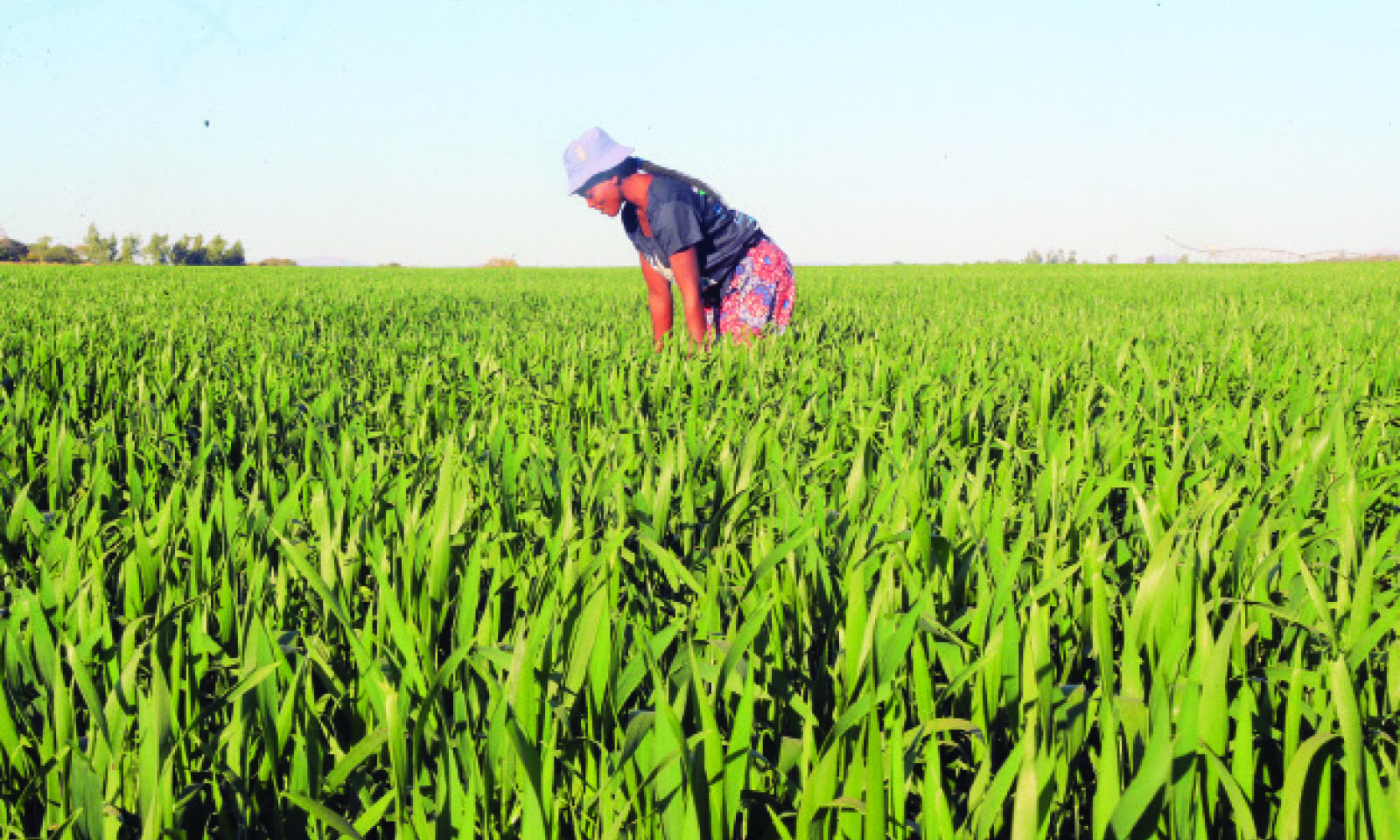
Tendai Gukutikwa
Mutare Bureau
UNDER the relentless winter sun, a quiet catastrophe is unfolding at Mutunha Dam.
The once-reliable water source that nourished Buhera’s breadbasket is slowly suffocating – and with it, the hopes of dozens of wheat farmers who depend on its life-giving flow.
At the 18-hectare Mutunha Irrigation Scheme, the evidence is everywhere: receding water lines exposing cracked mudflats, irrigation pumps sucking air, and farmers staring helplessly at wheat stalks already stunted by water stress.
Agricultural extension officer Everlast Kechemu confirms the grim math: where farmers once harvested 10 tonnes of wheat, this season’s yields may not even cover their input costs. The culprit? A creeping tide of silt that’s transforming the dam into a shallow bowl.
Season after season, unchecked erosion has funnelled sediment into the dam, steadily stealing its capacity. Where fish once swam, layers of silt now rise like a slow-acting poison.
“The wheat is doing well for now and it helps sustain livelihoods, but siltation remains a big challenge. If the dam dries up before the wheat reaches maturity, our yields will drop significantly,” Ms Kechemu said.
The siltation is largely being attributed to upstream land degradation and deforestation in the dam’s catchment area, resulting in heavy soil erosion during the rainy season.
Farmers say this is not just an environmental concern but a real threat to their food security and income.
Mr Job Mutunha, chairperson of the Mutunha Irrigation Scheme, said the situation has already reversed the gains they had made in previous years.
“We used to supply wheat to the Grain Marketing Board consistently. But now, with this siltation problem, everything has been affected.
“The water doesn’t last us through the season anymore. It’s becoming harder to keep up with irrigation schedules, and our crops are suffering,” he said.
He added that while the farmers were committed to wheat production, their efforts were being undermined by natural resource degradation that is beyond their control.
“This land feeds our families. We are not lazy, but we can’t grow anything without water. We need urgent desiltation of the dam, or else we risk losing everything we have worked for,” said Mr Mutunha.
Mrs Patience Garire, another farmer in the scheme, echoed the concern, saying the community is desperate for a lasting solution.
“We put so much effort into the wheat every year because we know its value. But every season, we worry about the dam drying up too soon. The water is not enough anymore because of the silt. Sometimes our fields get dry at the worst possible time,” she said.
Mrs Garire said the frustration among farmers is growing, and they feel neglected despite their contribution to national food security.
“We do not have the means to desilt the dam ourselves. We are just ordinary farmers trying to survive. We need help. This dam is our lifeline,” she pleaded.
Without timely intervention, farmers fear that wheat production in the area could become unsustainable.
The farmers are now appealing to relevant authorities and stakeholders to prioritise desiltation of Mutunha Dam before the situation deteriorates further.