Online Reporter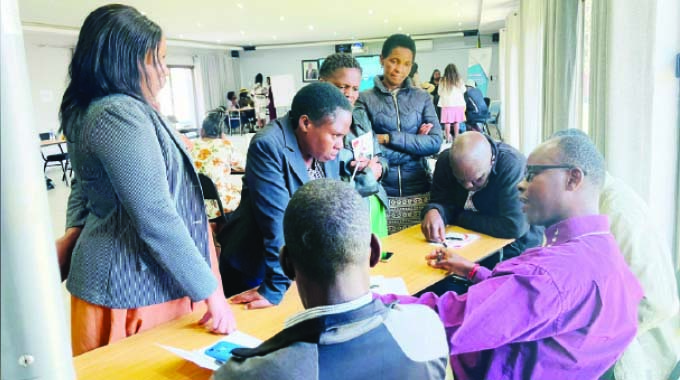
Trish Mukwazo, Sunday News Reporter
SINGLE mothers leaving abusive relationships often face societal stigma and judgment, making it difficult for them to rebuild their lives, according to participants at the Emthonjeni Women’s Forum (EWF) brown bag event that was held in Bulawayo last Wednesday.
The event, a platform for spotlighting efforts to combat Gender-Based Violence (GBV) in rural areas, brought together stakeholders, organisations and community members to discuss emerging trends, challenges and solutions in the fight against GBV.
Ms Buhle Dube from Ward 19, Umzingwane District, highlighted the challenges women face when returning to their maternal homes with children after escaping abusive relationships.
“Women who come out of abusive relationships with kids and return to their maternal homes often face stigma and judgment from society. In rural communities, instead of receiving support, you are seen as a woman who failed in her marriage,” she said.
This societal backlash, Ms Dube added, can deter women from leaving abusive situations due to fear of judgment, leaving them trapped in harmful environments.
The forum also explored the intersections of technology, climate-change displacement and GBV. The participants toured project structures that support young mothers, community counsellors, male champions and families, who shared their experiences and strategies for overcoming challenges in their work.
EWF executive director Ms Sikhathele Matambo, explained the forum’s dual approach to GBV.
“Our focus is both on preventive and responsive measures. This event brings together stakeholders to share and exchange information on our successes, challenges and gaps in the work,” she said.
EWF’s initiatives include promoting positive parenting, engaging community-based counsellors and male champions of change, and empowering young mothers to stand up for their rights.
During a panel discussion on innovative pathways to end GBV, programmes manager at Nkomwa Foundation Trust, Ms Monitor Ncube raised concerns about the prevalence of GBV in rural wards, particularly among people living with disabilities.
“Most cases go unreported because perpetrators are often caregivers, family members, or close relatives. Economic dependence also leaves people with disabilities vulnerable, as they often lack access to education and empowerment opportunities,” she said.
“Such cases often only come to light when a survivor seeks healthcare services for pregnancy or STIs. Our interventions have led to increased reporting and better access to justice for victims.”
The event concluded with stakeholders signing a commitment cloth, pledging to support efforts to combat GBV.
Speaking during the solidarity session, Bulawayo Progressive Residents Association (BPRA) gender officer Ms Abigail Siziba reaffirmed her organisation’s commitment.
“GBV is not a private tragedy; it’s a public crisis that affects everyone and deprives them of reaching their full potential. The recent case in Pumula, where a Grade 7 pupil was raped on her way to school, reminds us that gender-based violence affects our children and undermines their future,” she said.
“Every girl has the right to walk to school without fear, every human being has the right to live a life of dignity, and every community has a responsibility to protect its most vulnerable members.
“We commit to raising our voices and awareness against GBV, assisting victims, and challenging the barriers that perpetuate it.”