

 Chronicle Editor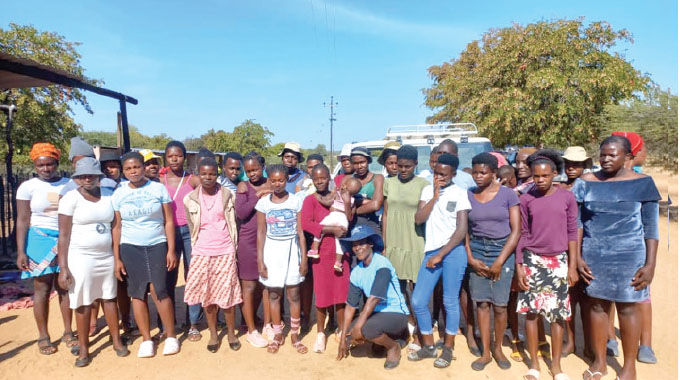
Sukulwenkosi Dube-Matutu, [email protected]
THE National Aids Council (NAC) is targetting to reach out to over 10 000 adolescent girls and young women in five districts in Matabeleland South, under its “Sister to Sister Programme,” which seeks to reduce HIV prevalence among vulnerable groups.
Districts that will be targeted include Beitbridge, Bulilima, Gwanda, Mangwe and Umzingwane.
The Sister to Sister Programme also seeks to ensure that young women are empowered as part of efforts to curb child marriages and teenage pregnancies.
Some of the topics being tackled during the trainings include HIV and Aids prevention, teenage pregnancies, gender-based violence, family planning and financial literacy. Mentors are selected within the communities to nurture a group of 50 girls and young women.
Speaking during a recent Matabeleland South Provincial Aids Action Committee meeting, NAC provincial manager, Mr Mgcini Sibanda, said they have adopted a devolved approach in the fight against HIV.

“Of concern is that all our districts in the province have a prevalence rate, which is beyond that of the nation. As a province we have received the highest amount for HIV related programmes,” he said.
“We are focusing more on a community-based HIV response, where we are saying we want to involve the community as much as possible, as well as the community leadership.
“One of the programmes that we will be intensifying is the Sister to Sister programme as we plan to reach out to more adolescent girls and young women. The mentor for each group is identified at community level by the traditional leadership.”
Mr Sibanda said the country had made significant progress in controlling the HIV epidemic, but there are some pockets of the population that are disproportionally affected. He said adolescent girls and young women aged between 10 and 24 are six times more at risk of contracting the virus and one of the contributing factors is vulnerability, which the Sister to Sister programme seeks to address.
“We want to address the issue of vulnerability through bringing programmes that will keep the girls and young women empowered. This will help to reduce the risk of them being desperate for resources to the extent that they have unprotected sex,” said Mr Sibanda.
“Some of the concerning issues are that stigma continues to show face within the community. There is late reporting of gender-based violence cases, which affects follow up and provision of health care services.”
He said the organisation is also involving the community leadership in other HIV related interventions such as the peer-led programme.
The Sister to Sister programme was introduced by NAC in 2006 and aims to reduce HIV prevalence among vulnerable groups aged between 10 and 24. Girls and young women have been equipped with knowledge about their sexual and reproductive rights.
The Sister to Sister programme also looks at what contributes to new HIV infections while also grouping the girls and young women into clubs, where they are taught about self-awareness, sexual reproductive health matters, financial acumen and family issues.
Vulnerable girls are recruited into clubs and taken through a 40 week session. Government through its relevant ministries, technical and financial partners give priority to issues of education, health and well-being of adolescent girls and young women.


 Online Reporter