Tendai Gukutikwa
Weekender Reporter
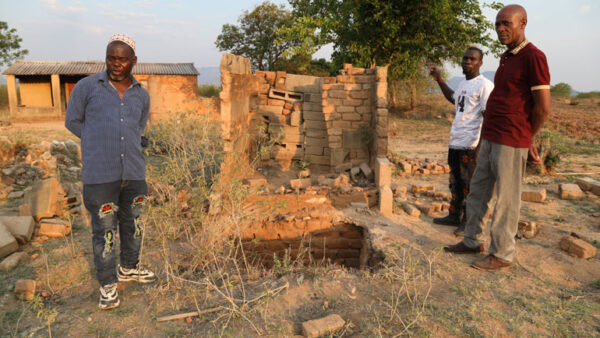
A WOMAN and her four children are enduring freezing winter nights on a Government building’s veranda after being allegedly evicted from their late parents’ homestead by her own brother.
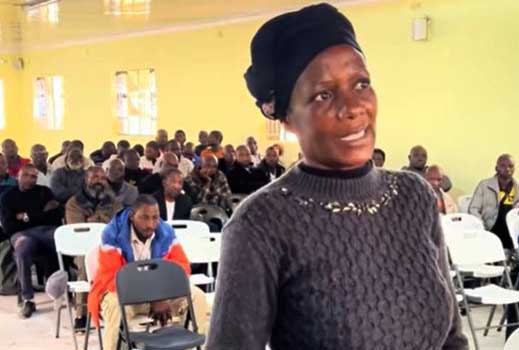
Pamela Matanga told Chief Mutasa’s community court that her brother, Trymore Matanga, accused her of dishonouring the family by “bringing boyfriends” onto the property — a claim she fiercely denies.
Pamela explained that she and her younger sister, Rutendo, returned to the homestead after their marriages collapsed, believing they had every right to seek refuge in their family home.
Using their own resources, the sisters built a house on the property, only to later face hostility from their brother and his wife, who forced them off the land.
Now, Pamela and her children are left exposed to the bitter cold, while the dispute over inheritance, morality, and family loyalty plays out in the chief’s court.
“My brother and his wife have become hostile towards us ever since we returned home after our marriages collapsed. We built our own house at our parents’ homestead and lived there peacefully. However, they later demanded that we leave, saying they no longer wanted us on the property. It now appears they want to take over the house we built ourselves,” said Pamela, adding that she had no alternative accommodation, and was now exposed to the vagaries of the winter weather her children.
“I am currently staying at the Government offices veranda because I have nowhere else to go. My children, my sister and I are exposed to the cold every night,” she said, further claiming that despite being daughters, she and her sister had cared for their elderly parents until their deaths.
“We looked after our parents when they were alive. Our brothers were away, and we were the ones who remained at home, and took responsibility for their care. We even handled our parents’ burials before our brothers returned,” she said.
Rutendo supported her sister’s testimony, insisting they had every right to remain at their parents’ homestead despite their brother’s objections.
“They are forcing us out of our own home even though we have nowhere else to go,” she said.
Rutendo acknowledged she was in a relationship and had a child with her partner, who occasionally stayed with her at the homestead.
“My partner sometimes stays with me at my parents’ home because we have a child together, but that should not be used as a reason to deny me my place at my family home,” she said.
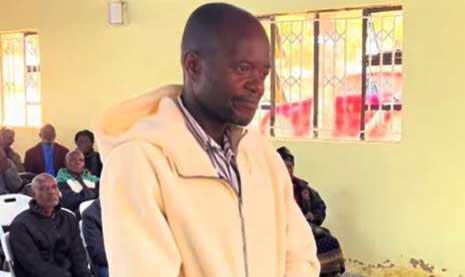
In his defence, Trymore argued that the sisters’ conduct had disrupted family harmony and justified his decision to ask them to leave. He accused them of bringing different men to the homestead, claiming some had stolen their property.
“We cannot continue living together under these circumstances. They regularly bring men to the homestead, and some of these visitors have allegedly stolen from us. One of my sisters is still legally married, yet her husband also comes to stay at the family home. We cannot be expected to provide land and accommodation for a brother-in-law,” he said.
Trymore further alleged that his sisters had repeatedly taken grievances to traditional courts and lodged complaints against their sisters-in-law, fuelling ongoing tensions. He claimed both sisters had previously lived with their husbands before returning home after marital disputes.
“The older sister left her marital home after disagreements linked to the younger sister’s behaviour. We believe their actions have brought conflict into the family,” he said.
However, Chief Mutasa ruled that the sisters could not be denied access to their late parents’ property solely because they are women or because their marriages had collapsed.
Addressing the siblings, the traditional leader emphasised that custom recognises the right of divorced daughters to return to their parents’ home.
“In our tradition, when a daughter’s marriage ends, she has every right to return to her parents’ home.
“If her parents are no longer alive, she remains entitled to live on their land. No one has the authority to chase her away,” said Chief Mutasa, further reminding Trymore that his sisters are entitled to benefit from their parents’ estate in the same way as him.
“You must not discriminate against your sisters simply because you are now married. They are entitled to the same rights and benefits from your parents’ estate as you are,” said Chief Mutasa, urging the family to resolve their differences amicably and avoid further conflict.
As part of his ruling, he directed Trymore to identify a suitable portion of land within their late father’s property where his sisters could establish their own homes.
“You should allocate your sisters a piece of land within your father’s homestead so they can build and live peacefully,” he said.