

 Online Reporter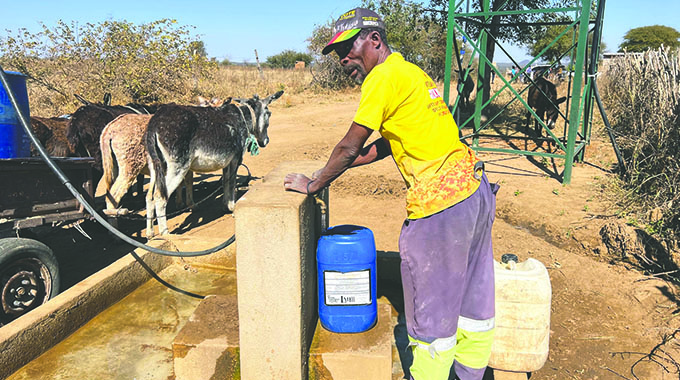
Sukulwenkosi Dube-Matutu, [email protected]
OVER 150 households in Sizalobuhle Village, Ward 9 of Insiza District, have received a lifeline through a new piped water scheme established after the rehabilitation of Wanezi Dam.
For years, villagers endured long hours at boreholes that often ran dry, while women and girls walked several kilometres in search of water. Livestock had to be driven for more than five kilometres to reach water sources, straining families already battling to make ends meet.
Now, thanks to the scheme, taps have been installed across the village, bringing clean water closer to homes.
Victoria Sibanda, a villager, described the development as life-changing.
“This piped water scheme has brought much relief. We used to spend hours queuing at boreholes that often ran dry, and walking long distances was exhausting,” she said.
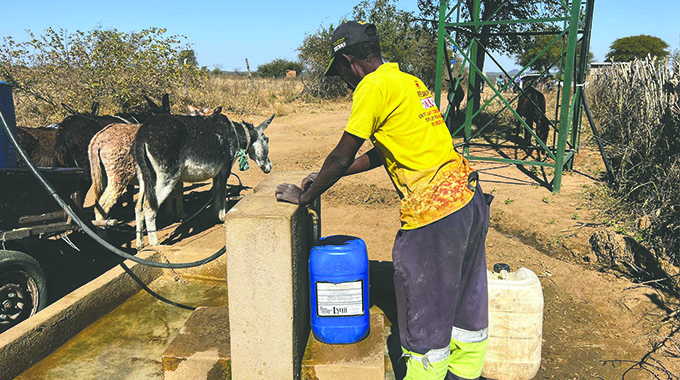
“Now, we can collect water from taps just a short distance away, and there are enough taps to serve the whole community. Our animals can also drink from the water points.”
Another villager, Alfred Siziba said the project would also open opportunities for horticulture.
“We already have an irrigation scheme, but with water now easily accessible, families can establish small gardens for vegetables and fruits. This will strengthen household food and nutrition security and also create income opportunities,” he said.
Ward 9 Councillor, Reason Msipha, said the scheme was a milestone in community development.
“Access to clean water is a basic right. The rehabilitation of Wanezi Dam has restored a key source of livelihood for our people,” he said.
“This kind of development is critical to the attainment of Vision 2030, as water drives productivity, economic growth and modernisation. Now people have taps within walking distance, which is life-changing.”
Wanezi Dam was constructed in 1952 and for decades served as a lifeline for communities in Insiza, supplying water for domestic use, livestock, and irrigation. Farmers depended on it for horticulture and small-scale commercial agriculture, which sustained household incomes.
However, in 2016, Cyclone Dineo caused extensive damage to the dam wall, crippling its ability to store and supply water. The disaster left communities in despair, forcing families back to relying on distant boreholes, streams and unsafe water sources.
The dam’s rehabilitation has been carried out under the Community Climate Adaptation Water and Energy Project (CAWEP), which also delivered the Wanezi Irrigation Scheme and the construction of the Wanezi River Bridge. The project is funded by the British Embassy and implemented by the United Nations Development Programme (UNDP) in collaboration with Government departments.
@DubeMatutu


 Bongani Ndlovu